Trump Says ‘I Only Like People Who Like Me’ in LeBron James Exchange
President Trump reignited his long-running feud with LeBron James, saying he ‘only likes people who like me’ during a July 24 exchange.
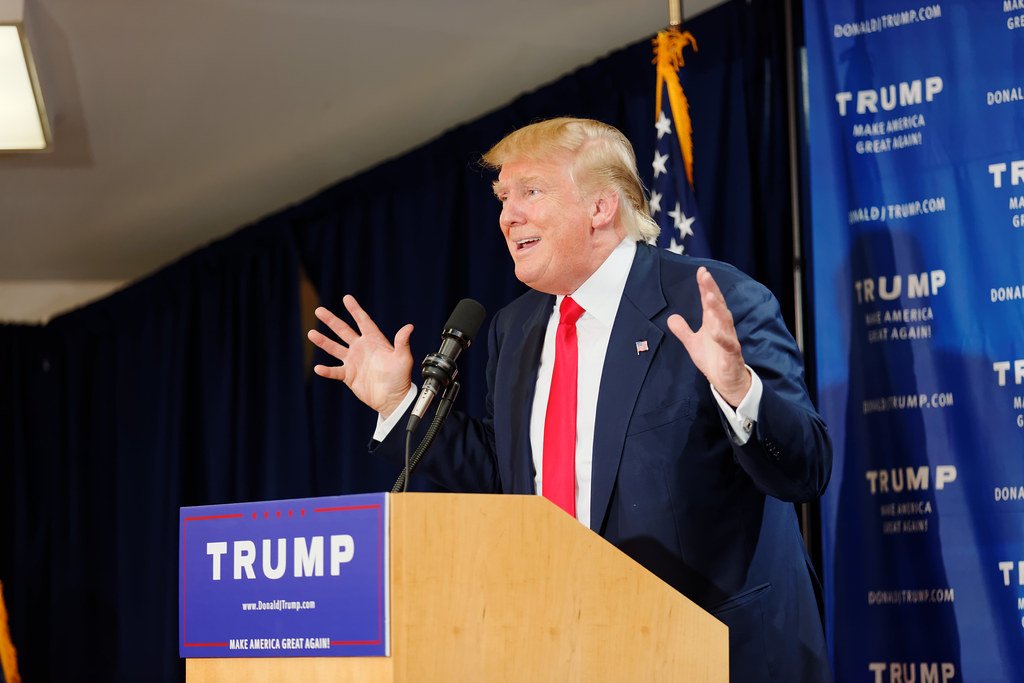
Michael Vadon/Flickr
On July 24, 2026, President Donald Trump made headlines once again by asserting he “only likes people who like me” during a discussion about NBA stars LeBron James and Michael Jordan. The remarks, made during a brief media exchange, underscored the ongoing public tension between Trump and James, who recently announced his intention to play a record 24th NBA season with the Philadelphia 76ers.
Trump Weighs in on LeBron James vs. Michael Jordan Debate
When asked by reporters about who he considered the better basketball player between LeBron James and Michael Jordan, Trump quickly turned the conversation from sports into a personal and political matter. According to reports from the Associated Press and Reuters, Trump described Jordan as “a friend of mine” and hinted at distrust toward James by saying, “maybe he’s a racist.” The president then added, “I only like people that like me,” before choosing Jordan as the superior player. This interaction took place shortly after James announced he would continue his NBA career for a 24th season, breaking records and defying retirement expectations.
The Intersection of Sports, Politics, and Personal Rivalry
Trump’s remarks are not isolated but rather a continuation of a nearly decade-long public rivalry with LeBron James. The feud has intertwined sports performance with political views and personal grievances. James has been openly critical of Trump’s policies and rhetoric, endorsing Democratic candidates in multiple elections, including Joe Biden in 2020 and Kamala Harris in 2024. Trump, in turn, has repeatedly attacked James on social media and in interviews, often focusing on personal insults rather than basketball achievements.
This latest exchange highlights how sports figures like James increasingly serve as focal points in national political discourse, with athletes’ stances often sparking heated responses from political leaders. Trump’s comments emphasize loyalty as a key factor in his judgments, rather than athletic merit or statistics.
Philadelphia’s Role in the Ongoing Narrative
LeBron James’ decision to join the Philadelphia 76ers for the 2026-2027 NBA season adds a local angle to this national story. Philadelphia, a city steeped in basketball history, now becomes the backdrop for the latest chapter in the Trump-James saga. Though Trump’s criticism targeted James personally and not the team or the city, the remarks have drawn media attention to the 76ers and their new star player.
At the time of publication, there has been no official response from the Philadelphia 76ers organization or from LeBron James himself regarding Trump’s comments. The situation remains primarily a reputational and conversational issue rather than one affecting team operations or league decisions.
Media Coverage and Public Reaction
Major national outlets including Fox News, CNN, the Associated Press, and Reuters quickly disseminated Trump’s remarks, amplifying the story beyond a routine sports question. Video and text coverage circulated widely across media platforms, ensuring the exchange became part of the broader political and cultural conversation.
Public reactions have been mixed, reflecting the polarized nature of Trump’s presidency and James’ political activism. Supporters of Trump view his loyalty-based comments as straightforward, while critics see them as further evidence of the president’s divisive approach to public discourse.
This latest episode between Trump and LeBron James shows no signs of abating, as both figures remain prominent in their respective arenas. With James set to make history on the court this season and Trump continuing to wield influence in political circles, the intersection of sports and politics remains a defining feature of 2026’s public landscape.