Rep. Brandon Gill Supports Trump Order, Calls to ‘Clean House’ at Smithsonian
Rep. Brandon Gill backs President Trump’s executive order targeting ideological bias at the Smithsonian, urging leadership changes.
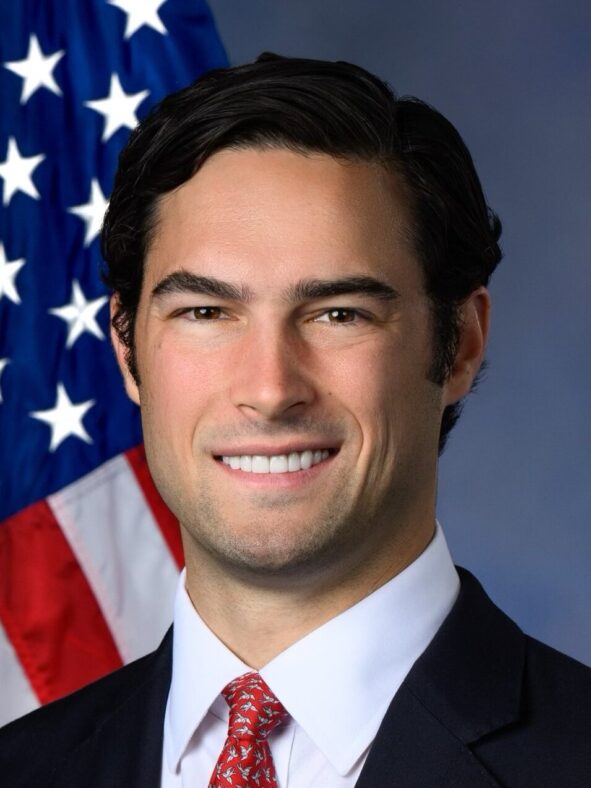
House Creative Services/Wikimedia Commons
Rep. Brandon Gill, a Republican from Texas, voiced strong support for President Donald Trump’s executive order aimed at addressing what the administration describes as ideological bias at the Smithsonian Institution. Speaking on Fox & Friends Weekend on July 25, 2026, Gill called for a complete overhaul of the Smithsonian’s leadership, including the firing of the National Museum of American History’s director, citing concerns over left-wing influence in the museum’s exhibits.
Trump’s Executive Order Targets Smithsonian’s Historical Narrative
On July 24, 2026, President Trump signed an executive order directing the installation of warning signs outside the Smithsonian’s National Museum of American History. These signs are intended to inform visitors about a White House report criticizing the museum’s portrayal of American history. The order mandates that the museum’s exhibits be renovated to align with the report’s findings and calls for temporary exhibits or signage to correct what the administration deems as inaccurate or politically motivated information.
The White House’s “Saving America’s Story” report claims the museum’s leadership does not treat American history as a shared national heritage but instead uses it as a tool to promote social justice and radical societal transformation. This executive action comes amid growing Republican criticism that the Smithsonian has become a platform for “woke” activism rather than objective historical education.
Rep. Gill Calls for an ‘Objective’ American History
During his Fox News appearance, Rep. Gill echoed the administration’s concerns, advocating for what he described as an unbiased and unified retelling of America’s past. He emphasized that history should not be framed through the lens of race, ethnicity, gender, sexuality, or immigration status, but rather as the story of one American people.
“We need an actual objective telling of American history, not looking back on the American story through the lens of division,” Gill said. “The American people want to see patriotism and American values reflected in the institutions funded by their tax dollars, not ideological agendas pushed on them or their children.”
Calls for Leadership Change at Smithsonian
Rep. Gill specifically targeted National Museum of American History Director Anthea Hartig, demanding her removal as part of a broader “clean house” effort. He argued that the American public is growing weary of taxpayer dollars supporting what he characterized as a political agenda rather than factual history.
“The American people are sick of seeing the left take control of iconic institutions like the Smithsonian,” Gill asserted. “They want a museum that promotes patriotism and American ideals, not woke nonsense. It’s time to clean house and restore trust in this institution.”
Director Hartig defended the museum’s approach during a House Oversight subcommittee hearing earlier in July, stating that the Smithsonian preserves and documents American life in all its complexity without taking political sides.
Local and National Reactions to the Controversy
The executive order and Rep. Gill’s comments have fueled a heated debate over the role of national museums in shaping public understanding of history. Supporters of the order argue that museums should present a unified, patriotic narrative that celebrates America’s founding principles. Critics warn that such mandates risk censoring important perspectives and oversimplifying the nation’s diverse history.
Fox News Digital reached out to the Smithsonian for comment but had not received a response as of July 26, 2026. The controversy continues to resonate both in Washington and among communities nationwide, including here in North Carolina, where debates over history and identity remain highly relevant.
As this story develops, it highlights ongoing national tensions over how American history is told and who gets to decide which stories are shared in public institutions.