Trump Stonewalls Iran as U.S. Doubles Oil Exports Through Persian Gulf Strait
President Trump resists negotiations with Iran while U.S. military safeguards record oil exports through the Persian Gulf in 2026.
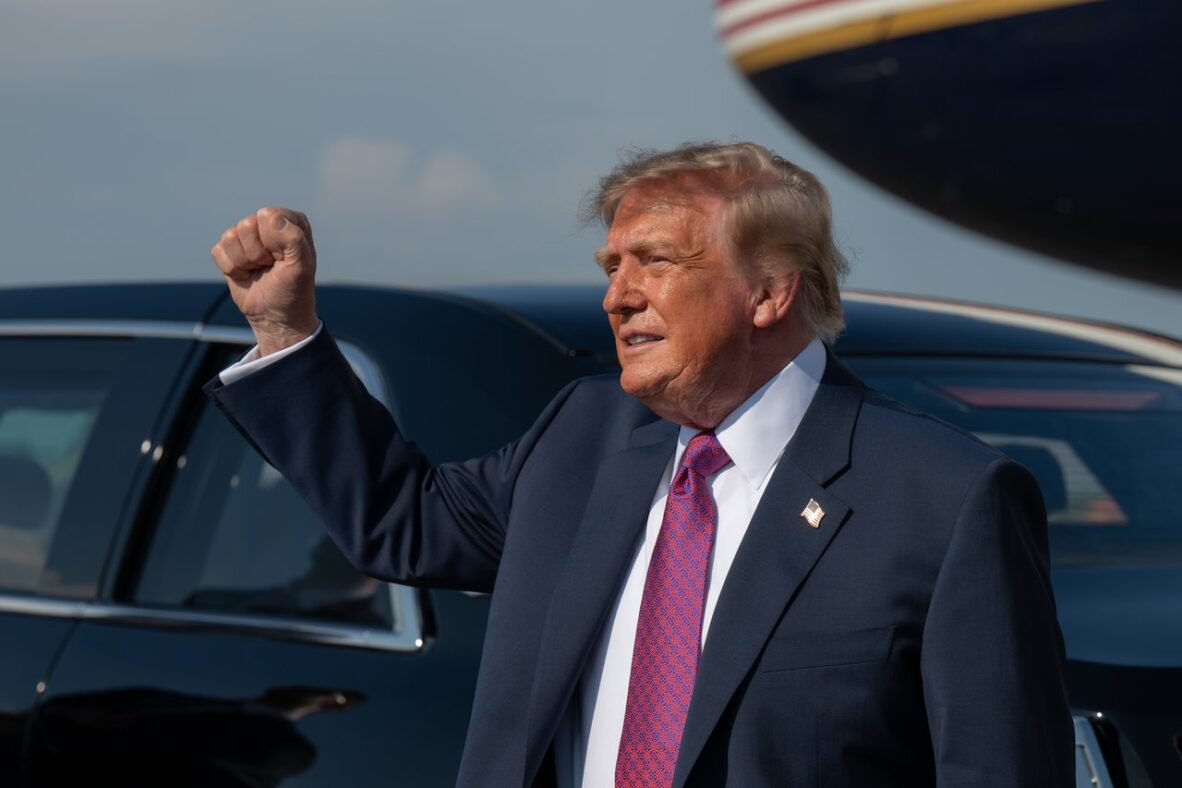
NASA/John Kraus/NASA
President Donald Trump continues to refuse direct negotiations with Iran as the United States doubles the volume of oil exiting the Persian Gulf in 2026, a critical development for global energy markets. Amid escalating regional tensions, the U.S. military has taken unprecedented steps by guiding commercial ships through the Strait of Hormuz in broad daylight, signaling a firm stance against Iranian interference in one of the world’s most strategic maritime chokepoints.
Rising Oil Export Volumes Through the Strait of Hormuz
According to the latest data from the U.S. Energy Information Administration, oil exports passing through the Strait of Hormuz have surged to nearly double the volume recorded in early 2025. This strait, a narrow waterway between Oman and Iran, is vital for global oil trade, with approximately 20% of the world’s petroleum passing through it daily. The increase comes despite heightened geopolitical risks and growing Iranian threats to disrupt shipping lanes.
Energy analysts attribute the growth to strategic U.S. partnerships with regional allies, enhanced security measures, and accelerated oil production in states like Texas and North Dakota to offset supply disruptions elsewhere. These efforts have helped stabilize global prices amid sanctions on Iran and ongoing conflicts in the Middle East.
U.S. Military Escorts in Broad Daylight: A New Security Posture
In a bold shift from previous protocols, the U.S. Navy and Coast Guard have expanded their presence by actively escorting commercial vessels through the Strait of Hormuz during daylight hours. This new posture serves both as a deterrent to Iranian aggression and as reassurance to international shipping companies concerned about safe passage.
Rear Admiral Lisa Chen, spokesperson for the U.S. Fifth Fleet based in Bahrain, stated, “Our mission is to ensure freedom of navigation and protect the flow of commerce. Escorting ships openly during the day sends a clear message that the U.S. will not tolerate any attempts to threaten maritime security in this critical region.” The naval presence also includes increased aerial surveillance and rapid response teams prepared to counter hostile actions.
President Trump’s Firm Stance Against Iran
Despite calls from some international leaders and diplomatic experts urging dialogue, President Trump has maintained a hardline approach toward Iran, rejecting any direct talks without preconditions. In a recent press briefing, President Trump emphasized, “We will not negotiate with a regime that supports terrorism and threatens global stability. Our focus is on protecting American interests and ensuring energy security for our allies.”
This stance aligns with the administration’s broader Middle East policy, which has combined maximum economic pressure through sanctions with strong military deterrence. Critics argue that the lack of engagement risks escalating conflict, but the administration insists the approach is necessary to curb Iran’s nuclear ambitions and regional influence.
Implications for Wayne, Duplin, and North Carolina’s Energy Sector
The surge in oil exports through the Persian Gulf indirectly benefits local economies in North Carolina, including Wayne and Duplin counties, by contributing to national energy stability and price moderation. North Carolina’s refining and petrochemical industries rely on steady crude oil supplies and market confidence, which the increased throughput supports.
Local business leaders note that while the geopolitical risks remain high, the Trump administration’s aggressive protection of shipping lanes helps maintain the reliability of energy markets. “Stable energy prices are crucial for our manufacturers and consumers,” said Michelle Carter, president of the Wayne County Chamber of Commerce. “Anything that secures supply chains overseas ultimately safeguards jobs here at home.”
As tensions in the Persian Gulf persist, the balance between military deterrence, diplomatic engagement, and economic strategy will continue shaping both global markets and local communities in North Carolina.