Republican Exodus Accelerates as Trump’s Influence Divides GOP
Republicans across North Carolina and nationwide are distancing themselves from President Trump amid growing party fractures.
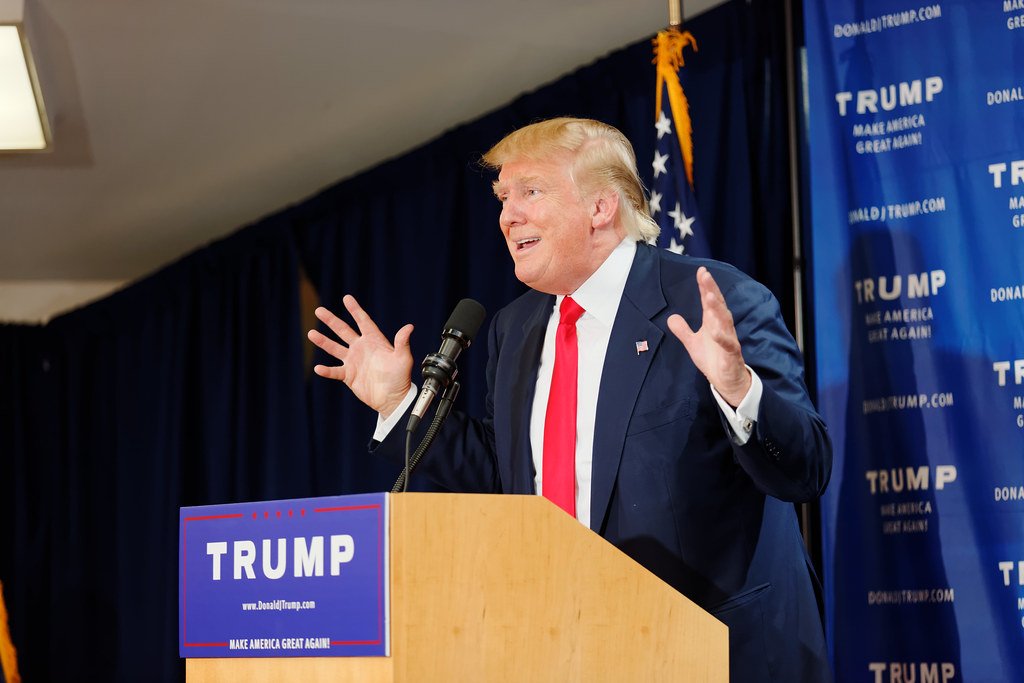
Michael Vadon/Flickr
Republicans in North Carolina and across the nation are increasingly distancing themselves from President Donald Trump as his polarizing presence weighs heavily on the GOP. This ongoing shift, evident in party leadership, grassroots organizations, and elected officials, signals deepening fractures within the Republican Party just months before key midterm elections in 2026.
Growing Discontent Among GOP Leaders
Several North Carolina Republican leaders have publicly voiced concerns about the party’s alignment with President Trump’s rhetoric and policies. Local officials in Wayne and Duplin counties report a rise in resignations and reluctance to endorse candidates closely tied to Trump. State Representative Linda Carver of Duplin County recently announced she would not seek re-election, citing a desire to avoid “the increasing factionalism” in the GOP. Political analysts note that such departures are symptomatic of broader unease within the party, as lawmakers weigh the risks of alienating moderate voters in swing districts.
Grassroots Republicans Reconsider Party Loyalty
At the grassroots level, Republican activists and donors are also reevaluating their support. Local GOP clubs in Wayne County have seen a decline in membership and attendance at meetings, with many citing frustration over the party’s focus on Trump-centric issues rather than local concerns. One longtime club member, who asked to remain anonymous, described the atmosphere as “divisive and exhausting,” adding that “people want to focus on real problems like education and healthcare, not endless Trump controversies.”
Fundraising efforts have also felt the impact. According to state GOP officials, donations from traditional conservative donors have decreased by nearly 15% this year compared to 2025, a trend attributed to uncertainty about the party’s direction under Trump’s dominance. This financial shift complicates Republicans’ efforts to mount strong campaigns across North Carolina’s competitive districts.
Impact on Voter Sentiment and Midterm Prospects
Public opinion polls in North Carolina reflect the GOP’s internal struggles. A recent statewide survey by the University of North Carolina at Chapel Hill showed that 38% of self-identified Republicans are dissatisfied with the party’s current leadership and direction. Meanwhile, 27% indicated they are less likely to vote in the upcoming midterms due to frustration with the party’s Trump association.
Political strategists warn that this disaffection could suppress Republican turnout, potentially benefiting Democratic challengers in close races. “The Republican Party is at a crossroads,” said Dr. Emily Harrison, a political science professor at UNC. “If it continues to be defined solely by Trump’s persona, it risks losing the moderate and independent voters critical for winning statewide and federal contests.”
Trump’s Response and Party Reconciliation Efforts
President Trump has acknowledged the party’s challenges but insists his leadership remains essential. In a recent rally in Charlotte, Trump emphasized his role in shaping GOP policies and criticized dissenters within the party. “Without me, the Republican Party wouldn’t be where it is today,” he declared, urging supporters to stay united ahead of the midterms.
Meanwhile, some GOP leaders advocate for a more conciliatory approach. North Carolina GOP Chairwoman Karen Mitchell has called for dialogue between Trump loyalists and critics to “heal divisions and focus on shared goals.” Efforts to bridge the gap include regional town halls and strategy sessions aiming to refocus the party on local issues such as rural healthcare access and economic development.
Local Implications for Wayne and Duplin Counties
The Republican realignment is particularly visible in Wayne and Duplin counties, where traditional conservative values have long held sway. Voters here are expressing mixed feelings about the party’s future and President Trump’s influence. Local clinics and health organizations have reported an uptick in discussions about political stress and its effects on community wellness, highlighting the broader societal impact of political polarization.
Community leaders emphasize the need to prioritize health and unity over partisan conflict. “Our focus has to be on the well-being of our families and neighbors,” said Duplin County health director Sarah James. “Political divisions should not overshadow the urgent health and economic challenges facing our region.”
As the 2026 midterm elections approach, the Republican Party’s ability to reconcile internal differences while addressing local priorities will be critical in shaping North Carolina’s political landscape.