Trump’s $1 Trillion ‘Dividend’ Plan Faces Swift Bipartisan Backlash
President Trump’s promise of $5,000 checks to Americans if GOP wins Congress faces criticism over cost and legality.
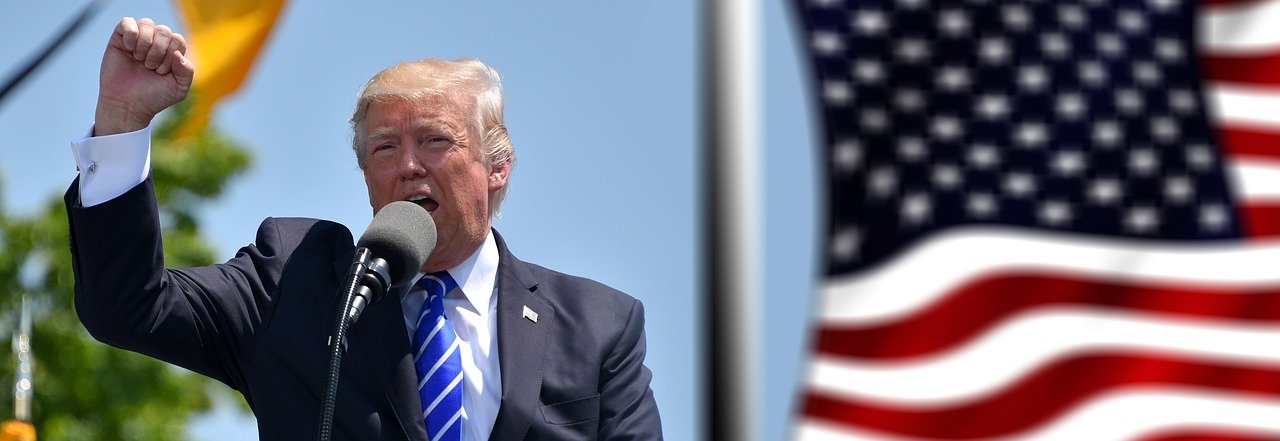
geralt/Pixabay
President Donald Trump unveiled a bold $5,000 dividend plan on September 9, 2026, promising direct payments to every adult American if Republicans secure control of both the House and Senate in the November midterm elections. The announcement, made at the Republican National Convention in Dallas, Texas, immediately drew sharp bipartisan criticism over its staggering cost, feasibility, and potential legal issues.
Details and Financial Implications of the Dividend Plan
Trump’s proposal guarantees a $5,000 check to approximately 245 million adult citizens, potentially costing the federal government more than $1.2 trillion. This figure dwarfs previous pandemic stimulus efforts and comes amid soaring national debt, which recently surpassed $40 trillion. The U.S. is currently grappling with an annual deficit nearing $1.8 trillion as government spending outpaces revenue.
Critics across the political spectrum questioned how such a massive payout would be funded. Rep. Chip Roy (R-Texas), a leader in the fiscally conservative Freedom Caucus, expressed skepticism, stating, “I would like to know how they would plan to pay for this.” The sheer scale of the proposed dividend raises concerns about exacerbating inflation and further increasing the national debt.
Bipartisan Backlash and Legal Concerns
The dividend plan quickly became a lightning rod for criticism. Some Republicans, including prominent conservative voices, warned that the proposal resembles vote-buying and socialist policies that the GOP usually condemns. Bob Good, former House Freedom Caucus Chair, called it a “socialist vote-buying scheme” on social media.
Legal experts also flagged potential violations of federal law, given that offering payments tied directly to electoral outcomes could be interpreted as illegal election inducements. Political observers noted that such a strategy risks undermining the integrity of the electoral process.
Even some Trump allies voiced caution. Joe Lonsdale, co-founder of Palantir and a Republican donor, tweeted his disapproval: “I am hugely in favor of winning the midterms, and love much about this admin, but am strongly against bread and circus bribes.”
Vice President JD Vance’s Defense and Tariff Revenues
Vice President JD Vance defended the dividend plan, attributing its funding to the tariff revenues generated by the Trump administration’s trade policies. He claimed on Fox News that tariffs have helped reduce debt and that the dividend would be a way to share economic gains with the middle class.
However, independent budget analysts challenge these assertions. The Penn Wharton Budget Model estimated that tariffs brought in around $300 billion from January 2025 through July 2026, but over $100 billion has since been refunded following a Supreme Court ruling invalidating parts of Trump’s tariff program. Additionally, tariffs are paid by importers who often pass costs to consumers, meaning the economic benefit to Americans is indirect and limited.
Context: Rising Debt and Ongoing Fiscal Challenges
The dividend promise comes at a time of heightened fiscal strain. The U.S. government has already spent over $6 trillion between October 2025 and July 2026, with defense spending topping $1.4 trillion amid ongoing global conflicts initiated under Trump’s administration, including the Iran war. Interest payments on the national debt have reached nearly $1.3 trillion in the current fiscal year, further squeezing the federal budget.
With inflation concerns and borrowing costs climbing, many economists warn that such large-scale direct payments could worsen economic instability rather than provide relief.
As the November midterms approach, President Trump’s $5,000 dividend proposal remains a highly contentious topic, highlighting the deep divisions within and beyond the Republican Party over fiscal policy, election strategy, and economic priorities.