Trump’s $5,000 Dividend Faces Doubts as Eligibility Shifts Ahead of Midterms
President Trump’s promise of a $5,000 dividend for Americans shifts daily, but just 21% of voters trust he’ll pay it.
NASA/John Kraus/NASA
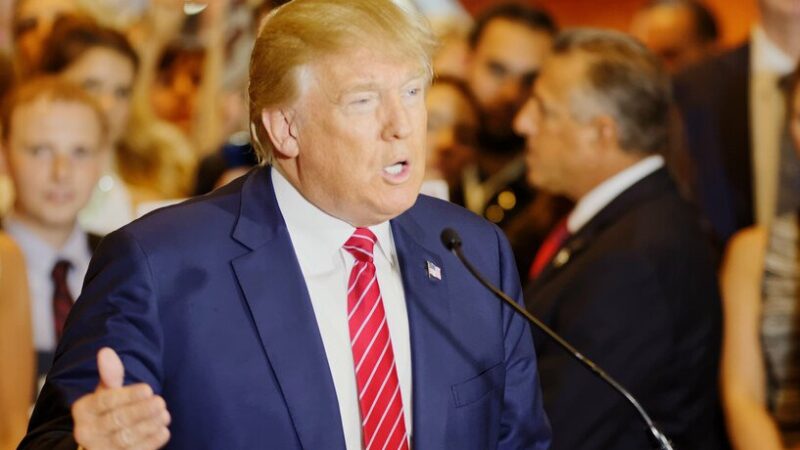
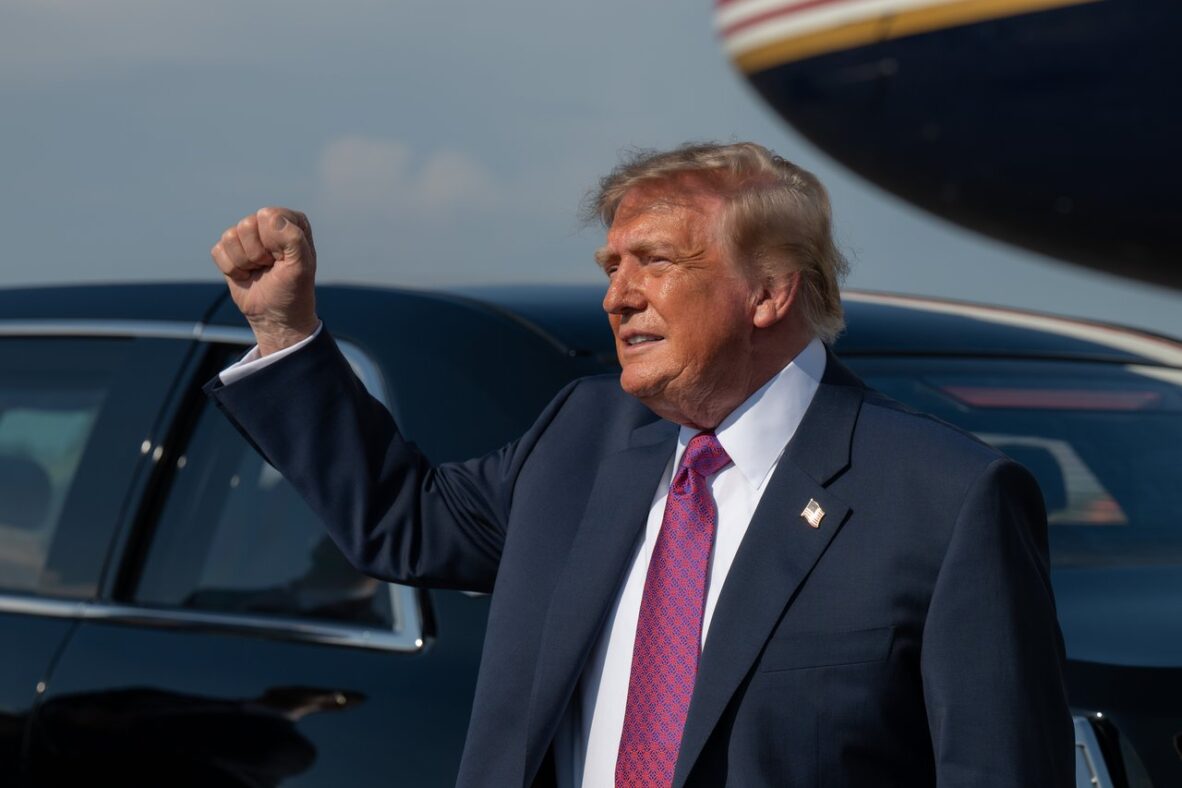
President Donald Trump has reignited controversy with his promise to distribute a $5,000 “Trump Dividend” to American citizens if Republicans secure control of both chambers in the upcoming 2026 midterm elections. However, confusion about who precisely qualifies for the payment and widespread voter skepticism cloud the announcement as the election draws near.
Changing Eligibility Sparks Confusion
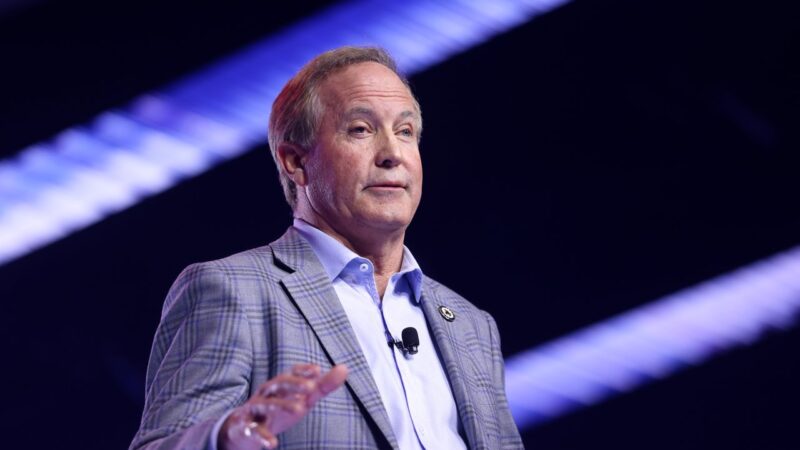
Trump first unveiled the $5,000 dividend on September 9 during a Republican midterm convention in Dallas, emphasizing the payment as a reward for the nation’s “tremendous strength and success economically.” Yet since the initial announcement, the exact recipients of the dividend have fluctuated. On October 2, Trump’s Truth Social post stated the dividend would be sent to “every U.S. Citizen,” while the following day’s post specified “all Adult Citizens.” Additionally, at a campaign stop in Alabama on October 2, Trump reiterated the payment would go to “all adult citizens.” These distinctions matter greatly — the gap between every adult U.S. citizen and every U.S. citizen encompasses roughly 73 million individuals.
This difference has significant fiscal implications. According to 2025 data from the Kids Count Data Center, the U.S. had approximately 270 million adult citizens. Paying each adult $5,000 would cost around $1.3 trillion. Extending the dividend to all 343 million U.S. citizens, per the U.S. Census Bureau, would raise the payout’s price tag to more than $1.7 trillion — a $400 billion increase. President Trump acknowledged the scale, stating in October, “The Trump Dividend is approximately $1 trillion, but we have a record-setting $21 trillion that’s being invested in our country in just the last 15 months.”
Voter Skepticism Remains High
Despite the attention the dividend proposal has garnered, the public remains doubtful about whether it will materialize. An Economist and YouGov poll from September showed only 21% of registered voters believe Trump would “definitely or probably” deliver the $5,000 payment if Republicans keep Congress. Meanwhile, 57% said he probably or definitely would not follow through. Even among Republicans, less than half (45%) think the payment will come to fruition.
When asked for clarification on eligibility, White House spokesperson Davis Ingle told Fortune, “President Trump has consistently proven his doubters wrong” and that “with the continued support of the American people, President Trump will keep delivering real results.” Nevertheless, skepticism persists, with 45% of likely voters opposing the payment outright and only 43% supporting it.
History of Unfulfilled Payment Promises
Voters’ doubts may stem from previous instances where Trump proposed direct payments that never came to pass. In 2025, Trump backed a $5,000 “DOGE dividend,” meant to distribute savings from Elon Musk’s government-cutting initiatives to taxpayers. However, this idea stalled when the projected $2 trillion savings failed to materialize. Later that year, Trump promised a tariff-funded dividend of at least $2,000 per person, excluding high-income individuals. Instead, the administration disbursed $100 billion in tariff refunds through the end of July, but no direct payments of the promised size were issued.
Cost and Political Stakes Ahead of November
The Trump Dividend proposal adds a high-stakes financial and political component to the 2026 midterms. Should the GOP sweep both the House and Senate, the administration would face the challenge of financing a payout potentially exceeding $1 trillion, a sum Trump claims is manageable given recent investments. Yet the shifting definitions of eligibility and the public’s skepticism cast uncertainty on the plan’s viability.
As election day approaches, the Trump Dividend will remain a key talking point, with voters weighing the promise against the president’s track record and the feasibility of such a massive government payout.
Ultimately, while President Trump’s $5,000 dividend proposal energizes some supporters, widespread doubts about its delivery and cost raise questions about its impact on voter turnout and election outcomes.