Trump’s AI-Fueled Wall Street Gains Stall as Market Drops 11% From October High
President Donald Trump’s AI-related Wall Street gains slow as S&P 500 falls 11% from Oct. 6 amid tech selloff and investor concerns.
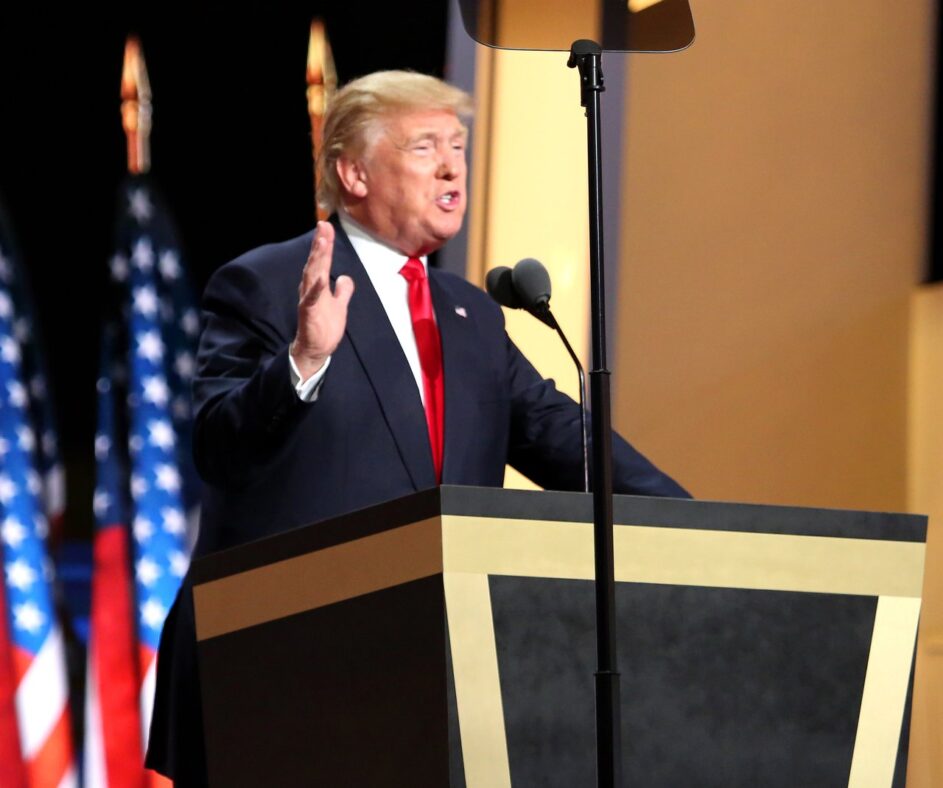
Ali Shaker/VOA/Wikimedia Commons
President Donald Trump’s Wall Street gains, largely driven by artificial intelligence investments, faced a significant setback this week as the market experienced a sharp downturn. The S&P 500 fell 11 percent from its October 6 record, signaling a correction fueled by renewed investor concerns about the pace and cost of AI development.
Market Selloff Reflects Changing Tech Investor Sentiment
Steve Sosnick of Interactive Brokers described the situation succinctly: “Smackdown! The problem stems from investors’ rapidly changed perceptions about technology, particularly the pace and cost of the artificial-intelligence buildout.” Over recent weeks, anxiety that the AI trade may no longer be sustainable escalated into a full-scale selloff. The S&P 500’s decline marks its longest slide since 2020. On the same day, the Nasdaq dropped 5 percent, highlighting the pressure on tech-heavy equities.
Nvidia and AI Companies Face Sharp Declines
Among AI-related stocks, Nvidia Corp. suffered a 23 percent drop in its steepest weekly loss since October 2008, coinciding with regulatory scrutiny of the company’s accounting practices. Another AI firm, Anthropic PBC, plunged 13 percent on its second trading day after an initial surge that briefly made its co-owners multi-millionaires. The broader chipmaker market also declined 10 percent, reflecting widespread investor unease.
Global Ripple Effects and Economic Concerns
The selloff extended beyond US equities, with Bloomberg reporting jitters spreading to metals, Bitcoin, and emerging markets worldwide. Neil Dutta of Renaissance Macro Research warned that the adjustment could deepen stock declines and worsen inflation challenges. Bret Kenwell of eToro pointed to a range of headwinds facing investors, including inflation, interest rates, and volatility in the largest market sector.
AI: The Last Growing Sector in Trump’s Economy
Critics note that AI investment was the sole sector still showing growth within President Trump’s economic landscape, even as manufacturing and construction struggled or declined. Earlier this month, Times New Radio Host Andrew Neil cautioned that the bursting of the AI bubble could trigger a “nightmare scenario.” Neil also expressed concern about limited Federal Reserve options due to already high interest rates and persistent inflation, compounded by a fiscal deficit estimated at 6.5 to potentially 7 percent of GDP.
Political and Economic Outlook
Adding to unease, a Times columnist and Wall Street Journal editor-at-large remarked, “If you thought last week’s election was a steady transition to the post-Trump world and that it would convey Trump peacefully to his retirement, you’re going to be in for a bit of a shock. Fasten your seatbelts on the political front and on the economic front. It’s going to be wild.” This warning underscores the unsettled political and economic environment amid the faltering AI-driven market gains.
The AI investment bubble’s deflation poses significant questions about the sustainability of President Trump’s economic momentum and the challenges ahead for Wall Street and the broader economy.