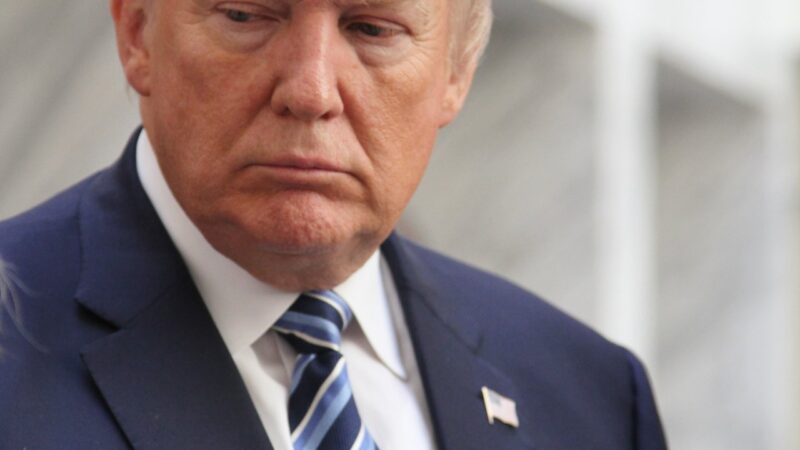
Trump’s Claim That ‘Almost Every Item’ Is Getting Cheaper Faces Stark Inflation Reality
President Trump’s claim that prices are falling clashes with Federal Reserve rate hikes amid persistent inflation ahead of the 2026 midterms.
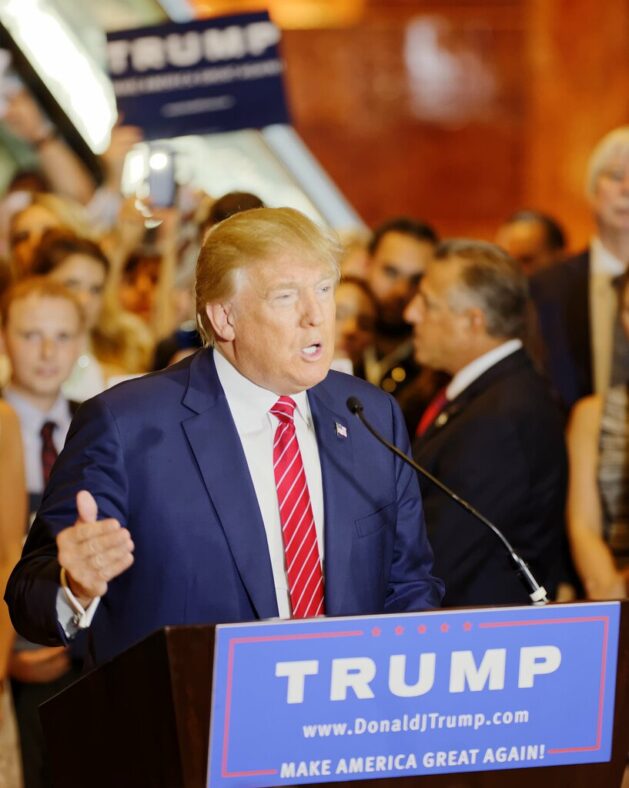
Michael Vadon/Flickr
President Donald Trump’s recent assertion that “almost every item” is getting cheaper is at odds with the ongoing economic realities facing Americans in 2026. As the Federal Reserve continues to raise interest rates to combat inflation, many voters across North Carolina and the nation are feeling the pinch in everyday expenses like housing, automotive loans, and farming costs. With the November midterm elections approaching, the economic narrative is becoming a contentious battleground.
Federal Reserve’s Tough Stance on Inflation
The Federal Reserve, under Chairman Kevin Warsh, has taken a firm stance in fighting inflation that continues to impact American households. On September 16, the Federal Open Markets Committee unanimously decided to raise interest rates once again, signaling that inflation pressures remain unresolved despite several years of efforts. Warsh emphasized that recent inflation readings do not indicate meaningful improvement, highlighting ongoing challenges that Americans face in their daily expenses.
Higher interest rates translate into increased costs for mortgages, auto loans, and credit card debt. For farmers, already grappling with record diesel and fertilizer prices, the rising interest rates exacerbate financial strain, leading the USDA to forecast a decline in farm income for 2026. Economists caution that while the Fed’s tool of rate hikes is blunt, it is currently the most effective weapon to slow inflation, even if it risks slowing parts of the economy, like housing.
President Trump’s Contradictory Economic Messages
During the Republican convention in Dallas last week, President Trump painted an optimistic picture, declaring that “almost every item” was becoming cheaper. This statement starkly contrasts with economic indicators and the Fed’s actions. Trump has publicly opposed the Fed’s rate hikes, claiming the economy is “BOOMING” and advocating for lower rates despite inflationary risks. He also hinted at more aggressive trade restrictions if rates do not come down, reflecting his continued use of tariffs and trade policy as economic tools.
Trump’s economic narrative diverges from Fed Chairman Warsh’s reality-based approach, who has stressed inflation’s sustained harm over the past five years. This gap reveals the complex political challenge Trump faces as he tries to maintain voter confidence on economic issues that remain top concerns.
Political Implications Ahead of the November Midterms
Inflation and the economy are pivotal issues for voters in North Carolina’s Wayne and Duplin counties and nationwide as the November elections near. Republicans rode a wave of inflation anxiety to significant gains in the 2024 elections, but current polls suggest a shift. A New York Times/Siena poll shows Democrats are favored to retake the House, with inflation and economic concerns driving voter sentiment.
Vice President JD Vance acknowledged in a recent podcast interview that the GOP’s economic message faces hurdles, urging voters to “give us another chance.” Yet, the Fed’s ongoing rate hikes and the lived experience of rising costs complicate the Republican narrative of economic success.
Unintended Consequences of Fed Policy and Economic Realities
Experts like John W. Diamond of the Baker Institute highlight that the Fed’s interest rate increases, while necessary, may unevenly affect the economy. Sectors like housing may slow significantly, while strong areas, such as artificial intelligence investment, continue to grow. President Trump’s defense of AI development and data centers aligns with this trend but may not resonate with voters struggling with inflation in everyday goods.
The interplay between Federal Reserve policies, Trump’s economic messaging, and voter sentiment will be a decisive factor in the upcoming elections. As inflation remains a pressing issue, the administration’s ability to address economic concerns will be scrutinized by voters across North Carolina and the country.
The divergence between President Trump’s optimistic claims and the harsher economic realities reflected by the Federal Reserve’s policies underscores the complexity of the current economic landscape. Voters will weigh these competing narratives as they head to the polls this November.