Hundreds of Thousands Rally in Tehran as Iranians Volunteer to Defend Country Amid War
Over 300,000 Iranians gathered in Tehran pledging to take up arms in a government-backed rally amid ongoing war and U.S. sanctions.
Sima Ghaffarzadeh/Pexels
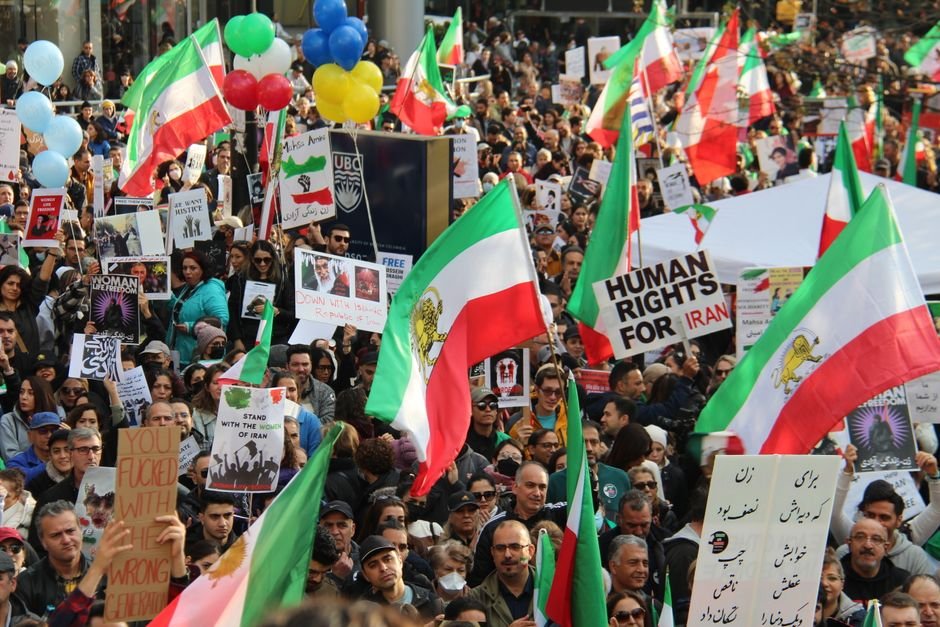
On Friday, September 18, 2026, hundreds of thousands of Iranians flooded the streets of Tehran in a massive government-organized rally, pledging readiness to take up arms and defend the country amid escalating conflict and economic pressure from the United States. This demonstration marks the largest show of public defiance since the war began earlier this year between Iran, Israel, and the United States.
Government Mobilizes Volunteers for Military Training
The Iranian government has launched a campaign called “Janfaday-e Iran,” meaning “those who sacrifice their lives for Iran,” aimed at recruiting civilians for limited military training to bolster national defense. State media reported that over 600,000 people have registered to participate in the training, with expectations that over one million will eventually join. On the morning of the rally, more than 300,000 marched through Tehran’s downtown wearing combat uniforms and carrying flags, while many onlookers cheered them on.
According to General Hassan Hassanzadeh, chief of the Revolutionary Guard, the volunteers will supplement the paramilitary Revolutionary Guard and the Basij militia, both key forces in maintaining internal security and suppressing dissent. Hossein Taeb, head of the Basij, vowed the new volunteers would be ready for “full-fledged defense” and promised similar rallies in other cities soon.
Rally Highlights Iran’s Defiance Amid U.S. Pressure
The demonstration was staged as a clear message of national unity and resistance against ongoing U.S. sanctions and a naval blockade that has tightened around Iranian ports. The U.S. and Israel launched attacks on Iran in February, intensifying the conflict. Iran’s leadership used the rally to project strength, with some participants chanting slogans like “Death to America” and “Death to Israel” while trampling on their flags in symbolic acts of defiance.
Marzieh Afaghi, a 24-year-old mother who attended the rally with her family, said, “I am here to tell President Trump that we Iranians have no fear about his threats against our homeland. No one in history could invade Iran and remain there.” Her comments reflect widespread nationalist sentiment amid the war.
Military Hardware Displayed as Iran Claims New Attack in Strait of Hormuz
The rally also served as a showcase for Iranian military capabilities. Anti-aircraft batteries, drones, and truck-mounted machine guns manned by female Revolutionary Guard members were on display. Iran claimed responsibility for a recent attack on the Togo-flagged oil tanker Trend in the strategically vital Strait of Hormuz, stating it was an “illegal attempt” to pass through the waterway, which Iran seeks to control. The UK Maritime Trade Operations center confirmed a tanker was hit by a projectile, causing a fire that was quickly extinguished.
Ship traffic through the Strait remains significantly reduced—about 90% lower than before the war—despite U.S.-facilitated transits near Oman, averaging 24 vessels daily in the past week.
New Volunteers May Bolster Regime’s Grip Amid Past Unrest
The mobilization of civilian volunteers also signals a move by Iran’s hard-line leadership to strengthen internal security and suppress future protests. Earlier in 2026, Iran experienced some of its largest nationwide demonstrations in years, initially sparked by economic hardship and escalating into broad anti-government protests. Activists report that the crackdown killed over 7,000 people and led to tens of thousands of arrests. The newly trained volunteers could augment the Basij militia’s role in quelling dissent, ensuring tighter control over the population.
Iranian officials previously claimed that over 30 million Iranians had volunteered to defend the regime, although this figure could not be independently verified. Friday’s rally underscores the regime’s push to maintain unity and project strength both internally and internationally during a period of intense conflict and economic strain.
As the war continues into late 2026, Iran’s mass mobilization efforts and displays of military might reflect the regime’s determination to resist foreign pressure and maintain its grip on power, even as challenges mount on multiple fronts.