Trump’s Midterm Push Faces Headwinds as GOP Struggles in Final Days
President Trump tours key states to boost GOP candidates, but sinking approval ratings and mixed messages imperil Republican hopes in midterms.
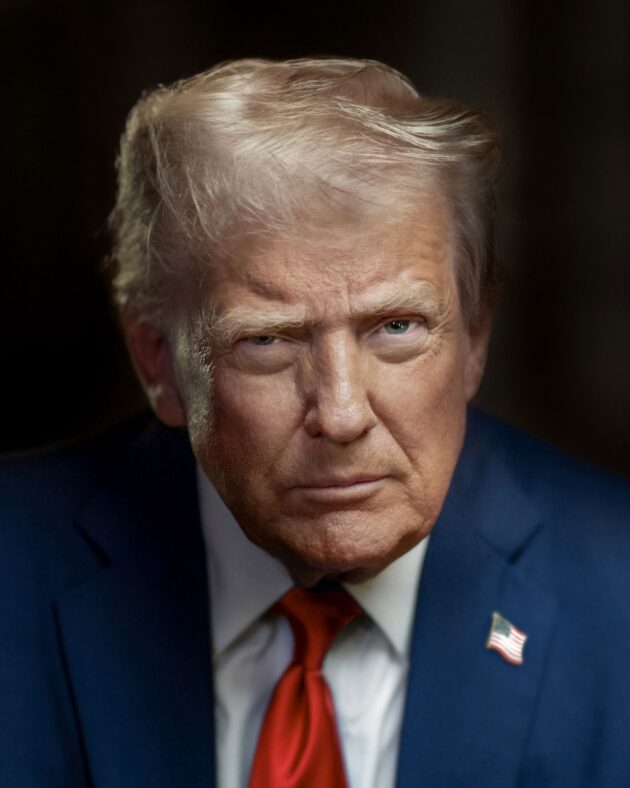
Daniel Torok/Wikimedia Commons
President Donald Trump has taken a lead role in campaigning for Republican candidates nationwide as the Nov. 3 midterm elections approach. Despite his efforts to rally the GOP base with rallies and appearances, recent polling shows his approval ratings at historic lows, threatening to undermine Republican chances to maintain control of Congress.
Trump’s Active Campaign Strategy Amid Low Approval
Unlike past presidents with low poll numbers who tend to avoid the midterm spotlight, Trump has aggressively campaigned across the country. Starting from the Republican National Committee’s midterm convention in Texas last month, where he spoke both nights, Trump launched a barnstorming tour hitting states from Alaska to Florida. The only major battleground state he is skipping is Maine, where moderate Republican Sen. Susan Collins faces a close race against Democrat Troy Jackson. Trump has urged GOP voters to “pretend” he is on the ballot, aiming to energize his MAGA base to overcome an enthusiasm gap with Democrats.
Polling Shows Troubling Trends for GOP
Trump’s approval rating has sunk to the lowest level for any president heading into midterms in 80 years, according to three new surveys released last week. This decline jeopardizes Republican candidates, as voter backlash against the president builds. An analysis by ad-tracking firm AdImpact found that only 1% of GOP ads in October mention Trump, a drastic drop from 47% in May, while Democrats mention Trump in 21% of their ads. The GOP’s massive late-stage financial advantage, buoyed by outside super PACs, reflects the party’s desperation to hold red state and competitive district seats threatened by a looming blue wave.
Mixed Messaging and Controversies Distract Voters
Some Republicans worry Trump’s off-script moments and focus on unconventional topics are distracting from voters’ top concerns—namely the economy and affordability. Marc Short, who was Trump’s liaison to Congress in his first term, said, “The number one issue is affordability and I think the sense I continue to see from a lot of polling data is voters feel like that’s not where he’s focused.” Recent rallies saw Trump tout plans to overhaul a Washington, DC golf course and muse about men’s bodies, while his administration faced turmoil, including the firing of his press secretary and ambassador to Greece, retreating from plans to livestream a federal execution, and lashing out at a political opponent following a federal search of her home.
Party Leaders and Strategists Express Concern
Republican strategist Charlie Black noted voters were willing to overlook distractions when they believed Trump would improve the economy but now feel that tolerance is waning. Meanwhile, the Republican National Committee defends Trump’s role, with National Press Secretary Natalie Baldassarre stating, “President Trump is a voter turnout machine, and he’s barnstorming the country to boost turnout in strategic areas for our candidates.” She cited tax cuts, job creation, and pro-worker policies as evidence of his popularity, dismissing critics as focused on “fake news.”
As the GOP races toward Election Day, the party’s reliance on Trump’s star power is a high-risk gamble. With his approval ratings at record lows and a political environment increasingly hostile to his presidency, the president’s presence on the campaign trail could either mobilize core supporters or further alienate swing voters, shaping the fate of Republican control in Congress.