Press Groups Sue White House Over Media Bans, Seek Broader Injunction
Press freedom groups sue the Trump administration, challenging bans on CNN, MS NOW, and Politico as violations of First Amendment rights.
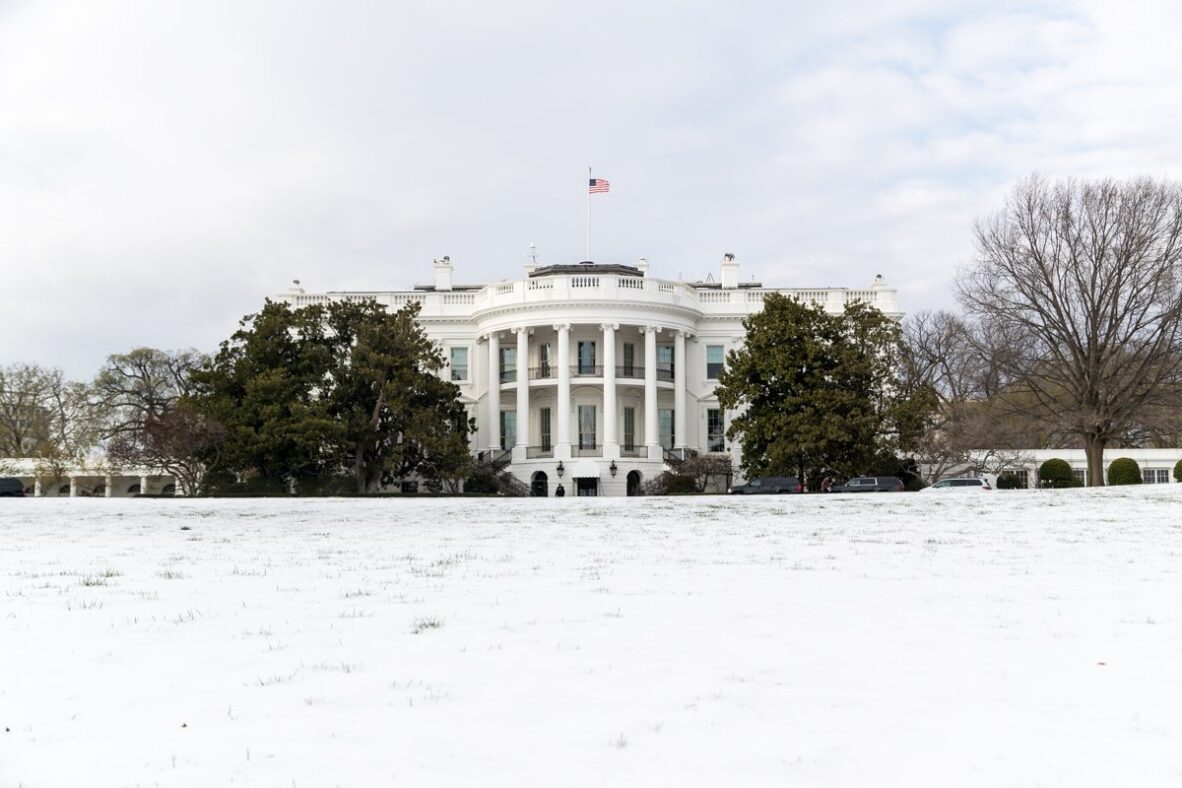
Shealeah Craighead/Wikimedia Commons
Press freedom organizations filed a lawsuit Monday in Manhattan federal court against the Trump administration, arguing that barring CNN, MS NOW, and Politico from White House access violates the First Amendment rights of the American public to receive government information. The groups seek a broader injunction to prevent the White House from continuing such bans on critical media outlets.
Background on Media Bans and Legal Challenges
The bans against the three news organizations were first announced by President Trump on Sept. 18, citing their coverage as “fake news.” The outlets promptly sued, winning a temporary restraining order from U.S. District Judge Timothy Kelly, a Trump appointee, which allowed them to return to White House grounds. On Oct. 14, Kelly escalated the ruling to a preliminary injunction, concluding the media companies were likely to succeed in their claims that the bans violated their First and Fifth Amendment rights.
Despite the injunction, CNN remains barred from traveling aboard Air Force One with the president. Theodore J. Boutrous Jr., an attorney representing the banned outlets, recently warned that further legal action would be pursued if CNN’s access was not restored.
New Lawsuit Seeks Broader Protections for Press Access
The fresh lawsuit, brought by Columbia University’s Knight First Amendment Institute and Yale Law School’s Freedom & Information Access Clinic, expands the fight beyond the three media companies. It argues that the bans harm the public by restricting access to independent journalism, which is vital to democracy.
Six plaintiffs are named in the suit, including Yale professors Kenneth Roth and Beverly Gage, Lawfare Editor in Chief Benjamin Wittes, journalist Daniel Froomkin, University of Pennsylvania student Ethan Young, and New York City teacher Peter Schmidt-Nowara. The suit aims to prevent the White House from punishing critical reporting by expelling journalists, which the plaintiffs say amounts to government censorship.
Katie Fallow, deputy litigation director at the Knight First Amendment Institute, stated: “The White House cannot decide what information Americans receive by punishing critical reporting. When the White House expels reporters because of their coverage and threatens others with expulsion, it isn’t just the press that suffers — the public loses access to independent reporting and gets something closer to government propaganda.”
White House Response and Press Access Restrictions
The White House maintains its stance, with a spokesperson telling The Washington Post: “Media that pedal misinformation and defamation are completely capable of reporting their manufactured stories from directly outside.” The Justice Department, representing the government, did not provide comment.
Last week, the White House barred Andrew Feinberg of the British newspaper The Independent from serving as the designated print pool representative after a confrontational interaction with President Trump. Jacqui Heinrich, Fox News correspondent and president of the White House Correspondents’ Association, condemned the move as “retaliation,” emphasizing that independent journalism must be free from fear of losing access for challenging the president.
Additionally, Politico faced threats of further restrictions over multiple articles about White House Chief of Staff Susie Wiles. The outlet resisted but issued a significant correction on one piece following White House complaints.
President Trump also suggested on Truth Social that he may relocate the press corps outside the White House complex entirely, escalating tensions further.
Legal and Democratic Implications
David A. Schulz, director of Yale Law School’s Media Freedom & Information Access Clinic, said the lawsuit responds to a broader threat: “As the Supreme Court has emphasized repeatedly, journalists are the public’s ‘eyes and ears’ in spaces they can’t access. The president’s policy of expelling disfavored journalists harms the public and our democracy.”
The case highlights ongoing national debates over press freedom, government transparency, and the limits of executive power in controlling media coverage.
The lawsuit’s success or failure will likely shape how the White House manages press relations and could set significant precedent for First Amendment protections in the digital age.