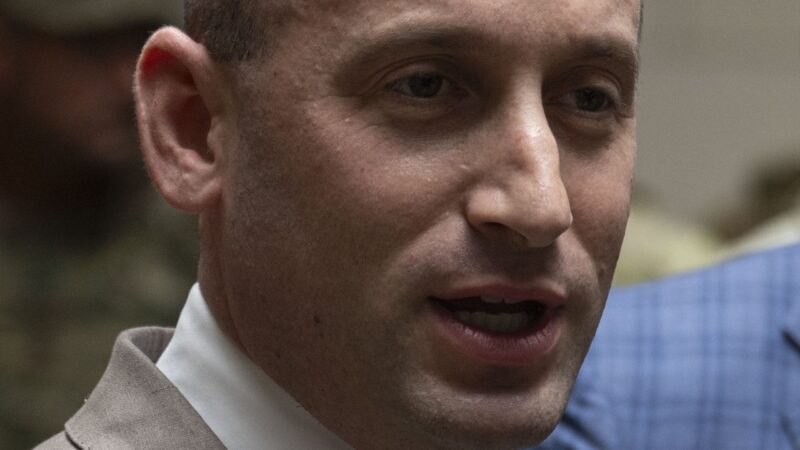
Trump’s Nephew Reveals Media Attention as President’s Greatest Vulnerability
Fred Trump III recalls a 1990 family moment showing how media attention remains President Trump’s key vulnerability.
The White House from Washington, DC/Wikimedia Commons
Fred Trump III, nephew of President Donald Trump, has sparked fresh discussion about the president’s relationship with the media by sharing a revealing family anecdote from 1990. On Tuesday, Fred suggested that the one thing that could truly undermine President Trump is the media withholding the attention he constantly seeks. His reflections come amid the ongoing tense dynamic between the White House and news outlets in 2026.
Decades-Old Family Moment Sheds Light on Trump’s Media Dependence
Fred Trump III recounted a poignant Father’s Day gathering from 1990, a time when Donald Trump was frequently in the headlines. He described how his uncle appeared visibly downcast after not being featured on the front page of The New York Post for the first time in over a week. When Fred asked his uncle Robert about it, Robert explained that Donald was glum because “he wasn’t on the cover of the Post today.”
This intimate glimpse into the Trump family illustrates the president’s long-standing craving for media attention, something Fred argues remains a critical vulnerability. He noted that while the press should continue to cover consequential news, not every provocation from President Trump requires amplification.
Fred Trump III’s Growing Criticism of the President
Fred Trump III has emerged as one of the president’s most outspoken family critics in recent years. His public challenges to President Trump’s narrative have included disputes over the president’s claims about his actions following the September 11 terrorist attacks. Earlier this month, Fred questioned these assertions, adding to the tension between them.
His memoir, All in the Family: The Trumps and How We Got This Way, further deepened the rift by alleging that President Trump used racist language and made disparaging remarks about people with disabilities—claims the president has denied. Fred’s willingness to speak candidly about private family matters has drawn national attention and complicated the public’s perception of the Trump family dynamic.
The Media’s Role in Amplifying or Withholding Attention
Fred’s recent commentary on the media’s power to influence President Trump underscores a broader debate about journalistic responsibility. He argued that the media should be discerning in its coverage, emphasizing that not every controversial statement or action from the president merits front-page treatment. Instead, he suggested that sometimes the strongest response is to simply withhold attention, potentially diminishing the president’s influence.
In 2026, with President Trump in his second term and continuing to confront a critical press landscape, the strategy of selective coverage is more relevant than ever. Fred’s insight offers a rare insider perspective on how media dynamics affect the president personally, beyond the political strategies and public messaging.
What This Means for the 2026 Political Climate
President Trump’s second term has been marked by a combative relationship with many news organizations, with ongoing disputes over coverage fairness and media bias claims. Fred Trump III’s reflections add a new layer to understanding this tension, highlighting the psychological impact media attention—or lack thereof—can have on the president.
As Republicans hold the White House, Senate, and House, media coverage remains a powerful tool in shaping public opinion and political narratives. Fred’s anecdote suggests that curtailing excessive media amplification of every presidential provocation might influence the administration’s approach and public resonance.
Fred Trump III’s observations remind us that behind the political theater, personal dynamics and family histories continue to play a significant role in the unfolding story of President Donald Trump’s time in office.