Trump’s Super PAC Funnels Tens of Millions into Key Senate and House Races Ahead of Midterms
President Trump’s super PAC and affiliates have injected tens of millions into pivotal Senate and House races as the GOP fights to keep Congress.
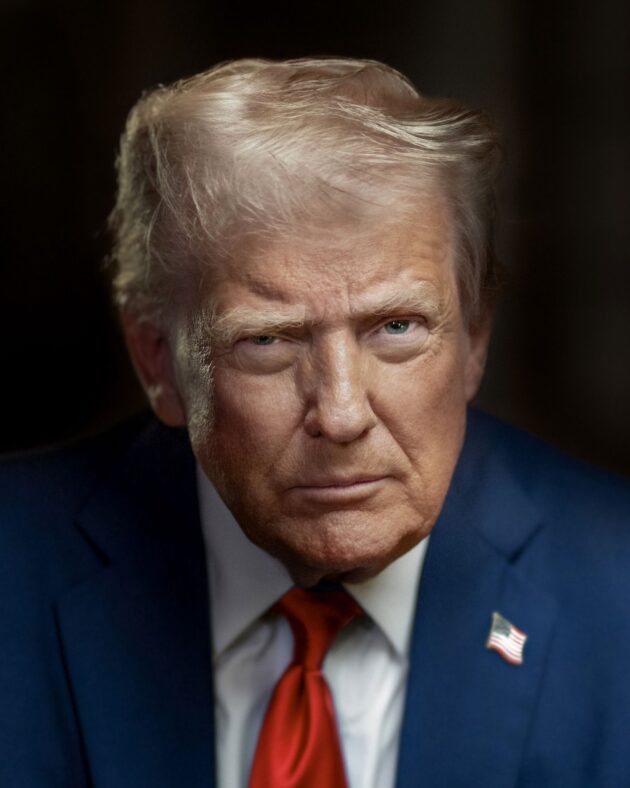
Daniel Torok/Wikimedia Commons
President Donald Trump’s super PAC and affiliated groups have poured tens of millions of dollars into high-stakes Senate and House races across the country, just one month before the 2026 midterm elections. With the Republican Party aiming to maintain control of Congress, Trump’s MAGA Inc., along with No Going Back PAC Inc. and Safety & Affordability PAC Inc., have targeted competitive races in key states such as Texas, Ohio, Michigan, and Florida.
Massive Spending in Senate Battlegrounds
MAGA Inc., the president’s primary super PAC, has concentrated its efforts on the fiercely contested Texas Senate race. According to the most recent campaign finance filings available Saturday, MAGA Inc. has already spent $25 million to support Republican Attorney General Ken Paxton against Democratic state Rep. James Talarico. Polling averages compiled by Decision Desk HQ show Talarico leading Paxton by over two percentage points in this toss-up.
In addition, MAGA Inc. allocated just over $825,000 in late August to back Sen. Darline Graham during the South Carolina Senate GOP primary, where she defeated Rep. Ralph Norman to advance against Democrat Annie Andrews for the full six-year term.
Meanwhile, Senate GOP leadership-affiliated Texas PAC has reported spending more than $130 million to support Paxton and oppose Talarico, highlighting the extensive financial battle unfolding in Texas. A source close to Trump’s political operation emphasized coordination between MAGA Inc. and Senate Republican groups, stating, “Everything we’ve done has been in partnership” with other Republican committees, strategically targeting gaps in media markets and timing.
No Going Back PAC Targets Multiple Senate and House Races
Trump-affiliated No Going Back PAC has also made significant investments in several crucial Senate battles. It has spent nearly $23 million in Ohio’s Senate race between Sen. Jon Husted (R) and former Sen. Sherrod Brown (D). Another $17.5 million has gone into Michigan’s Senate contest between former Rep. Mike Rogers (R) and Democrat Abdul El-Sayed.
In North Carolina, the PAC has devoted close to $10 million to support former RNC Chair Michael Whatley and attack former Gov. Roy Cooper in the Senate race. Other notable Senate investments include $7.4 million in New Hampshire, $5 million in Georgia, and over $5 million in Alaska.
Ad-tracking firm AdImpact reported that roughly $43 million has been spent on aired advertising across six Senate races targeted by No Going Back PAC, with more than $32 million spent on ads in competitive House districts. Additionally, nearly $26 million has been reserved for future advertising in five key Senate contests.
House Races See Targeted Spending Amid Competitive Battlegrounds
No Going Back PAC is heavily investing in pivotal House races as well. The group has spent over $7 million in Florida’s 25th District, where Democrat Rep. Jared Moskowitz faces Republican Scott Singer. In New York’s 3rd District, represented by Democrat Rep. Tom Suozzi, the PAC has invested nearly $6.6 million. Michigan’s 4th District, represented by Republican Bill Huizenga, has received close to $4 million.
The PAC has also allocated funds in traditionally Republican districts facing challenges, including roughly $285,000 in Texas’s 9th District supporting Republican Alex Mealer, and more than $235,000 in Texas’s 23rd District, signaling efforts to shore up GOP-held seats amid a tough midterm environment.
Republicans Hold Spending Edge in 2026 Midterms
Overall, Republicans maintain a clear advantage in campaign spending this cycle, despite competitive fundraising efforts from Senate and House Democrats. AdImpact noted on Thursday that this marks the first time since at least 2020 that Republicans have outspent Democrats in Senate races at this stage of the election cycle, leading by nearly $190 million.
A Republican operative involved in the midterms remarked that any potential GOP setbacks this fall would stem more from voter concerns over the cost of living rather than a lack of financial resources. As the midterm elections approach, the strategic deployment of President Trump’s war chest will continue to be a critical factor in the battle for control of Congress.
With just weeks remaining until Election Day, all eyes remain on Trump’s super PAC and its affiliated groups as they navigate a complex and costly contest for the Senate and House.