President Trump Weighs Major Escalation Against Iran Amid Ongoing Conflict
President Trump says he is ‘deciding’ whether to escalate military action against Iran, warning of ‘very big things’ ahead in the conflict.
Daniel Torok/Wikimedia Commons
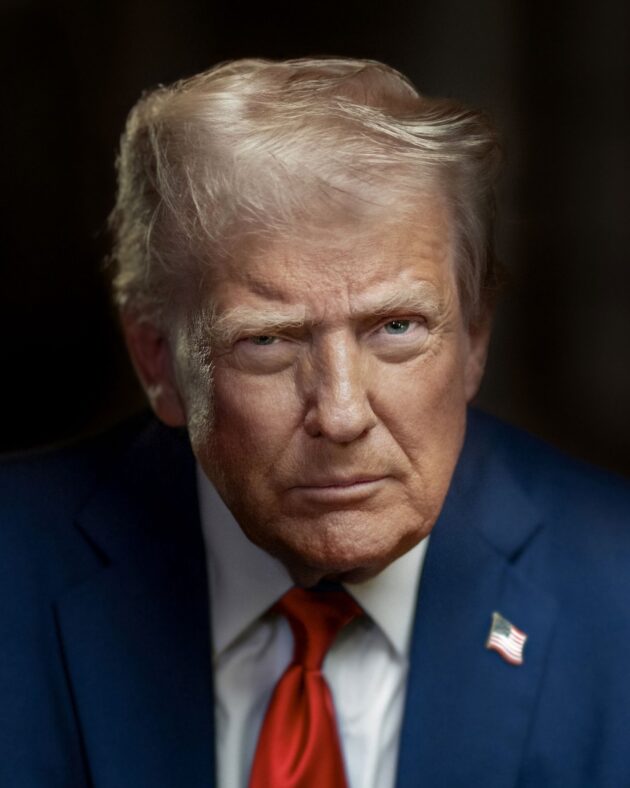
President Donald Trump, during a Fox News interview on September 20, 2026, stated he is currently “deciding” whether to dramatically escalate the ongoing U.S. conflict with Iran, including the possibility of “blowing the entire nation up.” The remarks come amid a protracted war that has already cost billions and lives, while tensions across the Middle East continue to intensify.
Trump’s Stark Warning and Open Door to Talks
In a candid discussion with Fox News correspondent Trey Yingst, President Trump emphasized his frustration with Iran’s behavior, asserting, “They better behave.” He did not provide specifics on what an escalation might entail but warned that “very big things” are on the horizon. Despite these threats, Trump also expressed openness to diplomacy, indicating he might meet with Iranian President Masoud Pezeshkian during this week’s United Nations General Assembly in New York, signaling a potential avenue for negotiation amidst rising tensions.
Iran’s Response and Regional Fallout
Iran’s military leadership promptly responded to Trump’s threat by declaring that any new U.S. attacks would trigger sustained retaliation not only against American bases but also against Washington’s regional allies. Iranian officials claimed to have intelligence about an impending attack, though details remain undisclosed. Meanwhile, the conflict’s regional impact has grown harsher. On September 19, Yemen’s Iran-backed Houthi forces launched missile and drone strikes on Riyadh, Saudi Arabia’s capital, following recent gains in Yemen’s civil war. This has amplified threats to key shipping lanes like the Bab el-Mandeb Strait, which the Houthis now control, compounding Iran’s blockade of the Strait of Hormuz and disrupting global oil exports.
Human and Economic Costs Mounting
The war’s toll continues to rise. The U.S. military has lost at least 18 soldiers, including two killed in a recent attack in Jordan. More than 800 service members have been wounded since the conflict began. On the economic front, diesel prices have surged to record highs above $6.50 per gallon nationally, while regular gasoline now costs more than $4.47 per gallon, squeezing American consumers. The Pentagon has reported spending over $43 billion on the war, covering munitions replacement and base repairs, with shortages of critical weapons raising concerns about U.S. readiness in other global hotspots such as the Indo-Pacific region.
Diplomatic Challenges and Uncertain Ceasefire Prospects
Attempts to revive a ceasefire agreement struck in June have faltered, with disagreements over terms causing the truce to collapse in July. Iranian Parliament Speaker Mohammad Baqer Qalibaf has underscored Iran’s commitment to continuing both military actions and diplomatic negotiations to push back its adversaries and secure gains. However, with escalating threats from both sides and no clear resolution in sight, the risk of further destabilization in the Middle East remains high.
As President Trump weighs his next moves, including the possibility of intensified military action or dialogue at the United Nations, the world watches closely. The stakes remain high, with lives, regional stability, and global economic conditions hanging in the balance.