Trump’s Void of Biden Pardons Backfires, Fuels Fauci’s Fifth Amendment Defense
Trump’s attempt to void Biden’s pardons strengthens Fauci’s legal shield as he refuses Senate testimony under the Fifth Amendment.
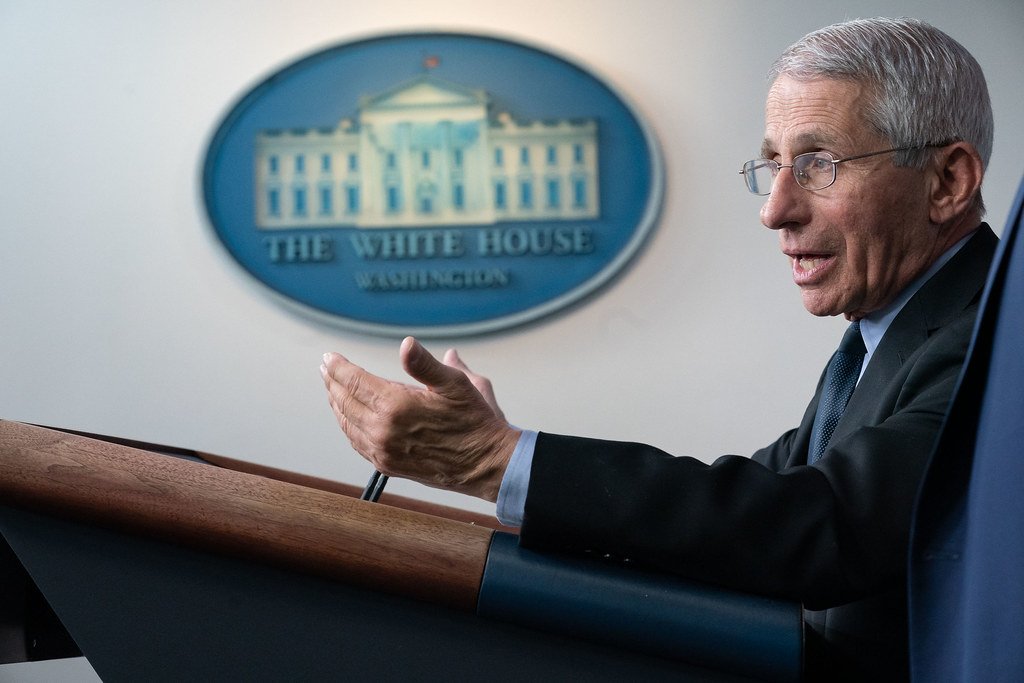
The White House/Flickr
Former President Donald Trump’s efforts to invalidate pardons issued by President Joe Biden have unexpectedly bolstered Dr. Anthony Fauci’s legal position, allowing the longtime government scientist to repeatedly invoke the Fifth Amendment and refuse testimony during a July 2026 Senate Homeland Security Committee hearing. The move has sparked controversy, with Republican lawmakers threatening repercussions while legal experts debate the implications of Trump’s declaration that Biden’s pardons are “null and void.”
Trump’s Pardon Reversal: A Legal Quagmire
In December 2025, Donald Trump publicly declared that the presidential pardons granted by Joe Biden—aimed at shielding certain officials from prosecution over the COVID-19 pandemic response—were invalid. This unprecedented challenge sought to strip those pardoned of their legal protections, including Dr. Fauci, who has been a central figure in pandemic policymaking. However, rather than weakening Fauci’s position, legal analysts say Trump’s actions have inadvertently given Fauci a stronger basis to claim that testifying could incriminate him if the pardons are retroactively voided.
Bill Shipley, a former prosecutor known for his pro-Trump views, explained the irony: “By attempting to void Biden’s pardons, Trump has created a situation where Fauci can legitimately argue that answering questions may expose him to prosecution if the pardon is overturned.” This has complicated Republican efforts in the Senate, who had hoped the pardons would eliminate Fauci’s Fifth Amendment protections and compel full testimony.
Fauci’s Use of the Fifth Amendment and Senate Tensions
During the July 2026 hearings, Fauci repeatedly invoked the Fifth Amendment, which protects witnesses from self-incrimination. His legal team argued that the ongoing uncertainty over his pardon status means his answers could be used against him if Trump’s nullification attempt succeeds. The situation escalated when Sen. Rand Paul (R-KY) threatened “repercussions” for Fauci’s silence, leading to the removal of Fauci’s attorney, David Schertler, from the hearing room by Capitol Police, as reported by Politico.
Schertler took to social media to propose a solution: Congress should issue Fauci a Grant of Immunity using the exact language of Biden’s original pardon, ensuring it is coextensive and legally binding. Without such immunity, Fauci’s refusal to testify is legally justified, creating a stalemate between Senate Republicans demanding answers and Fauci’s legal protections.
Implications for Congressional Oversight and Legal Strategy
The fallout from Trump’s pardon reversal has exposed a legal and political impasse. Senate Republicans initially argued that Biden’s pardons should negate Fifth Amendment protections, allowing them to compel Fauci’s testimony on the pandemic origin and government response. But with Trump’s declaration casting doubt on the validity of those pardons, Fauci’s legal team has secured a credible defense.
Experts like Shipley suggest two possible paths forward for Congress:
- Grant Fauci formal immunity explicitly crafted to mirror the original pardon’s protections, thereby compelling testimony without risk of prosecution.
- Hold Fauci in contempt of Congress if he continues to refuse testimony, potentially triggering protracted legal battles.
Both options carry political risks and legal complexities, underscoring the challenges of oversight in a highly polarized environment where presidential actions directly impact congressional investigations.
Political Fallout and Future Prospects
The controversy highlights the broader consequences of Trump’s post-presidential maneuvers. By attempting to nullify Biden’s pardons, Trump has unintentionally strengthened the legal defenses of officials like Fauci, complicating Republican efforts to hold pandemic-era figures accountable. The ongoing standoff has drawn national attention amid growing frustration over the handling of the COVID-19 origins investigation and government transparency.
Observers will be watching closely as Congress debates whether to grant immunity or escalate enforcement actions. Meanwhile, Fauci’s refusal to testify continues to fuel partisan tensions, with Republicans accusing Democrats of shielding key witnesses, and Democrats decrying GOP tactics as politically motivated.
As the saga unfolds, Trump’s gamble to void Biden’s pardons may have created more obstacles than opportunities—particularly in the fight over Fauci’s Senate testimony.