US Loses Measles Elimination Status Amid Rising Outbreak Under Trump and RFK Jr.
An international panel revoked the US’s measles elimination status after rising infections and vaccination declines under Trump and RFK Jr.
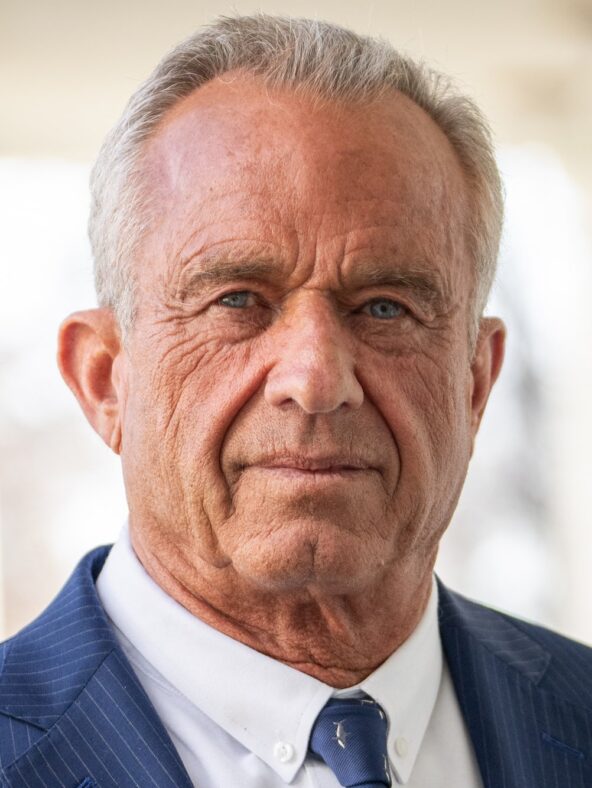
Boghosian, Joyce: United States Department of Health and Human Services (The Whi/Wikimedia Commons
An international health panel has officially withdrawn the United States’ measles elimination status, marking a significant public health setback under President Donald Trump and vaccine skeptic Robert F. Kennedy Jr. The decision follows over a year of uninterrupted domestic measles transmission and a sharp rise in infections, experts announced ahead of a formal announcement expected Tuesday.
Collapse of a Public Health Milestone
The United States achieved international recognition for eliminating measles in 2000 after a sustained vaccination effort. However, the Pan American Health Organization’s independent advisory panel recently concluded that the virus has been spreading continuously within the country for more than 12 months. The Trump administration was officially notified by letter last Friday.
Measles vaccinations have fallen significantly during the Trump and Kennedy era, contributing to a resurgence of the disease. According to the Centers for Disease Control and Prevention (CDC), 5,412 measles infections were recorded through November 12, compared to 2,289 cases throughout 2023. Hospitalizations have reached 591, with 10 state-reported deaths this year, including four infants too young to be vaccinated. The CDC’s own reporting system confirms six deaths.
Leadership and Controversy on Vaccination Policy
Robert F. Kennedy Jr., 72, known for his vaccine skepticism, has faced widespread criticism amid the outbreak and the loss of America’s elimination status. The health secretary has emphasized vitamin A supplementation and improved nutrition in measles discussions, a stance that has angered medical specialists. He has also made misleading statements regarding fetal material in vaccines.
President Trump, 80, has publicly described the established MMR vaccine as “quite lethal.” In August, he announced plans to split the combined measles, mumps, and rubella vaccine into separate shots. Furthermore, in September, allegations surfaced that Kennedy pressured the CDC to exclude two measles deaths from federal statistics; however, the Department of Health and Human Services (HHS) stated the CDC made that decision independently.
Declining Vaccination Rates and Outbreak Impact
Vaccination coverage has been slipping since before Kennedy’s appointment. The CDC estimates that about 95 percent vaccination coverage is needed to suppress measles outbreaks. Yet, the vaccination rate among kindergarten children has dropped from approximately 95 percent during the 2019–20 school year to 92.4 percent in 2025–26, a decline attributed to pandemic disruptions and growing public mistrust.
The resurgence of measles has proven deadly, underscoring the critical need for effective vaccination programs. Medical experts warn that without restoring high vaccination rates, outbreaks will continue to threaten public health.
Federal Response and Path to Regaining Status
The Department of Health and Human Services has defended its approach, noting it allocated an additional $100 million in October for outbreak control and deployed specialists to assist state health officials. The department affirmed that Kennedy and CDC Director Mandy Schwartz support the MMR vaccine as the strongest measure against measles.
To regain measles elimination status, the United States must halt sustained transmission and demonstrate at least 12 months without domestic spread. The White House and HHS have been contacted for comment by The Daily Beast.
The loss of measles elimination status marks a profound challenge for US public health under the current administration, highlighting the consequences of declining vaccination rates and leadership controversies.