Electric Cars Were Supposed to be Money Savers, Now Insurance Bills Are Becoming the New Shock
Electric vehicle owners face soaring insurance premiums as costly repairs and battery issues drive up claims in 2026.
Saksham Vikram/Pexels
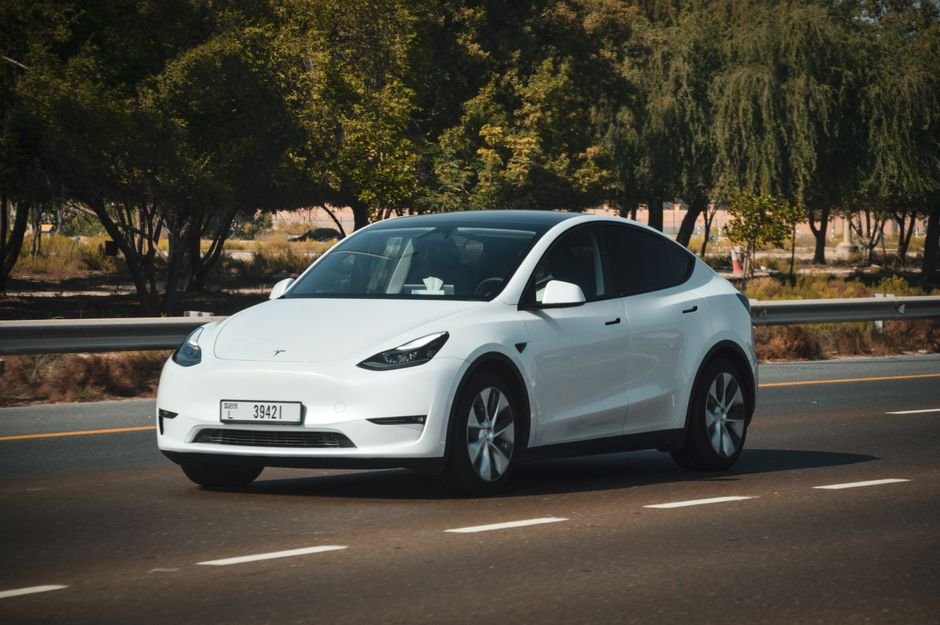
As electric vehicles (EVs) continue to gain popularity across North Carolina and the nation, many drivers are discovering that the promised savings on fuel and maintenance come with an unexpected cost: higher insurance premiums. In 2026, the growing expense of repairing EVs after accidents is pushing insurance rates upward, challenging the affordability once marketed as a key benefit of going electric.
Why Minor Crashes Can Lead to Major Repair Bills
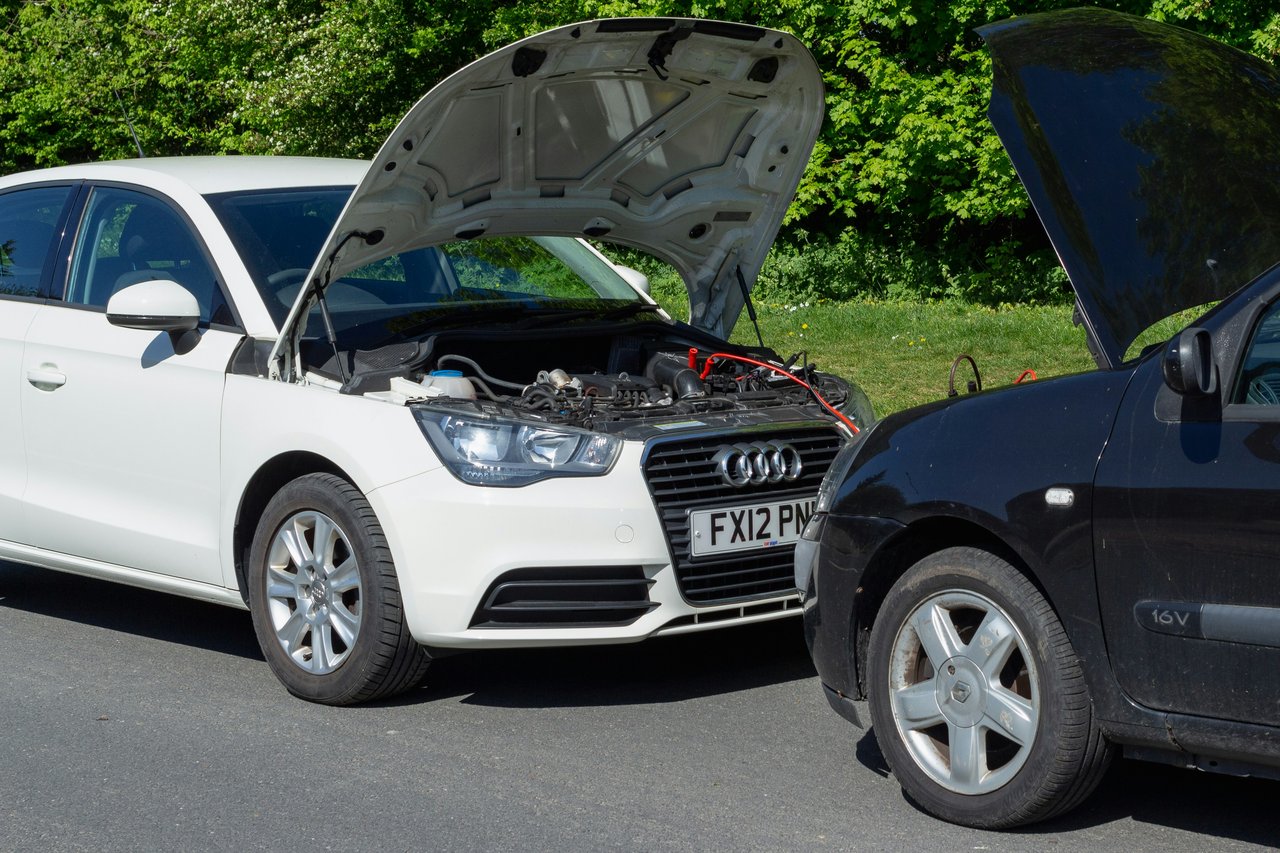
One of the biggest surprises for EV owners is that even low-speed collisions or minor dents can result in costly repairs. Unlike traditional gasoline cars, EVs contain complex, high-voltage battery systems and integrated electronics that require specialized inspections after an accident. For example, damage to a seemingly simple bumper area might involve the vehicle’s charging port, battery cooling systems, or electrical wiring beneath the surface.
Insurers have noted that these repairs often cost thousands of dollars—far more than comparable damage on conventional cars. This complexity means that what looks like a minor fender bender to drivers can escalate into a major insurance claim, driving up premiums for EV owners.
The Role of Battery Packs in Insurance Costs
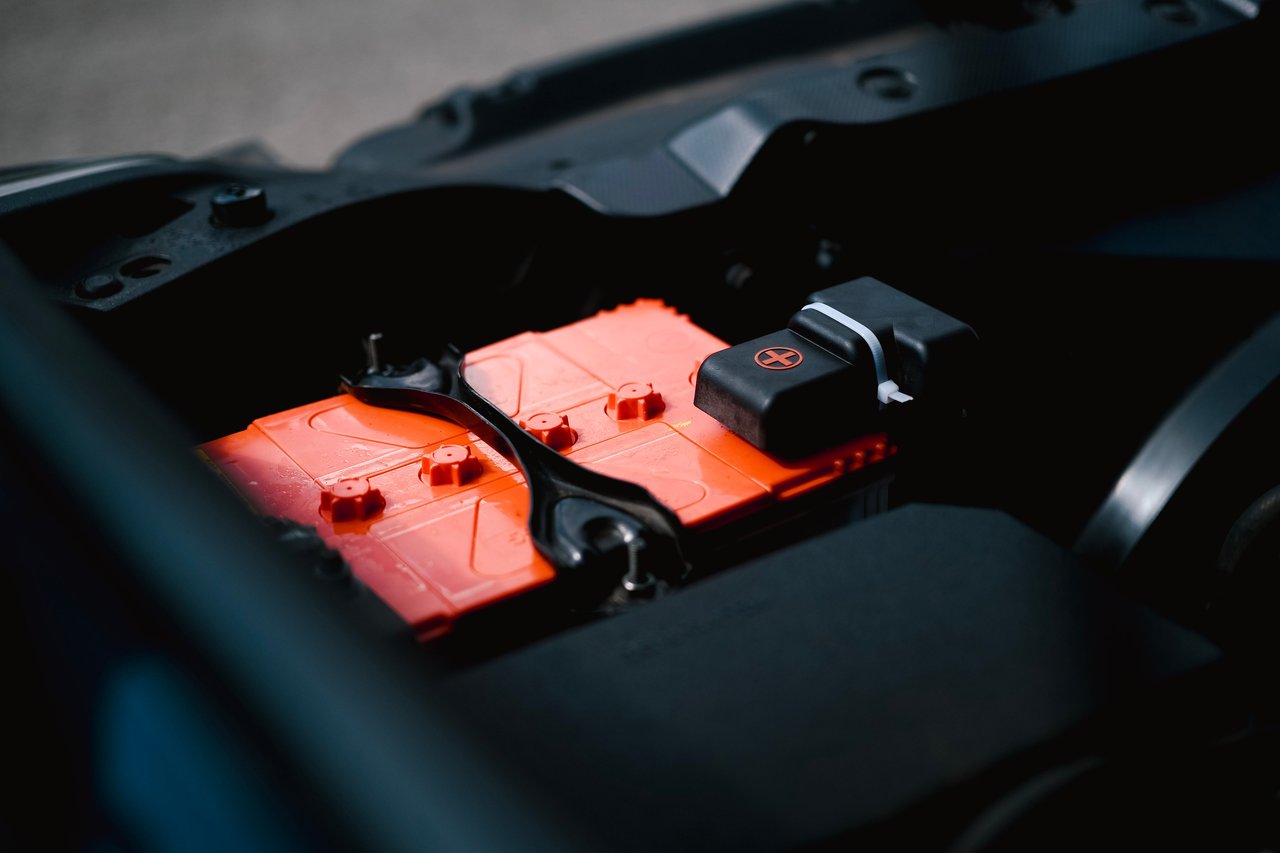
The battery pack remains the most expensive component of an electric vehicle, often accounting for 30% to 40% of the car’s total value. Because battery damage is not always visible, detailed diagnostics are necessary after any collision to ensure safety. If a battery or its protective systems are compromised, insurers may opt to declare the vehicle a total loss rather than risk costly repairs.
This risk significantly affects insurance pricing. With batteries so expensive to replace, insurers factor in the potential for large claims, especially with newer EV models featuring larger, more complex battery systems.
Challenges Facing Older Electric Vehicles
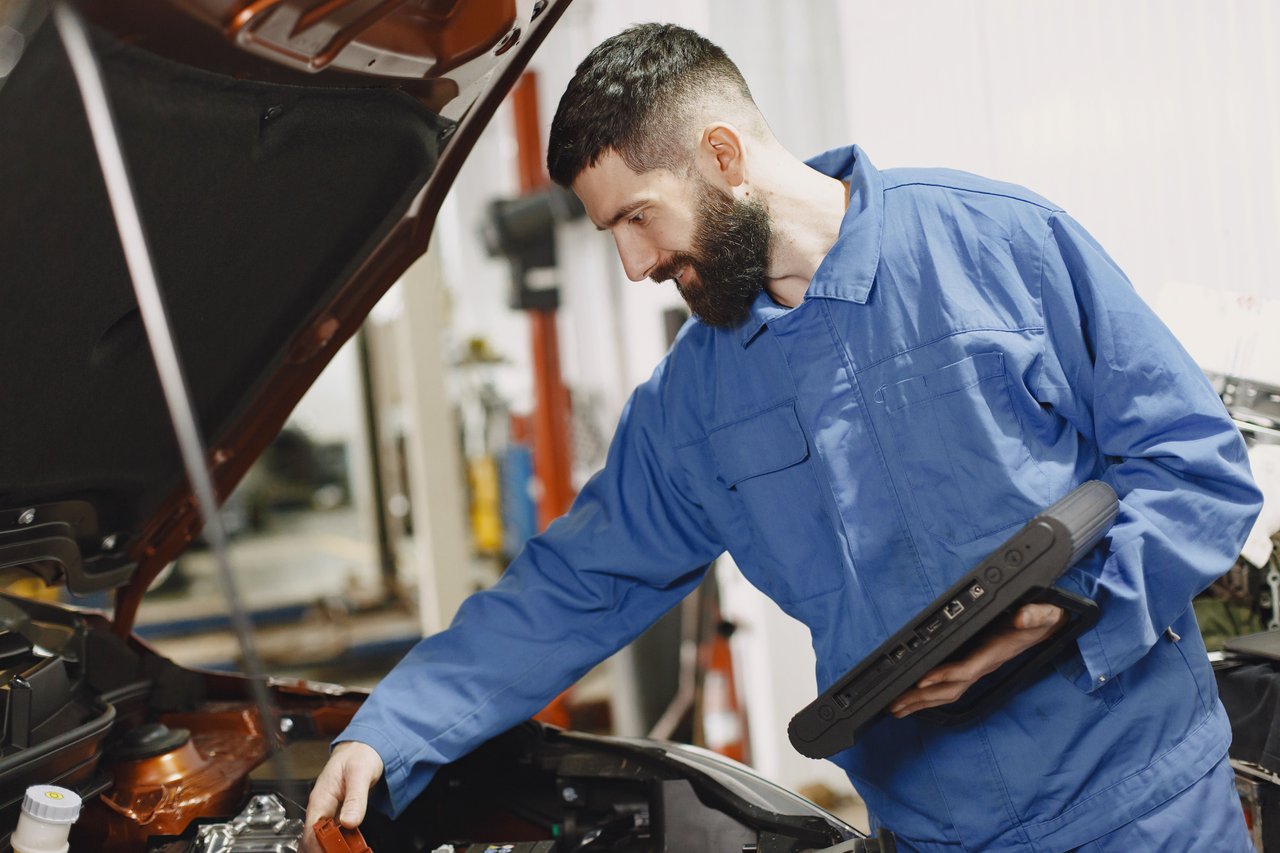
As early EV models age and enter the used-car market, insurance and repair challenges grow more complicated. Whereas a high-value new EV might justify expensive repairs, similar damage to an older EV may exceed its remaining market value. This can lead to total-loss claims even when the vehicle’s motor and battery performance remain strong.
Additionally, older EVs often face limited access to replacement parts and specialized technicians, unlike traditional gasoline vehicles with more established repair networks. This situation creates financial uncertainty for owners who want to maintain their electric cars long-term.
Design Factors Increasing Repair Complexity
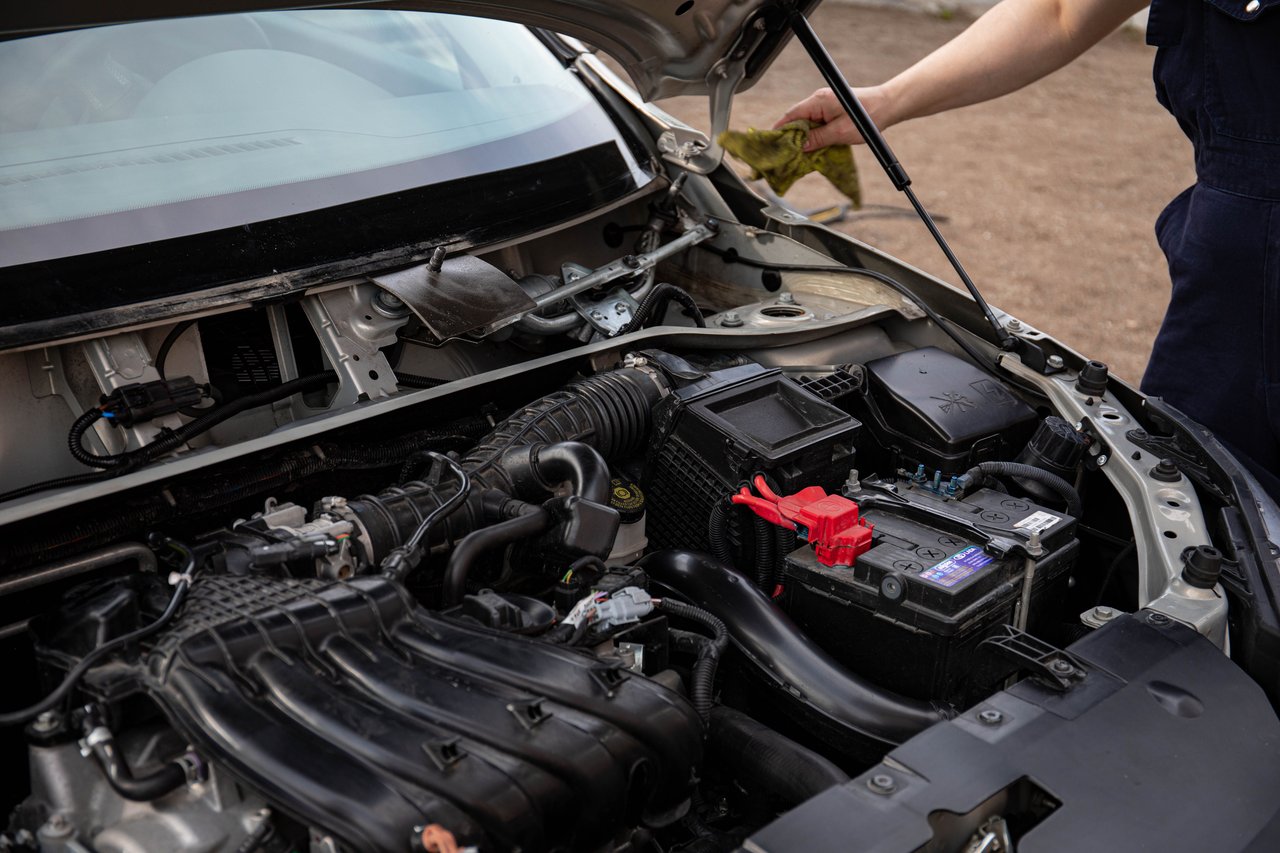
Automakers have designed EVs to be lightweight and efficient by integrating multiple systems into single assemblies. While beneficial for performance and production, this approach complicates repairs. For instance, a damaged charging port may require replacing an entire electronic module instead of a small component, increasing labor and parts costs.
Similarly, battery pack repairs often involve replacing large protective structures or integrated components rather than isolated parts. These design choices, while innovative, contribute to longer repair times and higher costs, which insurers must account for when setting premiums.
As electric vehicle adoption accelerates in Wayne and Duplin counties and beyond, drivers should be aware that the initial promise of fuel savings and low maintenance may be offset by rising insurance costs. Understanding these evolving challenges is essential for consumers considering the switch to electric in 2026.