US Signs Landmark Nuclear Deal with Saudi Arabia Allowing Uranium Enrichment
The US and Saudi Arabia have finalized a historic nuclear cooperation deal permitting uranium enrichment amid rising Middle East tensions.
The White House/Flickr
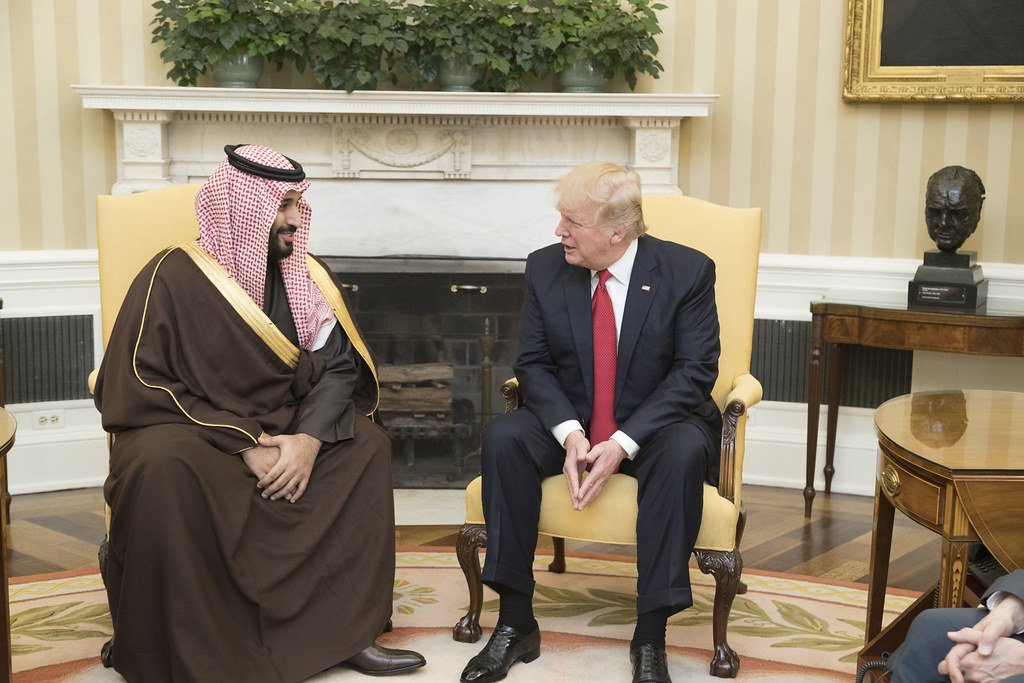
The United States and Saudi Arabia have signed a landmark nuclear cooperation agreement that allows the Gulf kingdom to develop a civilian nuclear program, including the potential for uranium enrichment. Announced on July 23, 2026, the deal marks a significant shift in US policy and aims to foster economic ties while addressing regional energy needs and security concerns.
Details of the Nuclear Cooperation Agreement
While the full text of the agreement remains confidential, officials confirm it grants Saudi Arabia the unprecedented right to enrich uranium on its own soil. This development is notable because uranium enrichment can be used both for civilian nuclear fuel and, potentially, for nuclear weapons production. The US Department of Energy described the pact as a “peaceful nuclear cooperation agreement” paired with a “bilateral safeguards agreement,” establishing legal frameworks for a partnership expected to span decades and involve billions of dollars in American commercial involvement.
Under the deal, US companies are poised to participate in building and operating nuclear facilities in Saudi Arabia, including uranium enrichment plants, signaling a major expansion of US influence in the kingdom’s energy sector. Saudi officials framed the agreement as a continuation of long-standing energy collaboration following Crown Prince Mohammed bin Salman’s visit to Washington in November 2025.
Implications for US and Regional Security
The US Energy Department emphasizes that the agreement upholds stringent nuclear safety and nonproliferation standards, relying on advanced American technology and expertise. Secretary of Energy Chris Wright stated the deal would enhance both US and regional security interests, while strengthening America’s competitive edge in civil nuclear technology worldwide.
However, experts warn the deal could increase the risk of nuclear proliferation in an already volatile Middle East. Allowing Saudi Arabia to enrich uranium—something the US has never permitted for any other country—raises concerns about the kingdom’s potential to eventually develop nuclear weapons, particularly given its tense rivalry with Iran. Saudi Crown Prince Mohammed bin Salman has previously indicated that Saudi Arabia would pursue nuclear arms if Iran were to obtain them.
Reactions from Allies and Experts
Israel, the US’s closest Middle Eastern ally, has voiced cautious acceptance. Israeli Economy Minister Nir Barkat stated that Israel could manage Saudi Arabia having nuclear power strictly for peaceful purposes. Conversely, many nuclear nonproliferation experts and former officials criticized the agreement as a risky precedent.
Rosemary Kelanic, director of the Middle East program at the US-based Defense Priorities think tank, called the deal “quite shocking,” noting the US has never before allowed uranium enrichment on foreign soil due to the proliferation risks involved. The agreement is expected to face opposition in the US Congress, but with Republicans controlling both chambers and the backing of President Donald Trump, opponents currently lack the votes to block it.
Context Amid Rising Middle East Tensions
The announcement comes amid escalating conflict between the US and Iran. Saudi Arabia, a long-time US ally hosting several US military bases, has been targeted in recent Iranian attacks. Just days before the deal’s announcement, Iran-backed Houthi forces in Yemen declared a maritime blockade against Saudi Arabia, heightening regional tensions.
The nuclear agreement also unfolds against the backdrop of ongoing US-Israeli efforts to prevent Iran’s nuclear ambitions, which Tehran denies. The deal notably did not require Saudi Arabia to extend diplomatic recognition to Israel, a point of contention in previous US diplomacy in the region.
As the agreement moves to Congress for review, it signals a major pivot in US nuclear policy that could reshape the balance of power and energy cooperation in the Middle East for decades to come.