Supermarket Shortages Loom: Key Foods at Risk Due to Drought Impact in 2026
Severe drought in 2026 is threatening staple foods like potatoes and brassicas, raising concerns of shortages and higher prices in supermarkets.
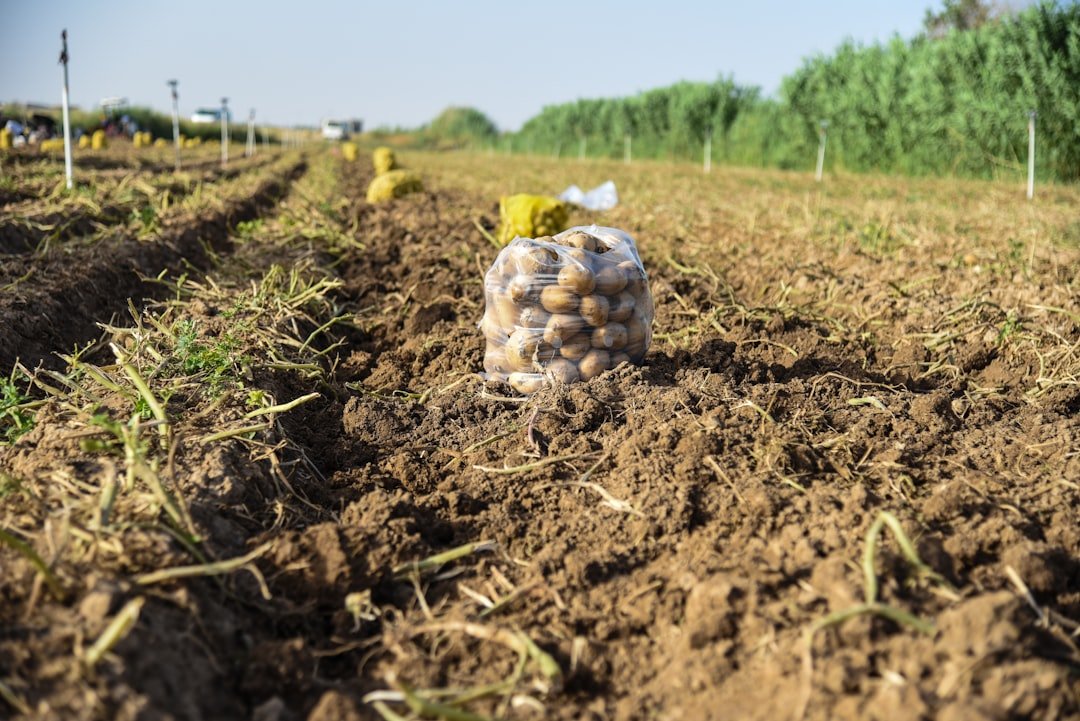
Diyar Bakir Wahab/Unsplash
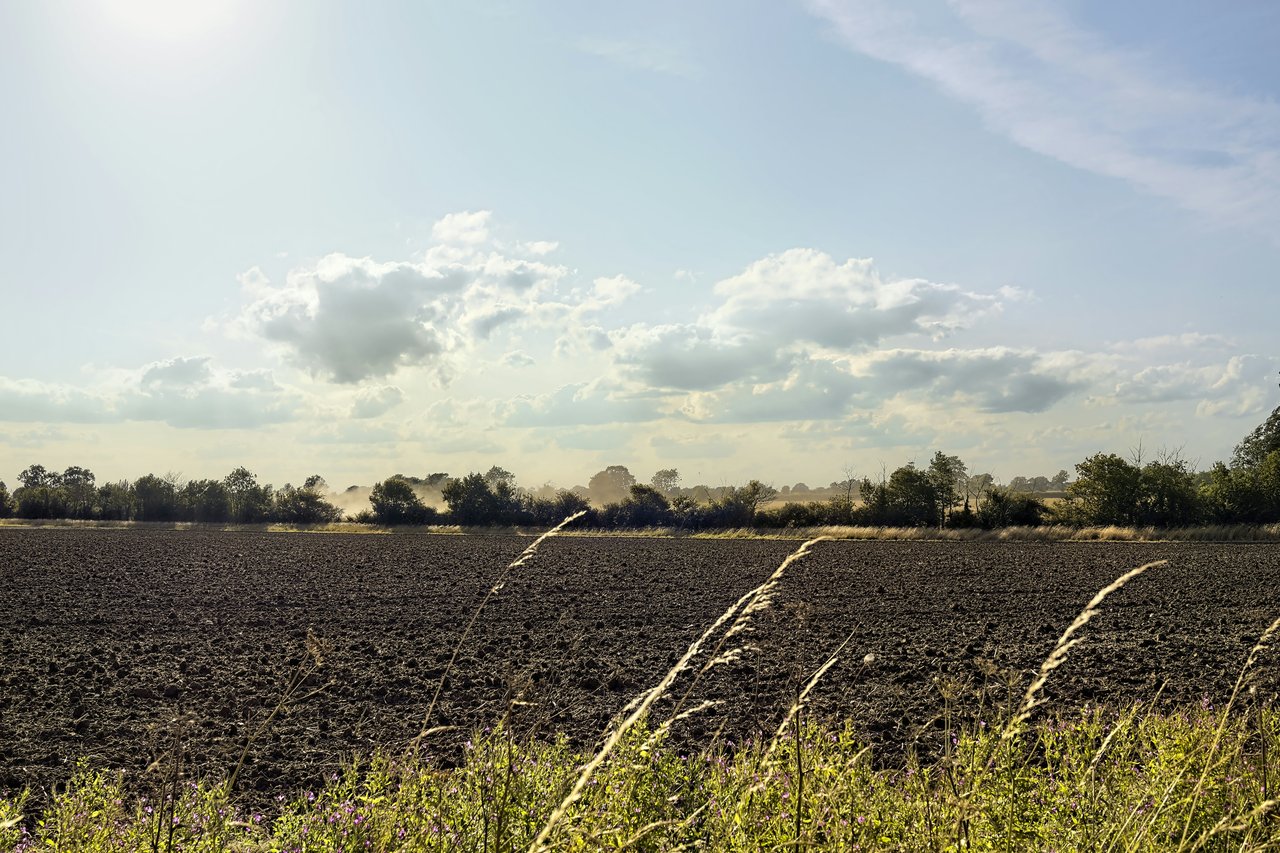
As the summer of 2026 progresses, farmers across the UK are warning that supermarket shelves could soon face shortages of essential foods. Severe drought and water restrictions, especially in southern and eastern England, have severely impacted the growth and yield of staple crops such as potatoes, Brussels sprouts, broccoli, and other brassicas. These conditions are not only threatening availability but also driving up prices, with effects that could ripple through to shoppers across Wayne County, Duplin County, and North Carolina, where many imported goods originate.
Drought Conditions Threaten Potato Harvests
Potatoes, a cornerstone of British and global diets, are particularly vulnerable to the dry weather. This year’s drought has deprived potato crops of the water needed during their critical bulking phase. Unlike common perceptions, potatoes require substantial irrigation to grow large, even tubers favored by supermarkets. Without sufficient water, farmers report more small, misshapen potatoes unsuitable for baking, roasting, or making popular frozen chip products.
Last year’s data showed a stark split in yields depending on irrigation: well-watered fields produced over 80 tonnes per hectare, while dry fields managed just 30 tonnes. This year’s worsening drought and stricter water abstraction restrictions mean many farmers cannot irrigate at all, further jeopardizing output. While the UK harvested over 5.5 million tonnes of potatoes in 2025 and maintained large stockpiles, the quality and size of this year’s crop may disappoint consumers expecting large, locally grown potatoes at affordable prices.
Brassicas Face Uneven Growth and Price Surges
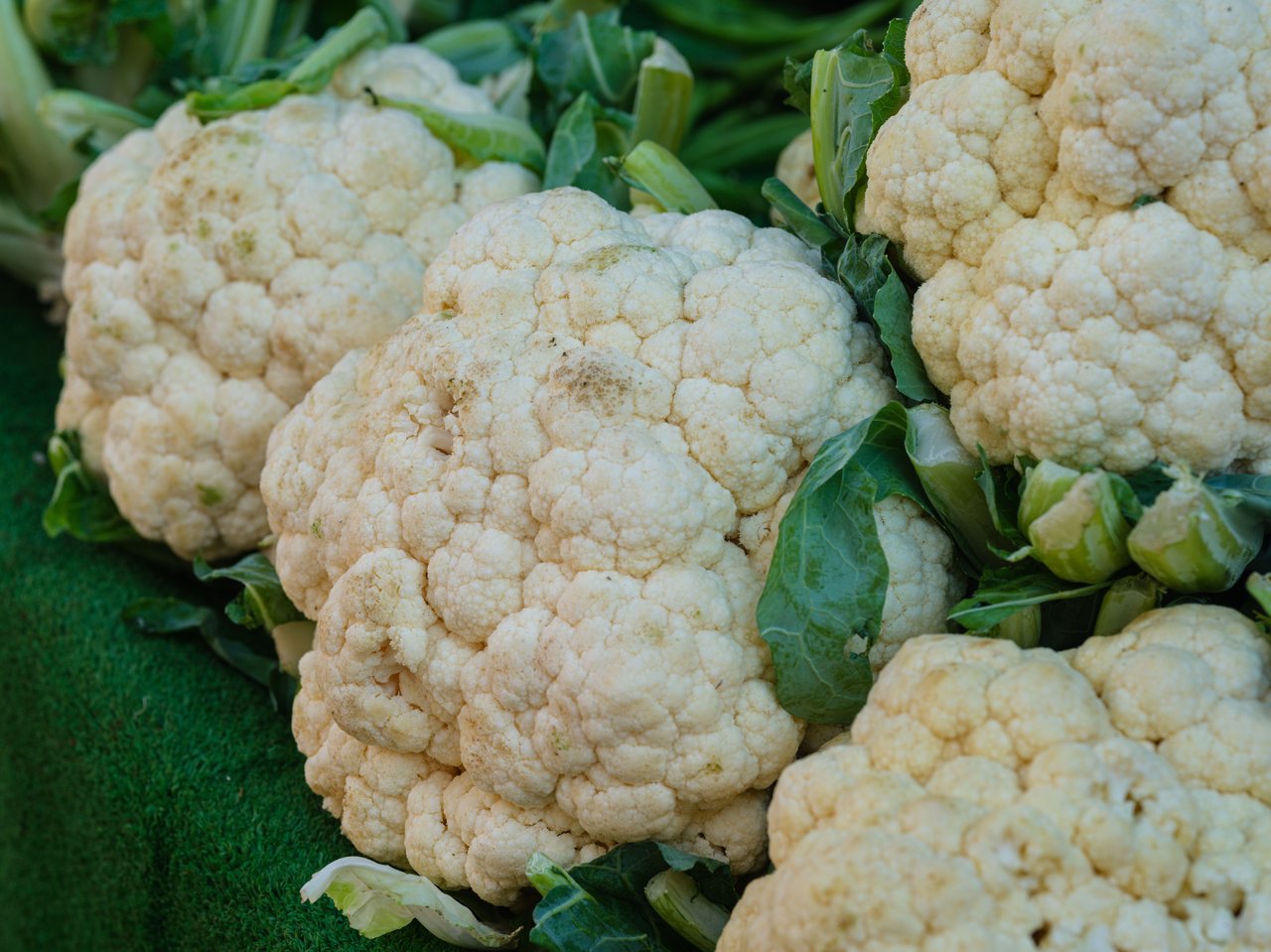
Brussels sprouts, broccoli, cauliflower, and cabbage have also been hit hard by the dry soils and limited irrigation options. Approximately 60% of Britain’s brassicas are planted in June and July for harvest in autumn and winter, making this summer’s drought particularly damaging during their establishment phase. Many plants in drought-stricken soils have grown unevenly or failed to thrive, even though farmers expanded acreage in hopes of offsetting losses.
Lincolnshire, a key brassica-growing region, faces unique challenges. Local groundwater is often too saline for irrigation, leaving farmers reliant on unpredictable rainfall. This limitation means that despite some recent rain, plants that struggled to establish early in the season may never reach full potential.
Consequently, producers saw broccoli yields fall by 16% and cauliflower production drop by 11% last year, with similar or worse impacts anticipated in 2026. Wholesale prices have already reacted: cauliflower prices increased from £0.89 to £1.62 per head compared to this time last year, while broccoli prices surged from £1.96 to £2.91 per kilogram within just a month. These price hikes reflect how quickly field challenges translate into supermarket costs.
Water Scarcity and Irrigation Restrictions Compound Problems
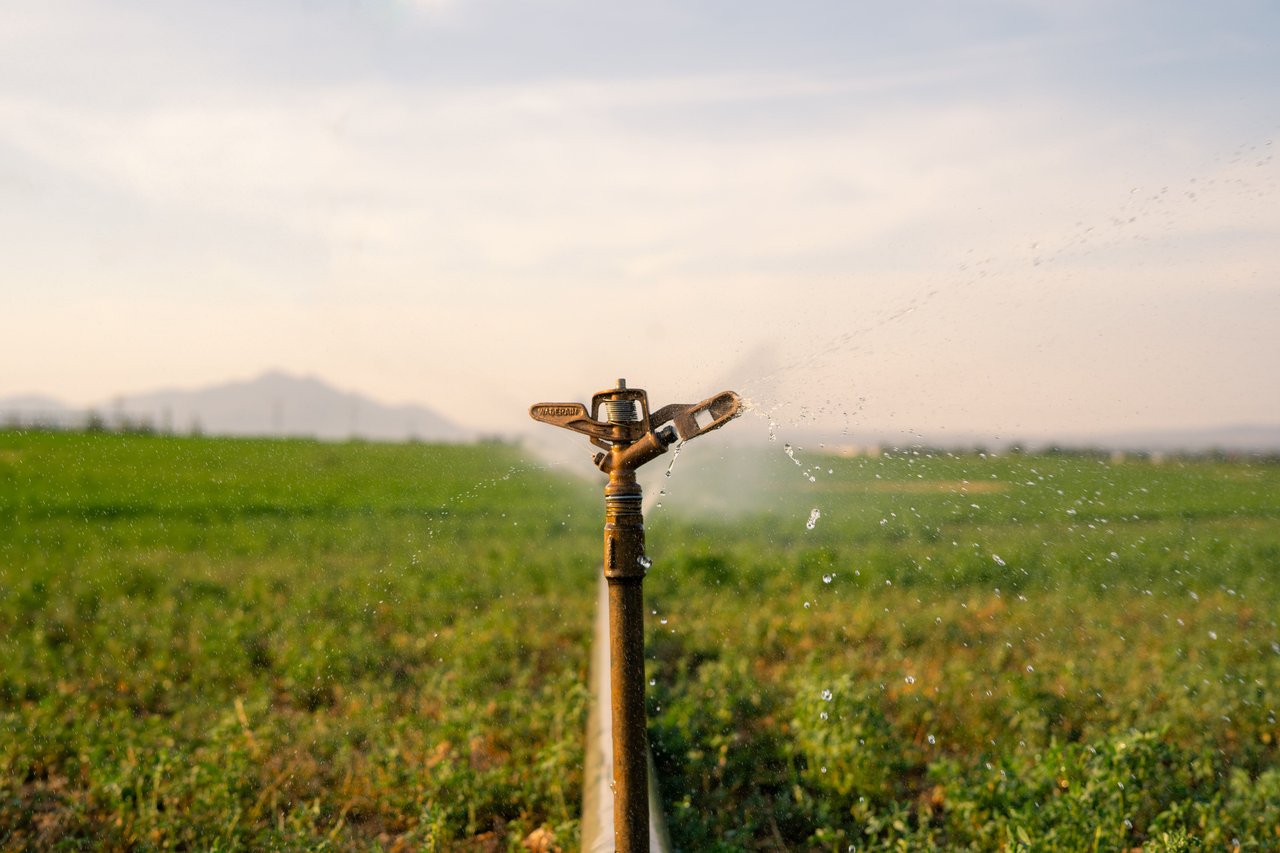
One of the less obvious but critical issues is water access itself. More than 1,300 restrictions on water abstraction licenses have been imposed in England this summer, nearly double compared to the previous week. These rules prevent farmers from drawing water from rivers and reservoirs, many of which are at 30-50% capacity due to the dry winter and persistent heatwaves.
Even farms located near water sources face challenges if they lack infrastructure like reservoirs or pumping equipment, which are expensive to install and operate. This uneven access means two neighboring farms under the same clear skies can have drastically different harvests, complicating supply chain planning for supermarkets and food processors.
What This Means for Shoppers and the Holiday Table
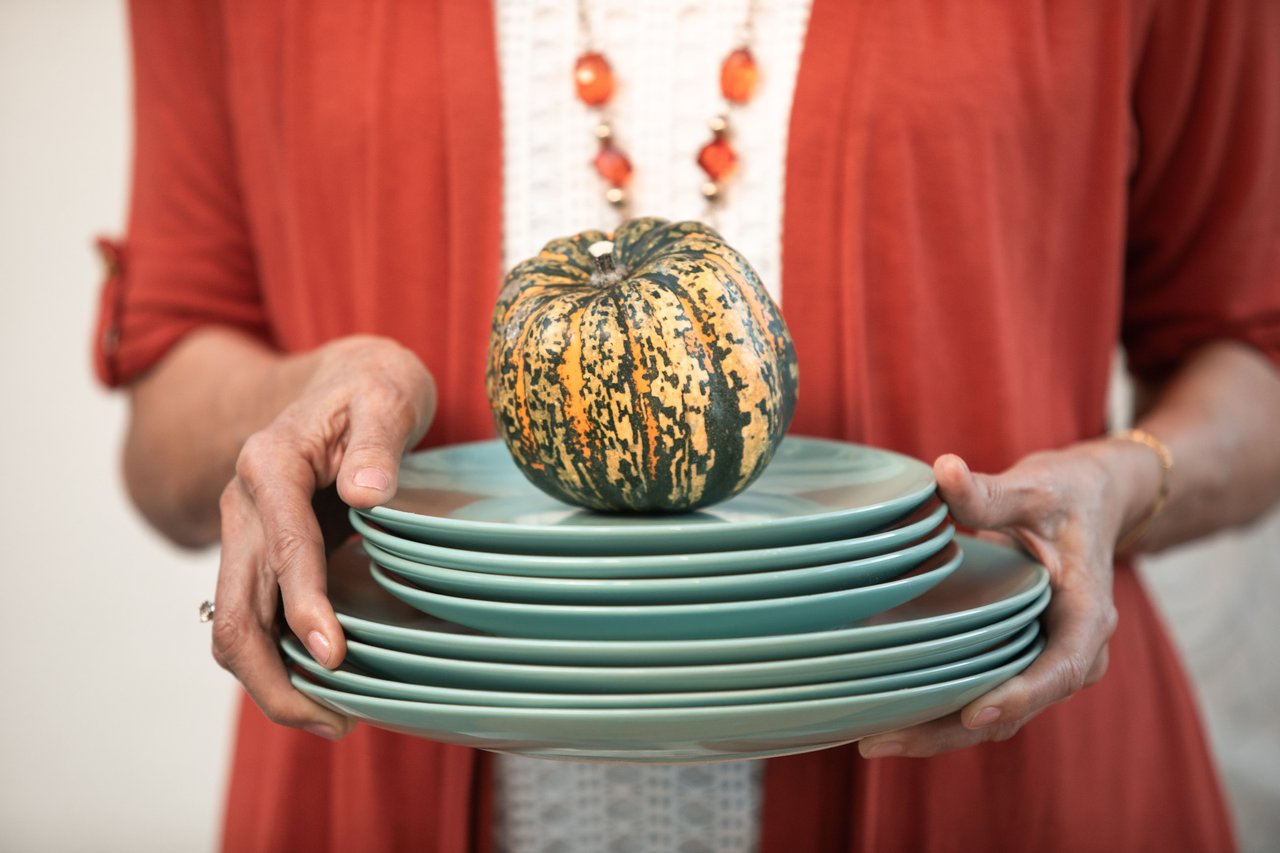
While the UK’s substantial potato stocks and imports from abroad offer some buffer, the supply chain is strained. Shoppers should expect smaller potatoes, higher prices, and potentially less British-grown produce on supermarket shelves throughout the remainder of 2026. The impact on Christmas staples like Brussels sprouts is particularly concerning, as the drought affects crops intended for late-year harvests.
Increased prices and shortages may also affect processed foods reliant on these vegetables, such as frozen chips and ready meals, many of which are imported into the United States and distributed locally. Consumers in Wayne and Duplin counties should prepare for tighter grocery budgets and consider alternative vegetables less affected by drought conditions.
Ultimately, the drought of 2026 is a stark reminder that water scarcity is more than an environmental issue—it directly influences food availability and affordability. Farmers, retailers, and consumers alike face uncertainties as the season unfolds, underscoring the critical need for sustainable water management and resilient agricultural practices.