10 Surprising US Cities Where Home Prices Are Actually Falling in 2026
Despite a flat national market, these 10 US cities are seeing home prices fall in 2026—most aren’t where you’d expect.
Michael Tuszynski/Pexels
While much of the US housing market remains stable in 2026, several cities are bucking the trend with notable price declines. Contrary to popular belief, it’s not the Rust Belt but Sun Belt boomtowns and a few unexpected metros where home values are sliding. Here are 10 US cities where home prices are actually falling this year—and many might surprise you.
1. Cape Coral–Fort Myers, Florida
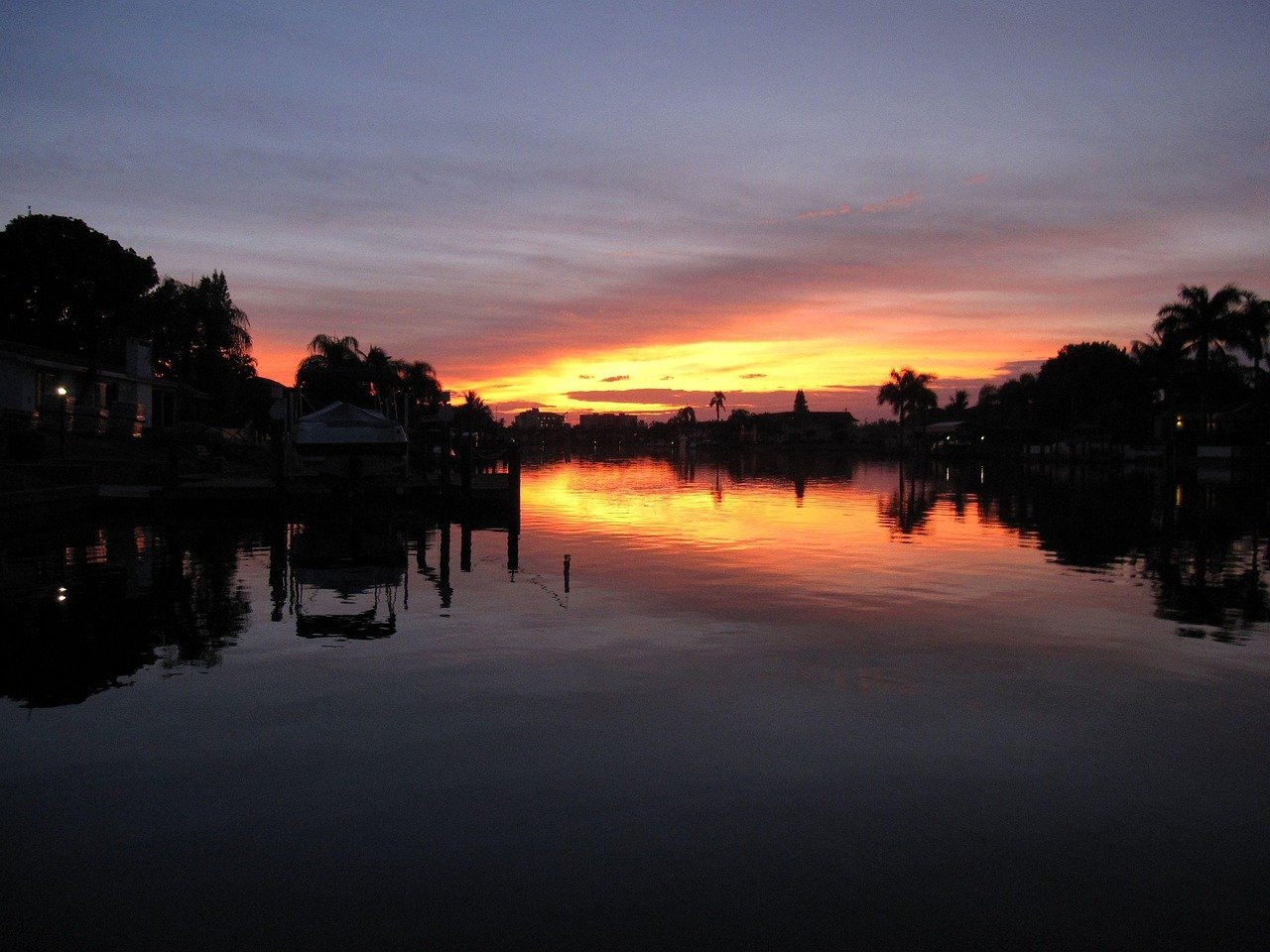
Cape Coral–Fort Myers tops the list as the hardest-hit major metro in the country. Median home prices have dropped nearly 9% year over year, falling to about $341,250. This decline is largely driven by pandemic-era overbuilding combined with soaring homeowners’ insurance costs and increased hurricane risks, which have rendered many properties nearly uninsurable. Realtor.com projects this trend to continue, expecting a full-year drop approaching 10% in 2026.
2. Austin, Texas
Austin, once the poster child for an unstoppable housing boom, is now seeing prices decline by 5 to 6% compared to last year. Home values have retreated roughly 28% from their 2022 peak, as the city’s aggressive expansion during the tech surge has led to oversupply. Cooling demand amid rising interest rates and inflation pressures has compounded the downward trend.
3. Punta Gorda, Florida
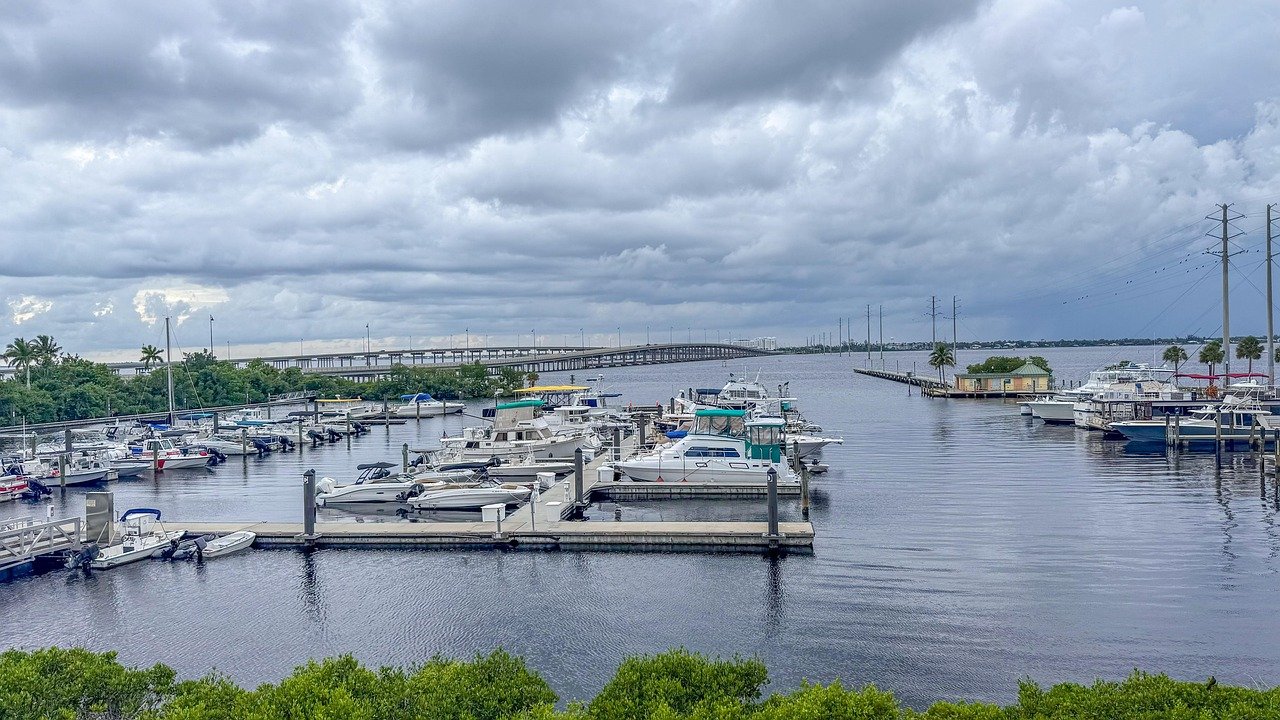
Punta Gorda is experiencing one of the steepest price drops nationwide, with home values down nearly 8% year over year. Like many Southwest Florida markets, it faces a surge in inventory paired with skyrocketing insurance costs. These factors have dampened buyer enthusiasm, pushing prices lower as sellers compete in a softening market.
4. North Port–Sarasota–Bradenton, Florida
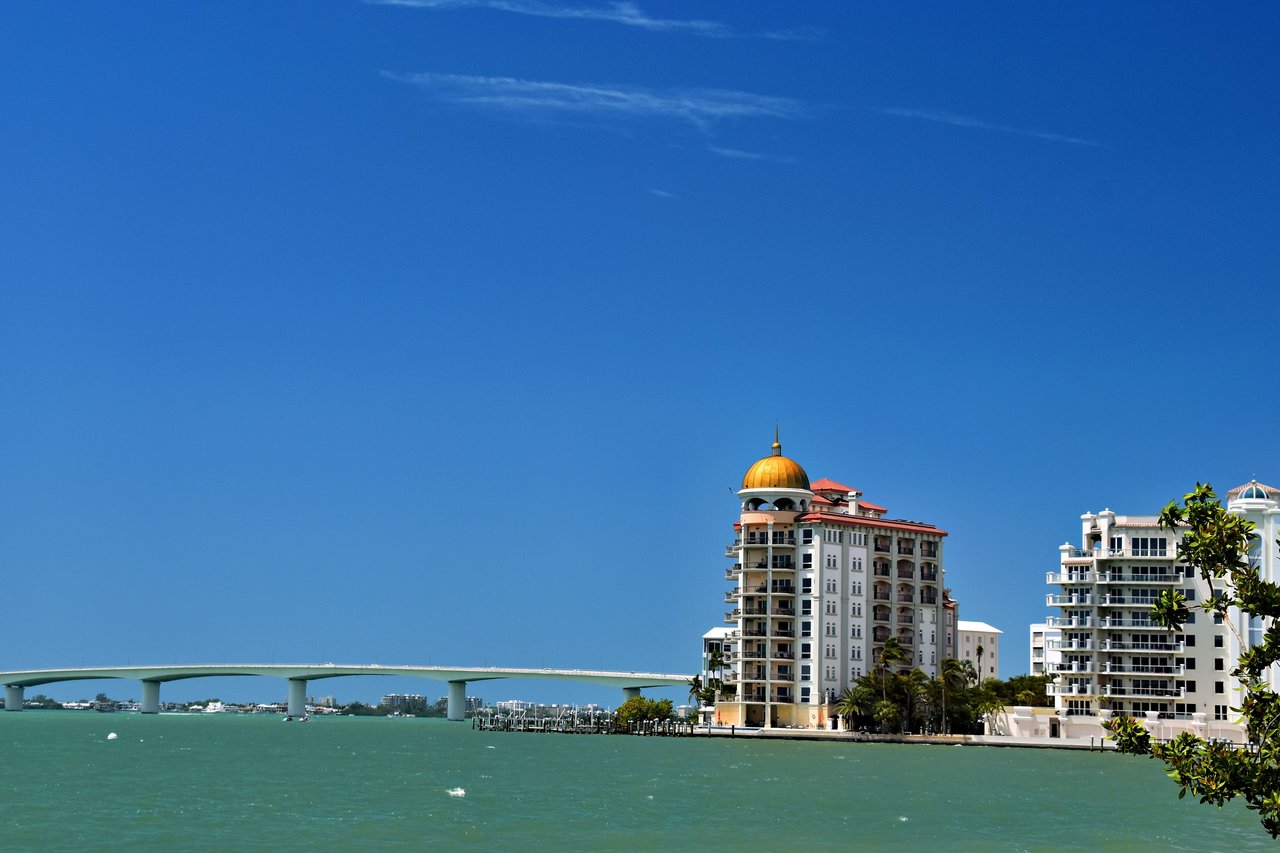
This Gulf Coast metro is also feeling the chill, with a nearly 9% price decline forecasted for 2026. The region’s active listings have surged well beyond pre-pandemic levels, shifting negotiating power toward buyers. Rising property insurance premiums and a growing supply glut are key drivers behind this pullback.
5. Oakland, California
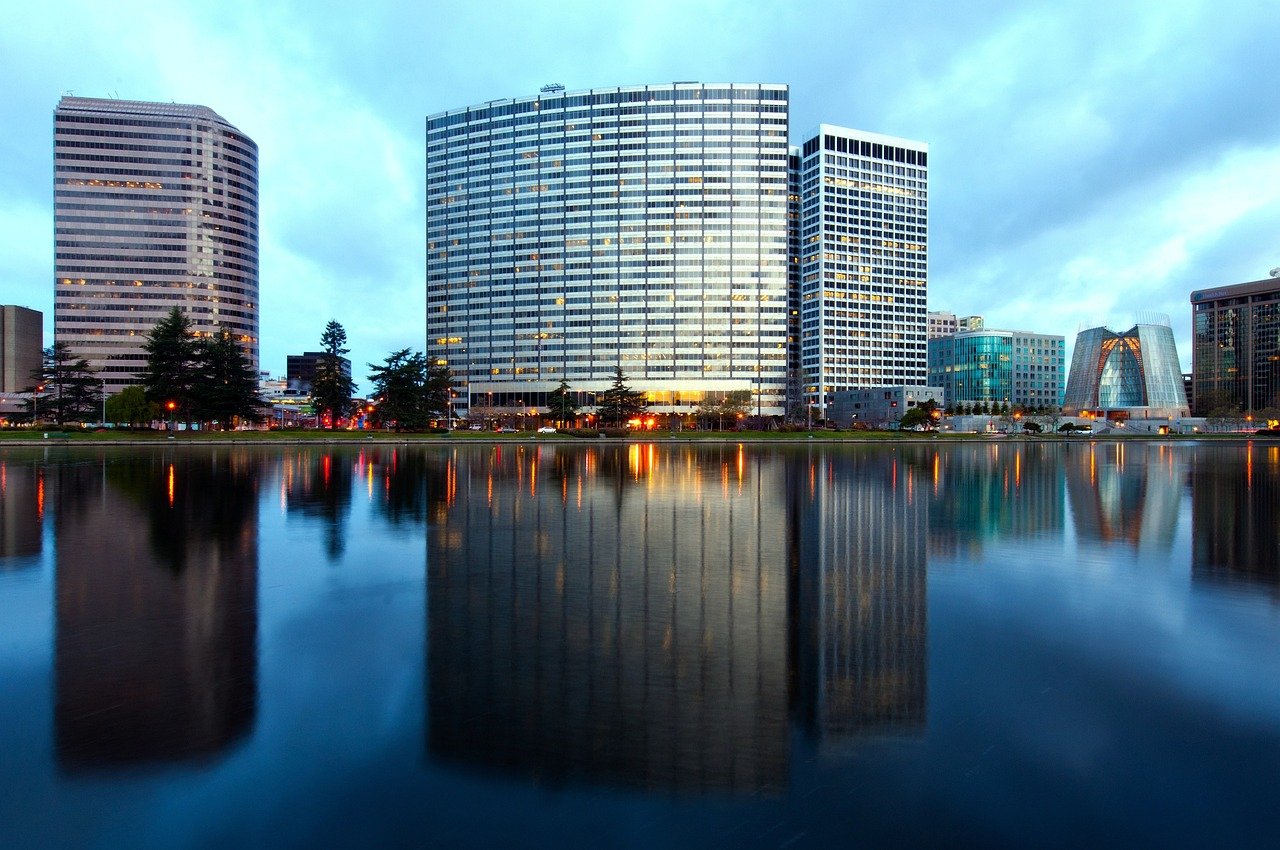
On the West Coast, Oakland leads the declines with prices down about 6.8% year over year. The affordability ceiling has finally been reached in this once red-hot market, pricing many buyers out. With limited demand and steady supply, home values have slid as residents reassess their housing options amid high living costs.
6. Naples, Florida
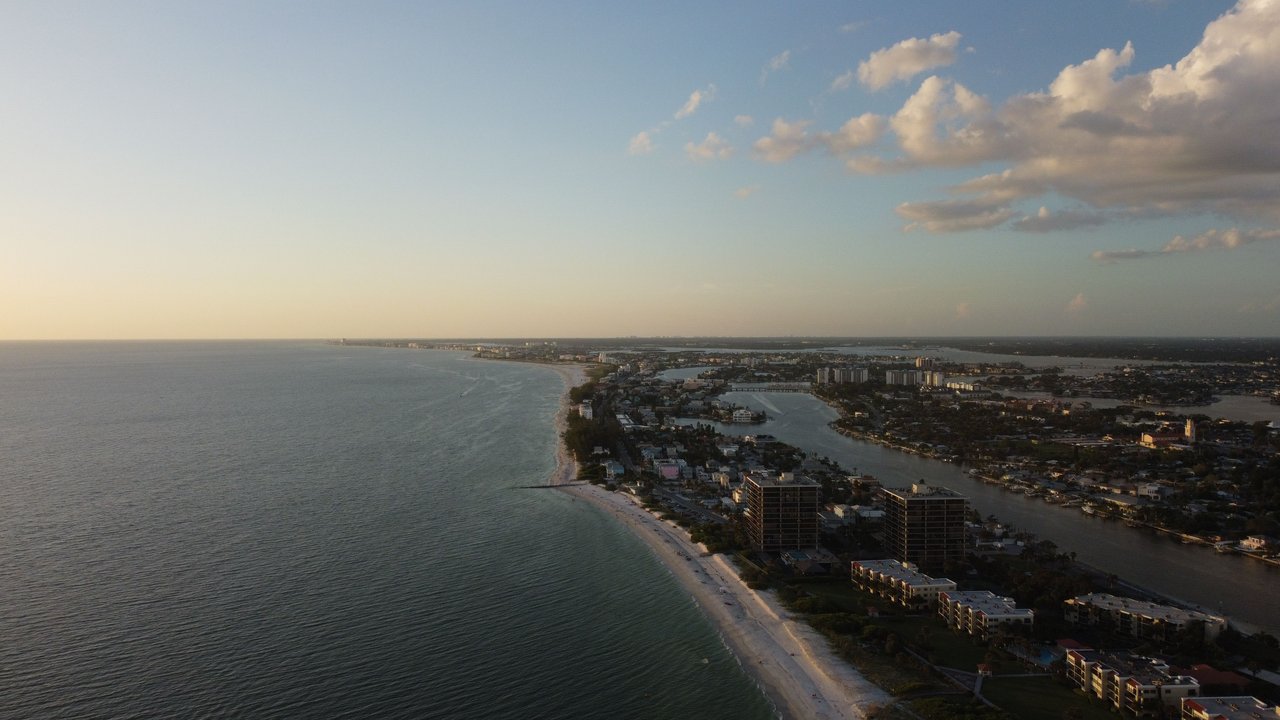
Naples’ luxury housing segment is cooling rapidly in 2026. High-end inventory has built up significantly, and the combination of soaring taxes and insurance rates is squeezing demand. This has led to consistent price drops throughout the year, signaling a shift in what was once a red-hot market for affluent buyers.
7. West Palm Beach, Florida
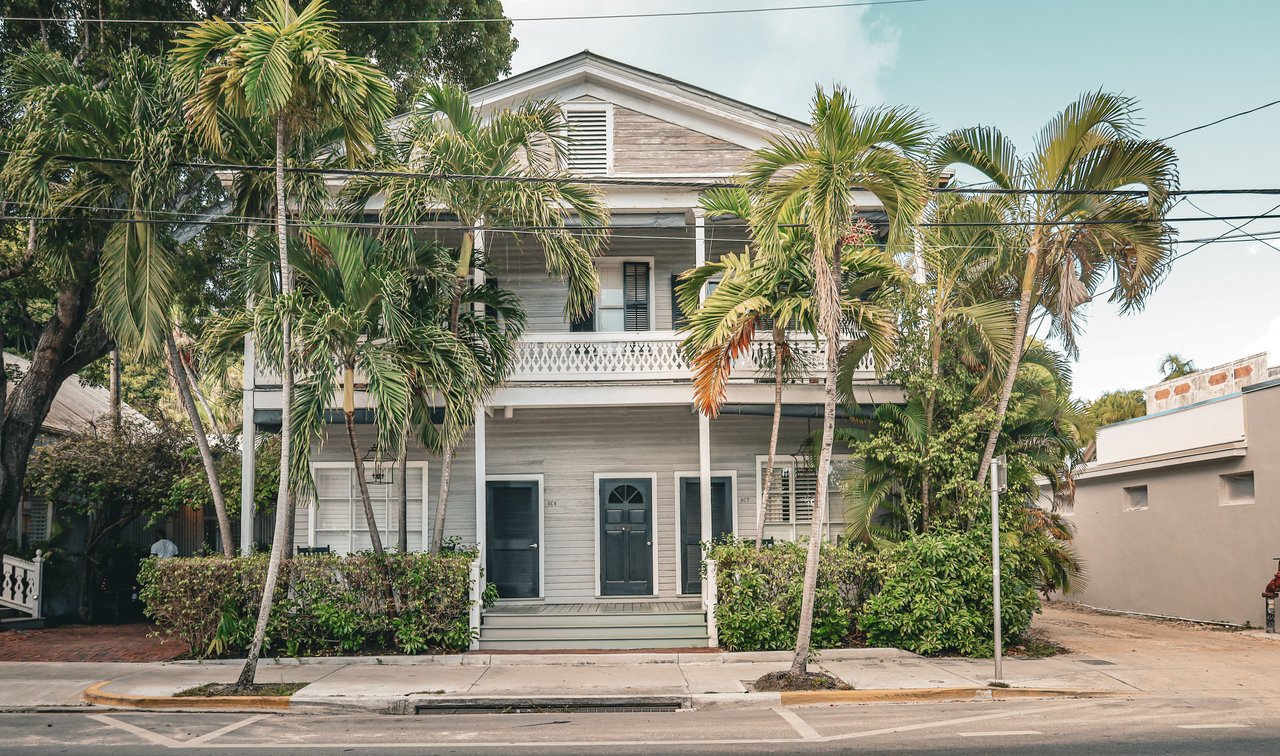
Once a major beneficiary of pandemic-driven migration from the Northeast, West Palm Beach is now seeing home prices fall roughly 5% year over year. The migration wave has slowed considerably while carrying costs—like insurance and property taxes—continue to climb, reducing buyer interest and softening prices.
8. Stockton–Lodi, California
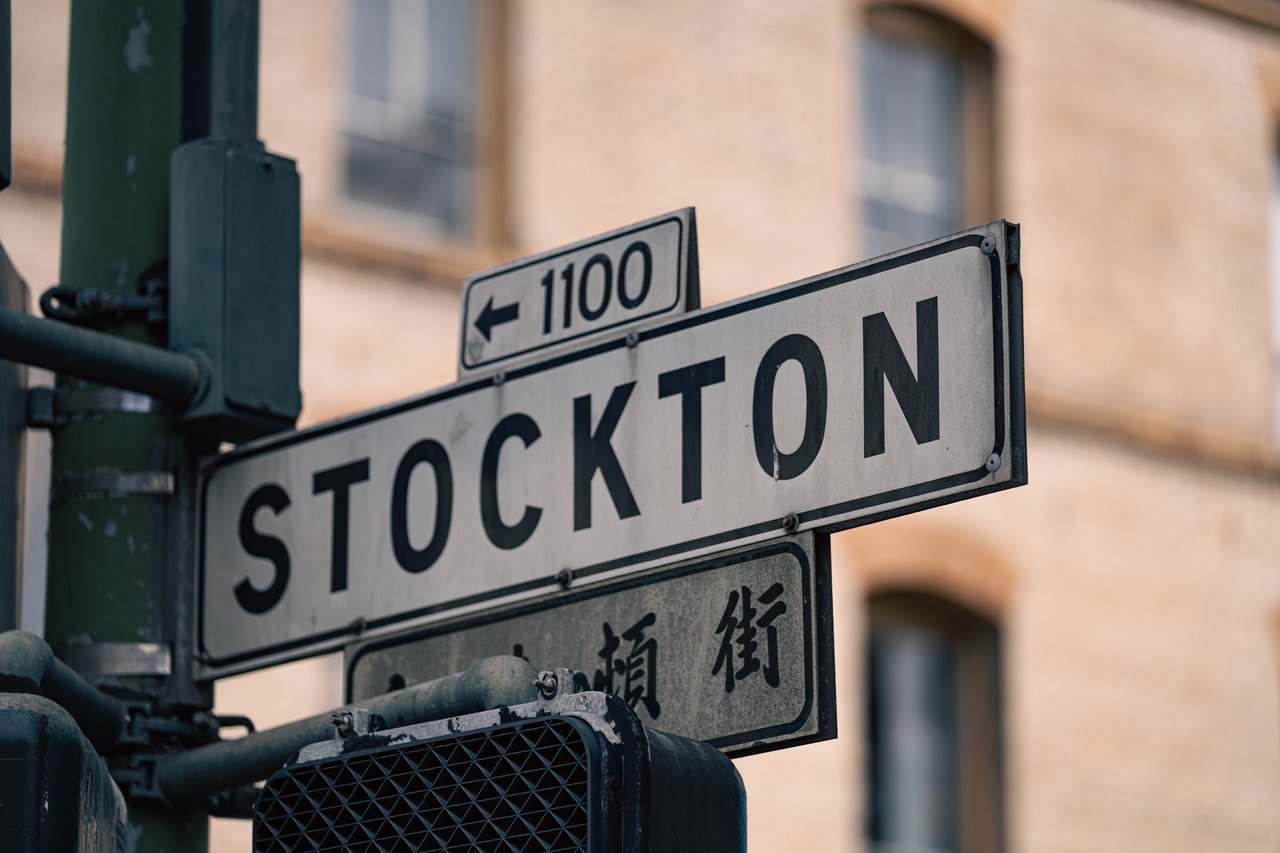
Stockton–Lodi, an inland California market, is correcting from its pandemic remote-work boom surge. Realtor.com forecasts a 4% price decline for 2026, driven by affordability challenges and rising mortgage rates. Buyers are recalibrating their expectations as the market absorbs the post-pandemic inventory influx.
9. Jacksonville, Florida
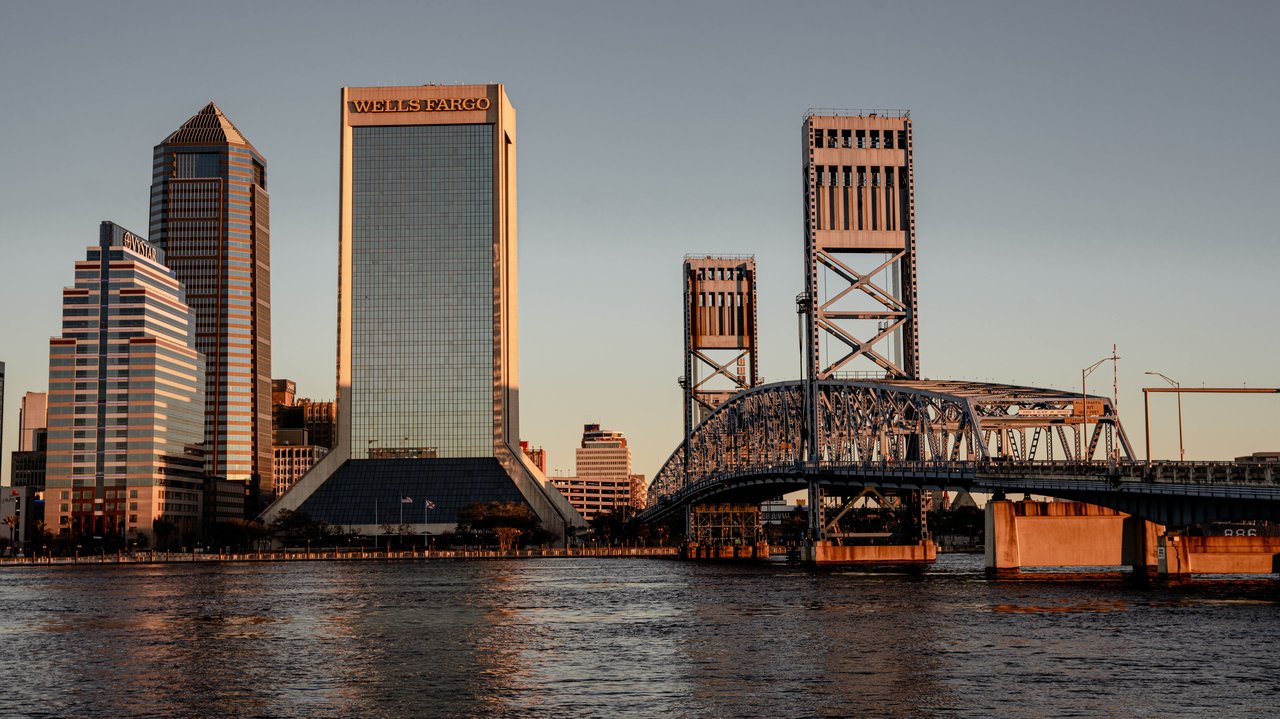
Jacksonville has seen home prices drop about 3% year over year, with rental prices falling even faster by around 12%. This steep rental decline is due to a flood of new apartment construction hitting the market, creating one of the clearest oversupply stories in the country and pressuring home values downward as well.
10. Houston, Texas
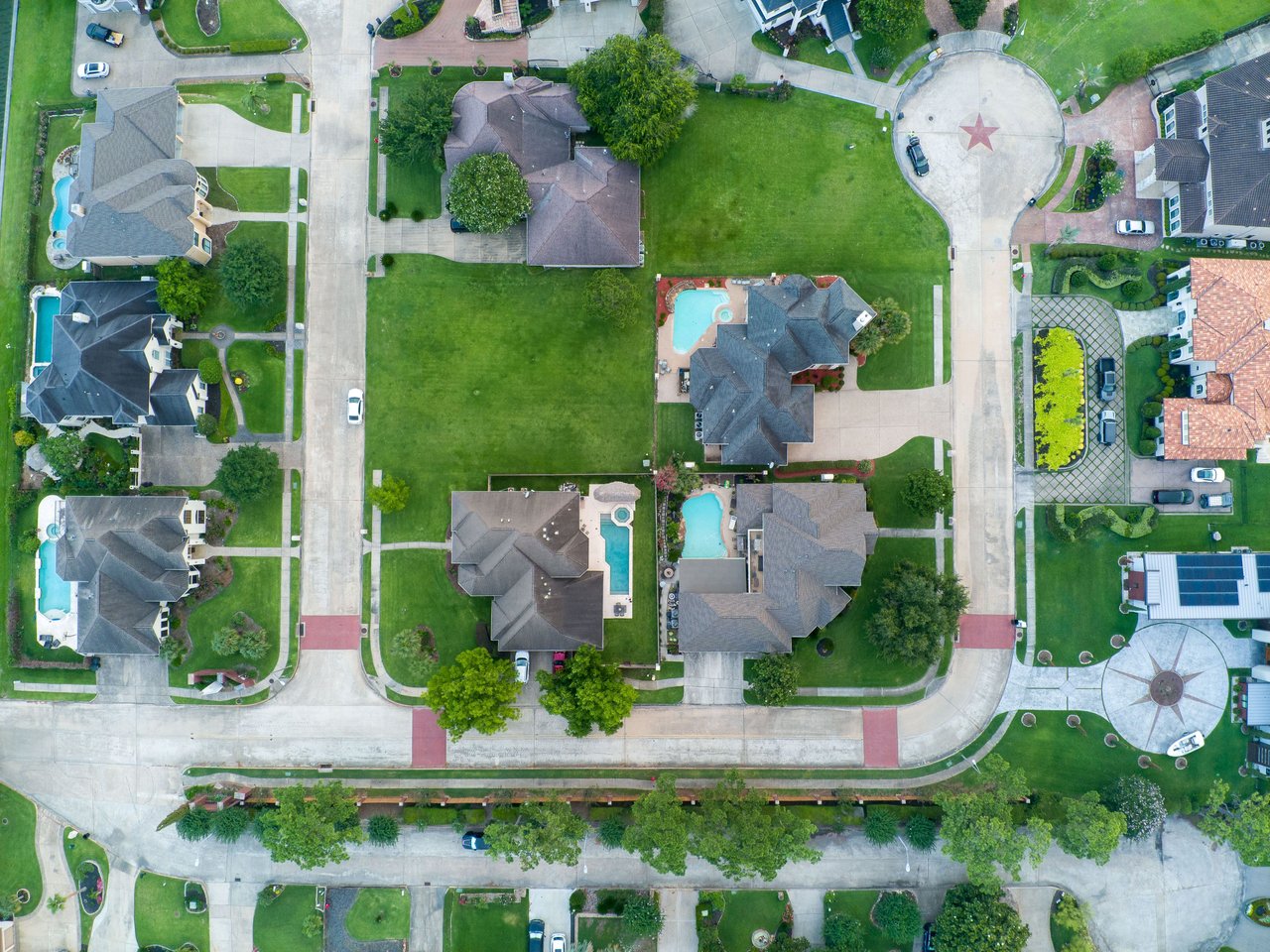
Houston’s housing market, Texas’ largest metro, is experiencing a modest 3% price decline in 2026. The city’s rapid building boom during the pandemic has resulted in more sellers than buyers, gradually pushing prices down. Despite economic strengths, the oversupply situation is cooling what was once a red-hot market.
These 10 cities illustrate how regional dynamics and overbuilding are reshaping the US housing landscape in 2026. While many Sun Belt boomtowns face falling prices due to oversupply and rising costs, several Rust Belt and smaller markets continue to see growth. For buyers and sellers alike, understanding your local market’s unique trajectory is more important than ever.