Muslim Voters Back El-Sayed Despite Clash Over Social Issues in Michigan Senate Race
Michigan Muslim voters wrestle with El-Sayed’s liberal views but still support him for stronger community representation.
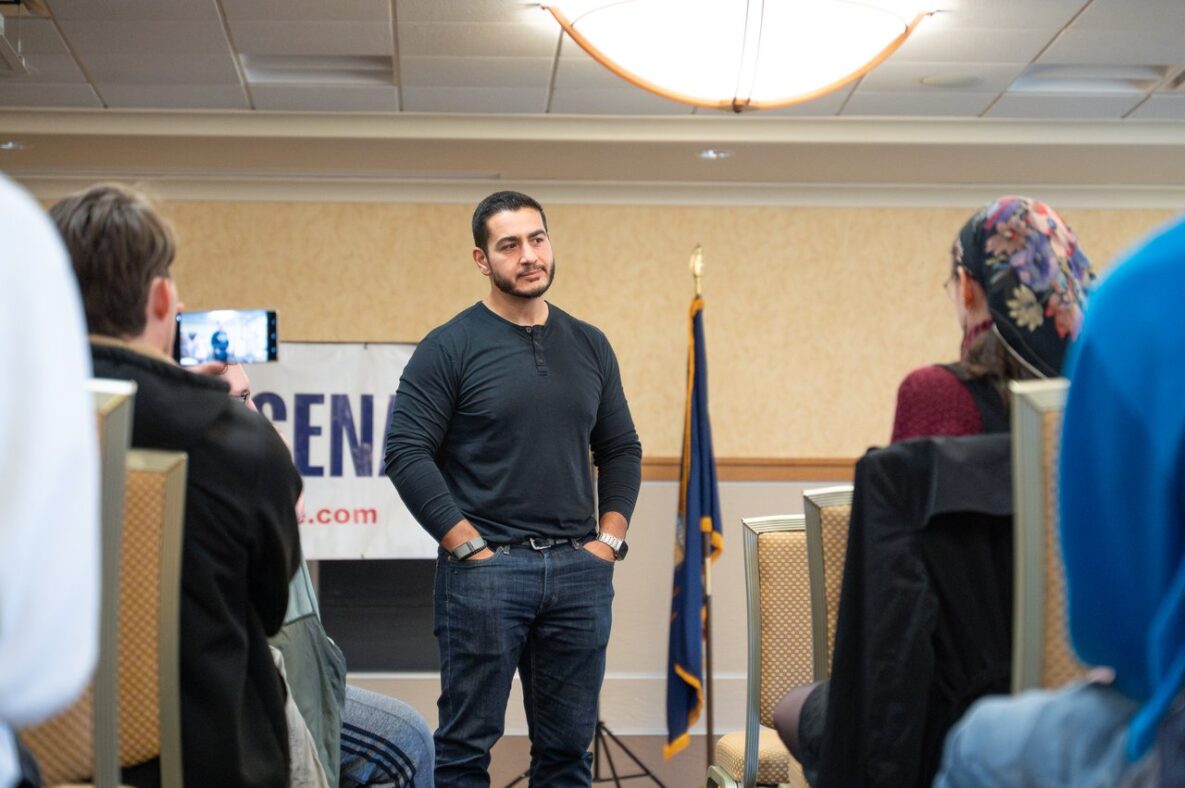
Conlan Houston/Wikimedia Commons
Abdul El-Sayed, the Democratic candidate for U.S. Senate in Michigan, faces a paradoxical mix of support and opposition among Muslim voters in the state ahead of the November 2026 midterm elections. While many in the community disagree with his liberal stances on abortion and LGBTQ rights, a significant number still plan to vote for him, prioritizing representation and broader political concerns over social issues.
El-Sayed’s Social Views Clash With Traditional Muslim Values
El-Sayed’s platform includes strong support for codifying abortion rights into law, funding Planned Parenthood, implementing LGBTQ-inclusive sex education, and permitting gender-affirming medical care for minors. These positions are at odds with the more conservative interpretations of Islamic theology held by many Muslim voters, which generally reject abortion and non-traditional gender identities.
Several attendees at the Islamic Society of North America’s (ISNA) annual conference in Detroit, where El-Sayed spoke during Labor Day weekend, expressed surprise and discomfort with his progressive social agenda. One attendee likened El-Sayed to a “male version” of Ilhan Omar, a fellow Muslim Democrat often scrutinized for her liberal views and activism.
“I don’t really think supporting LGBTQ rights or abortion is good, especially since Islam prohibits these,” said one conference participant who asked to remain anonymous. Despite these reservations, many still see value in electing El-Sayed to increase Muslim representation in government.
Community Representation Trumps Social Disagreements
For many Muslim voters, El-Sayed’s identity and community ties outweigh their disagreements on social issues. “He is a Democrat with a Muslim mask, yes, but we want him to get elected so our voices are heard,” said one attendee at ISNA. The sentiment reflects a desire for more political inclusion and influence within the state and national arenas.
Others pointed to broader concerns that have driven their support, including frustrations with the Republican Party despite their personal conservative values. A Navy veteran interviewed at the conference noted, “I voted for Donald Trump in 2024 because of values, but they have let us down on foreign policy and the economy.”
This growing dissatisfaction with the GOP’s handling of Middle Eastern conflicts and domestic issues has led some Muslim voters to look beyond party affiliation and focus on candidates who promise better advocacy for community needs.
Foreign Policy and Economic Concerns Influence Voter Choices
Several voters at the conference cited opposition to U.S. military involvement overseas and concerns about tax dollars funding foreign wars as key factors influencing their support for El-Sayed. “Where our tax dollars go matters,” said Zubin, a longtime El-Sayed supporter. “We want peace and investment here at home, not endless wars.”
President Donald Trump’s administration, now in its second term as of 2026, has maintained strong support for Israel and conducted military operations in Iran, which has caused unease among some Muslim and Arab American voters in Michigan. Trump’s 2024 election performance showed stronger support from Arab American communities than previous Republican candidates, but shifts in attitudes could impact November’s Senate race.
Political analysts warn that if Republican support wanes among Muslim and Arab American voters, it could jeopardize GOP chances to retain Michigan’s Senate seat. Meanwhile, Republicans are targeting disaffected Jewish Democrats to offset potential losses.
Generational Divide Shapes Social Issue Priorities
Some community members suggest that younger Muslim voters are more accepting of El-Sayed’s progressive stances on social issues, while older generations tend to be more conservative. This generational divide adds complexity to how the candidate’s platform is received within the Islamic community.
“Social views vary by generation,” said one attendee. “While older voters may oppose LGBTQ rights or abortion, younger voters seem more open, which helps El-Sayed maintain broad support despite disagreements.”
El-Sayed’s campaign continues to navigate this nuanced landscape, balancing outreach to socially conservative voters with the demands of his progressive base.
As the Michigan Senate race intensifies, El-Sayed’s ability to hold Muslim voter support despite ideological clashes on key social issues highlights the complex interplay between identity, policy, and political strategy in today’s elections.