10 US Regions Where Climate Change Is Forcing Residents to Flee in 2026
Discover the top 10 US regions where climate change is pushing residents to relocate in 2026, reshaping communities nationwide.
Pixabay/Pexels
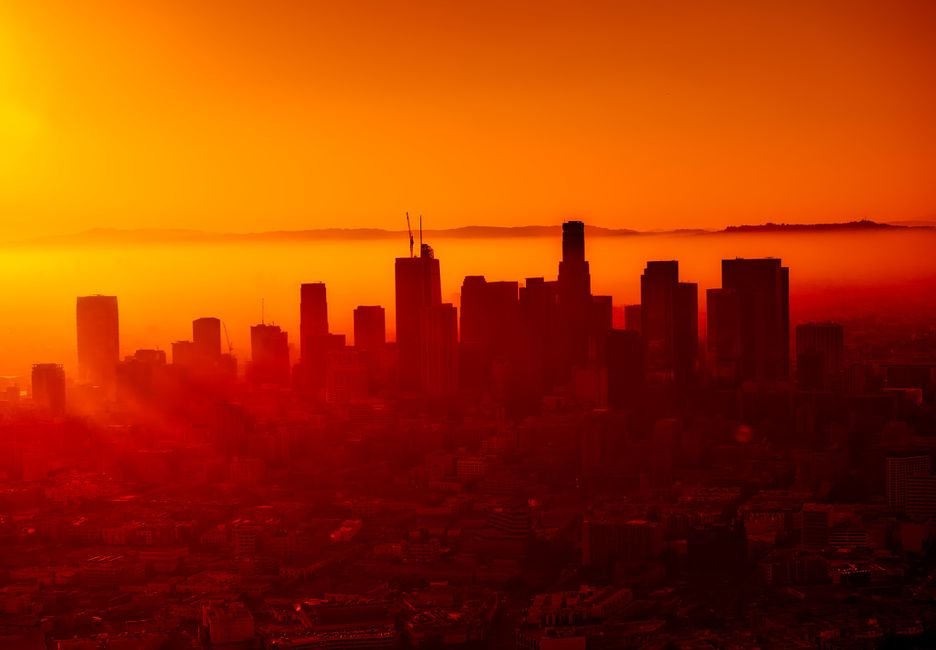
As climate change intensifies, its impact on where people choose to live is becoming undeniable. In 2026, several US regions are witnessing significant population shifts as residents move away from areas increasingly vulnerable to extreme weather and environmental changes. Here are 10 US regions where climate change is driving residents away.
1. Central California’s Central Valley
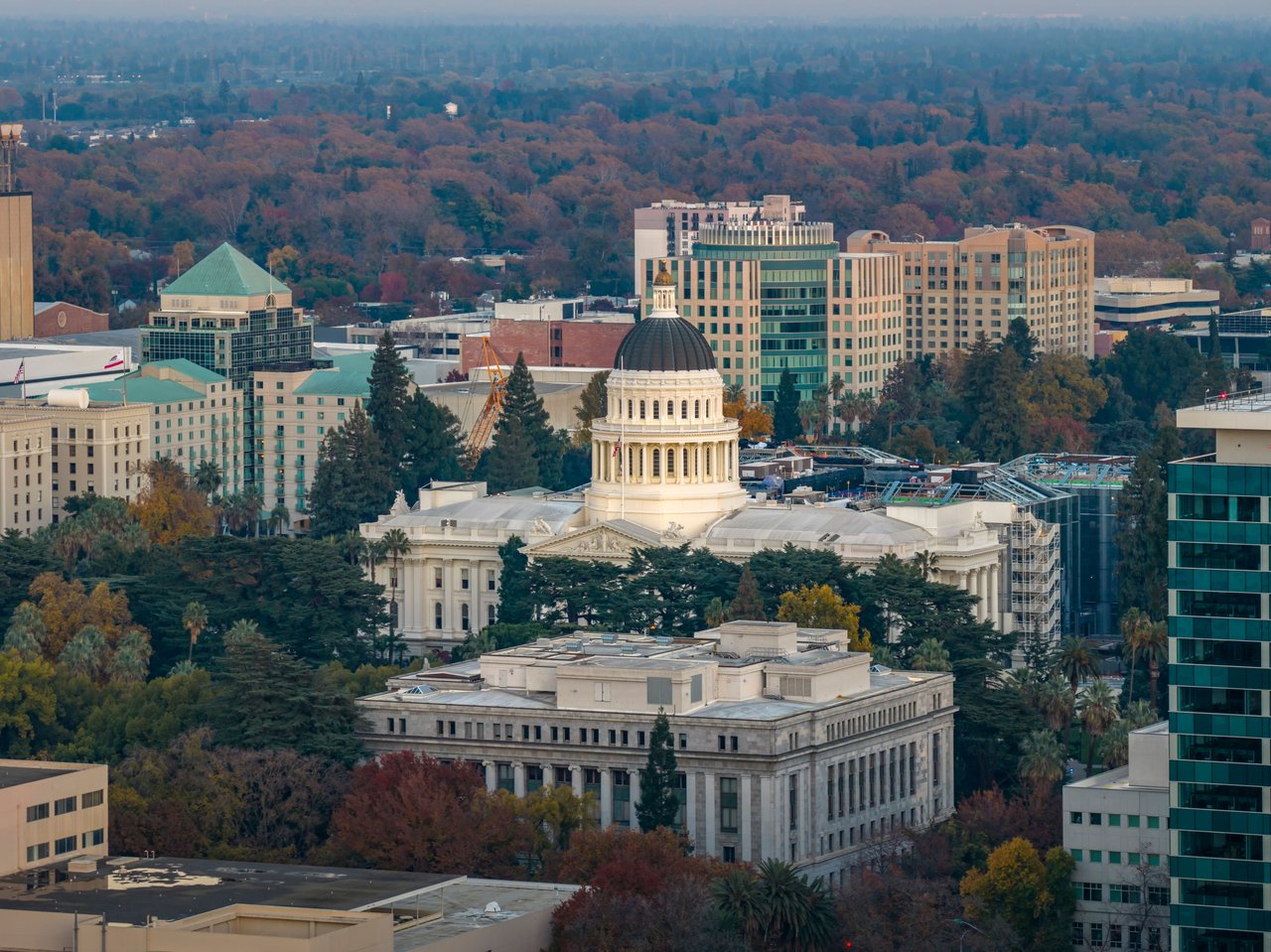
The Central Valley’s prolonged droughts and worsening heatwaves have devastated agriculture, the region’s economic backbone. In 2026, water scarcity has forced many farming families to relocate to less arid states, accelerating rural depopulation and economic decline. San Joaquin Valley’s air quality has also deteriorated due to dust from dried farmlands, further pushing residents to seek healthier environments.
2. Miami-Dade County, Florida
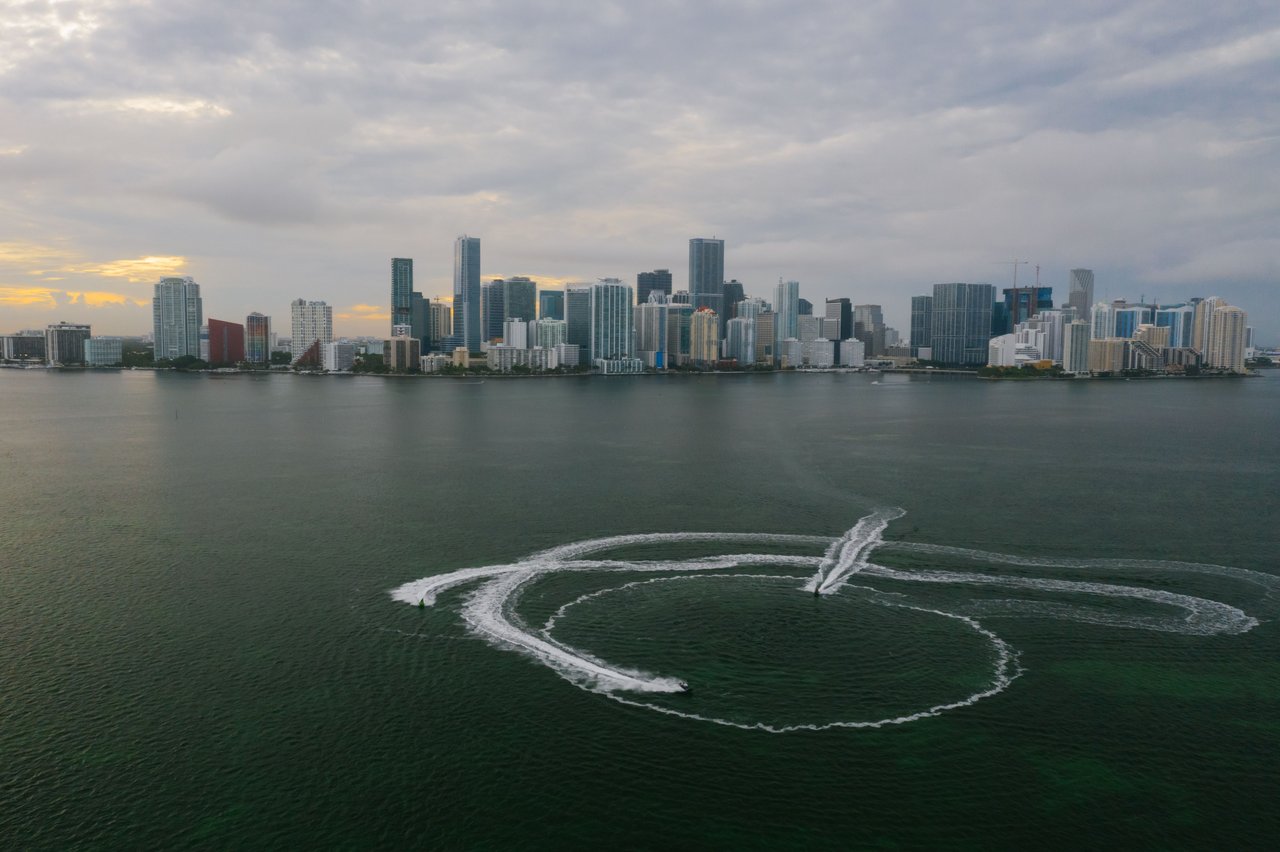
Rising sea levels and increased flooding are making Miami-Dade a hotspot for climate migration outflows. In 2026, residents face more frequent “sunny day” floods disrupting daily life and infrastructure, with many choosing to move inland or to northern states. Property insurance costs have skyrocketed, leaving homeowners with untenable financial burdens.
3. Southern Louisiana’s Coastal Parishes

Coastal erosion and hurricane damage continue to plague Louisiana’s parishes like Terrebonne and Plaquemines. In 2026, repeated storm surges and land loss have made rebuilding efforts unsustainable, prompting many residents, especially fishing communities, to abandon their homes and resettle elsewhere.
4. Phoenix Metropolitan Area, Arizona
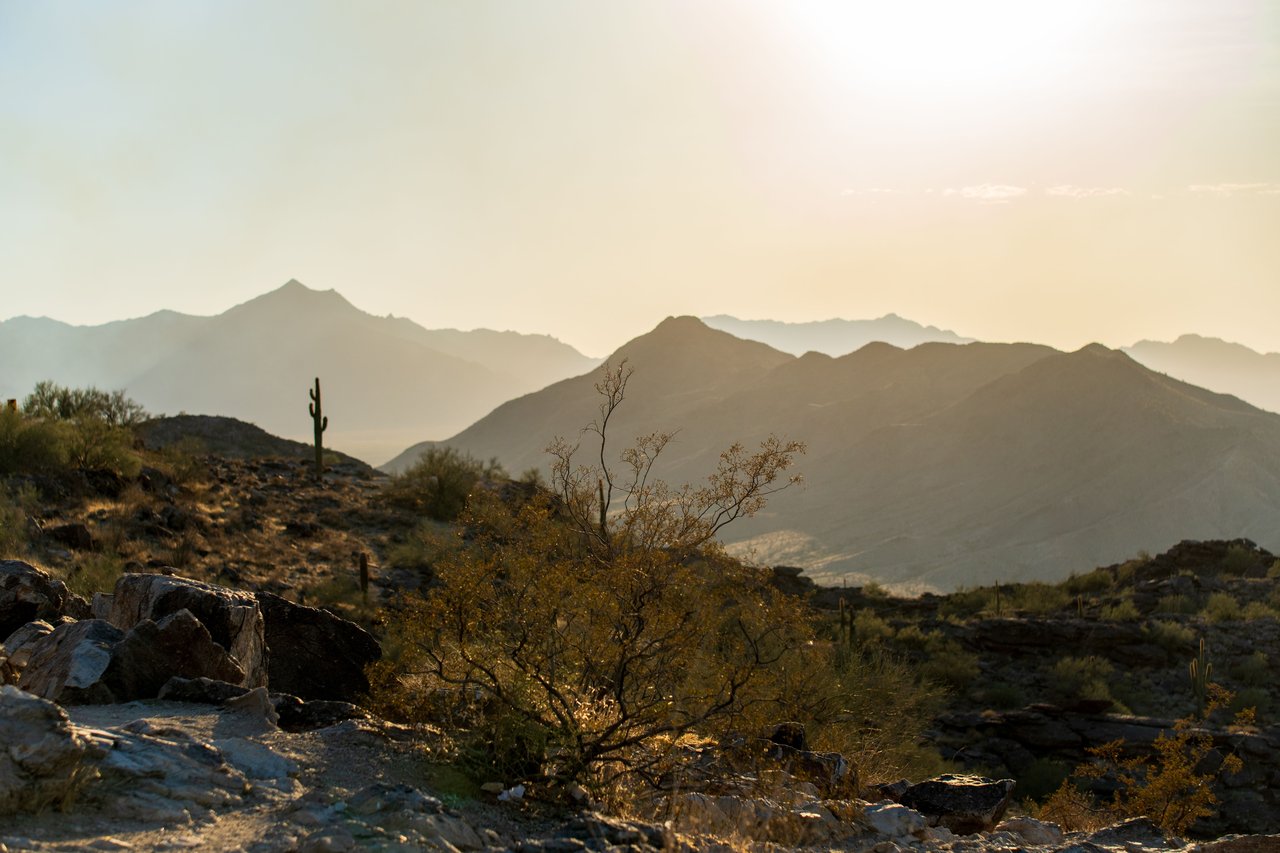
Extreme heatwaves and dwindling water supplies have made Phoenix increasingly inhospitable. By 2026, the city has seen a rise in heat-related illnesses and water restrictions, causing some residents to move to cooler, more water-secure regions, impacting local economies and straining social services.
5. Cape Cod, Massachusetts
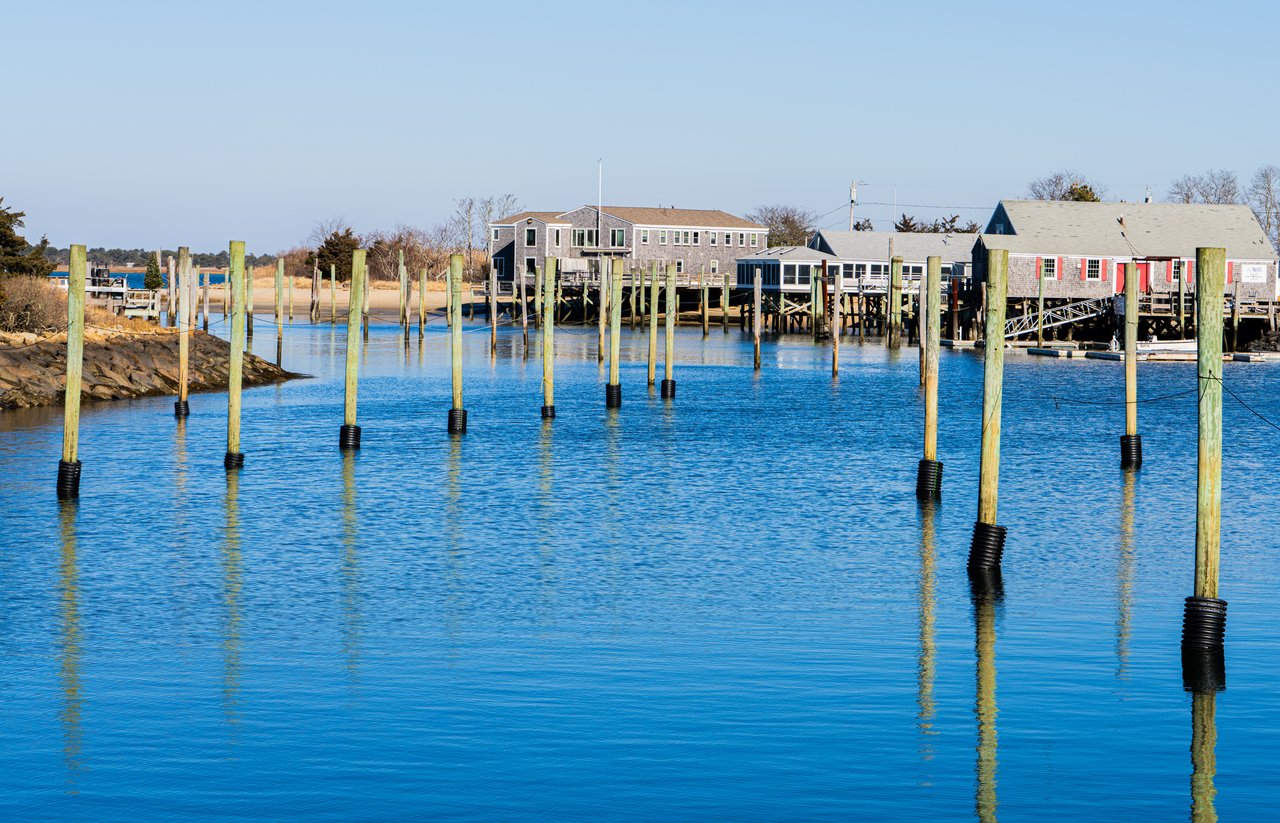
Rising sea levels and more intense nor’easters have led to frequent flooding and property damage on Cape Cod. In 2026, the high cost of flood mitigation and insurance has pushed many year-round residents to relocate to less vulnerable inland areas, altering the seasonal community dynamics drastically.
6. Northern New Mexico’s Rio Grande Basin
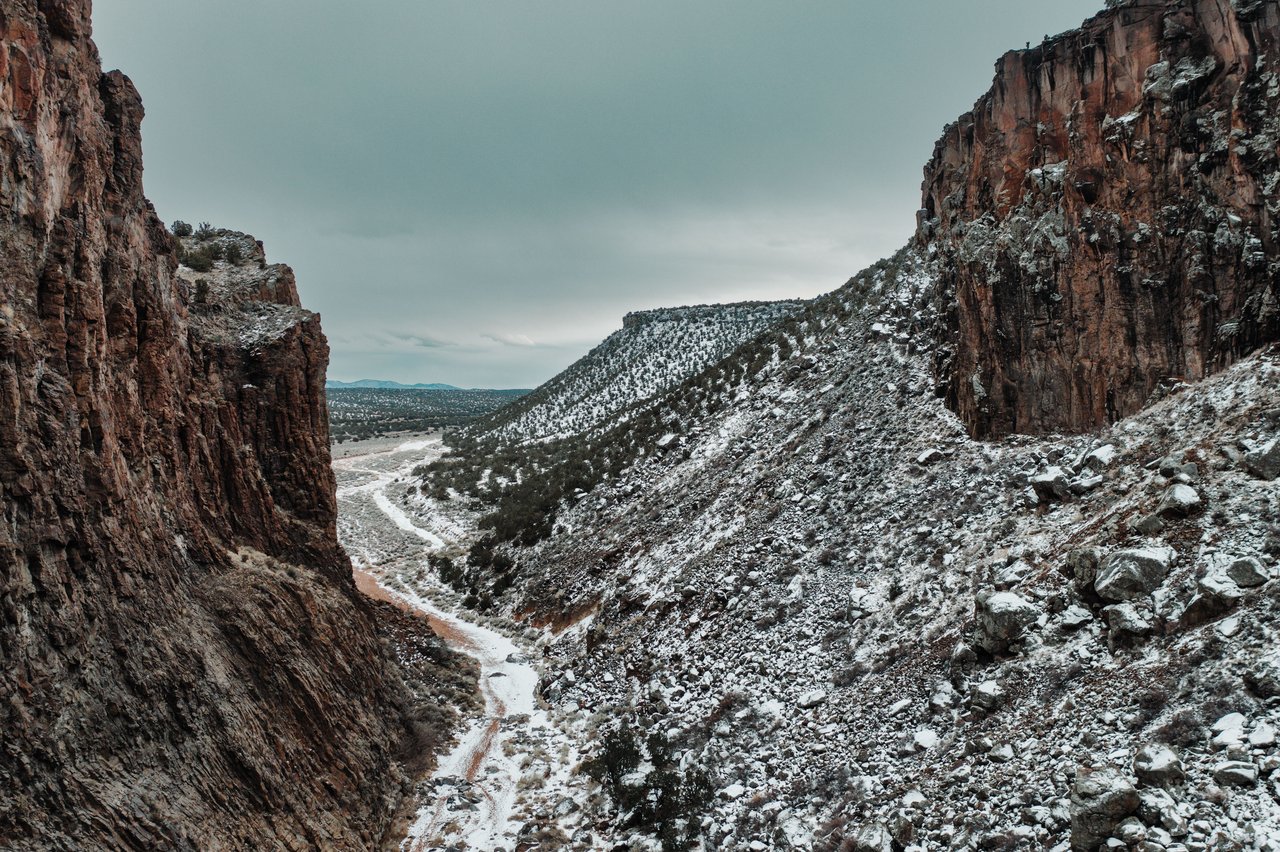
Severe drought and water shortages in the Rio Grande Basin are forcing rural communities to abandon traditional farming and ranching lifestyles. In 2026, the scarcity of water resources has led to population declines in towns like Española and Taos as residents seek more sustainable living conditions.
7. Coastal North Carolina’s Outer Banks
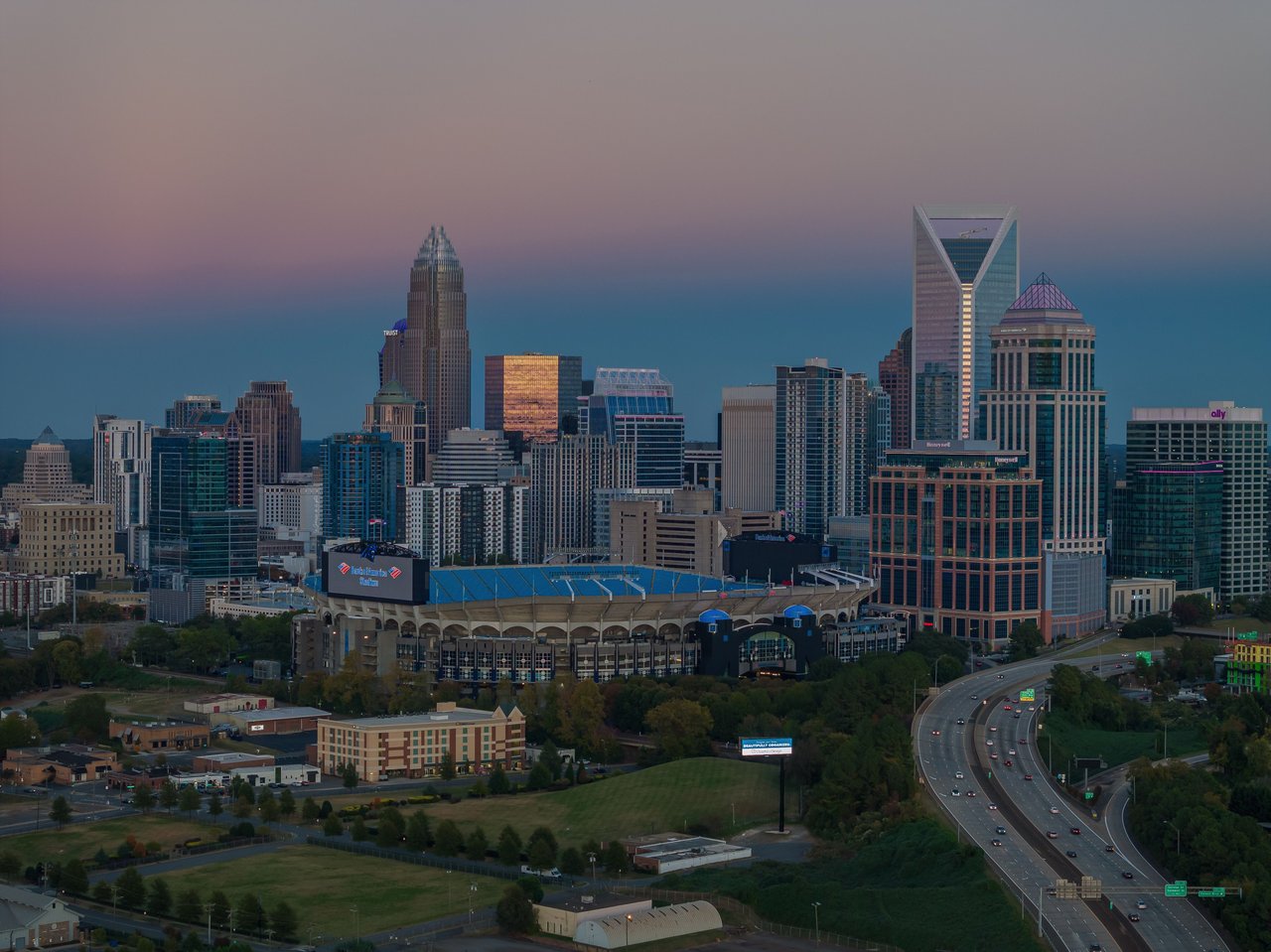
The Outer Banks face increasing threats from hurricanes and sea-level rise. By 2026, repeated evacuations and property damage have led to a growing number of permanent residents moving to inland cities, while the tourism-dependent economy struggles to adapt to the changing climate.
8. Houston, Texas
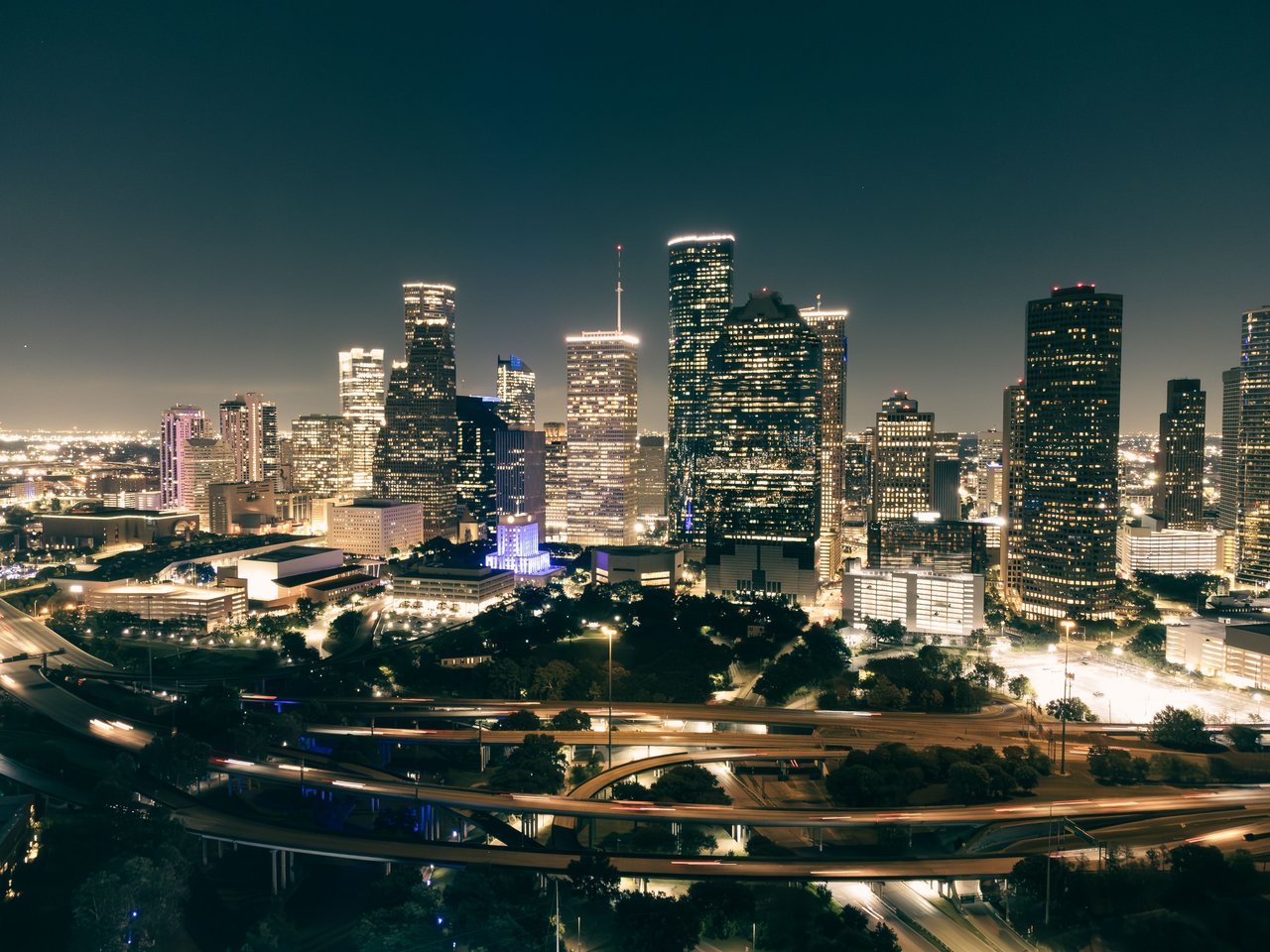
Houston’s flood-prone neighborhoods have suffered repeated damage from increasingly powerful storms. In 2026, residents in low-lying areas are relocating to higher ground as insurance premiums soar and rebuilding efforts falter, reshaping demographic patterns across the metropolitan area.
9. The Northern Great Plains (Dakotas and Nebraska)
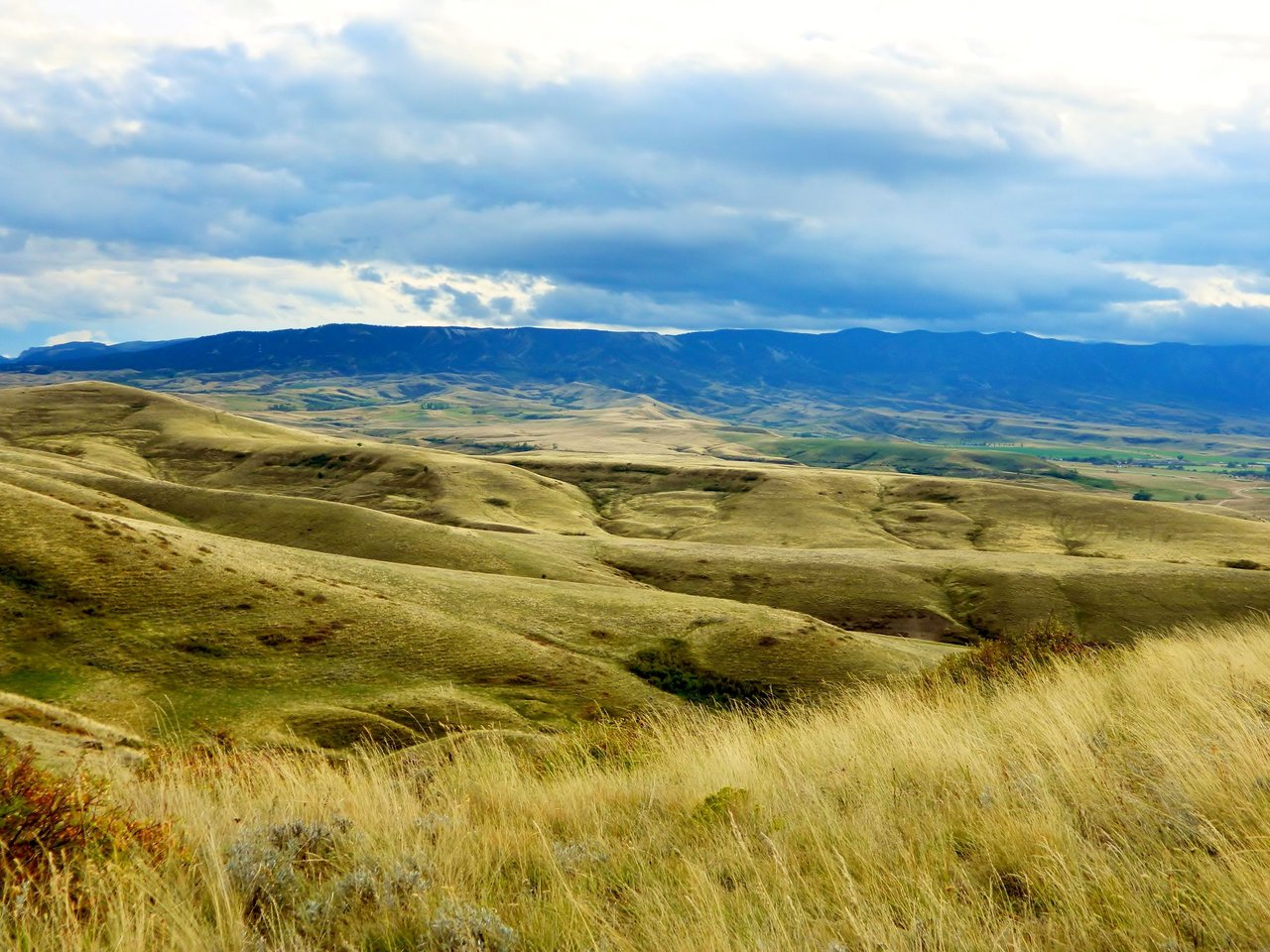
Rising temperatures and unpredictable precipitation patterns have disrupted agriculture and water availability in this region. By 2026, many farming families are relocating to more temperate zones, contributing to a steady population decline in rural communities across the Dakotas and Nebraska.
10. Southern Oregon’s Rogue Valley
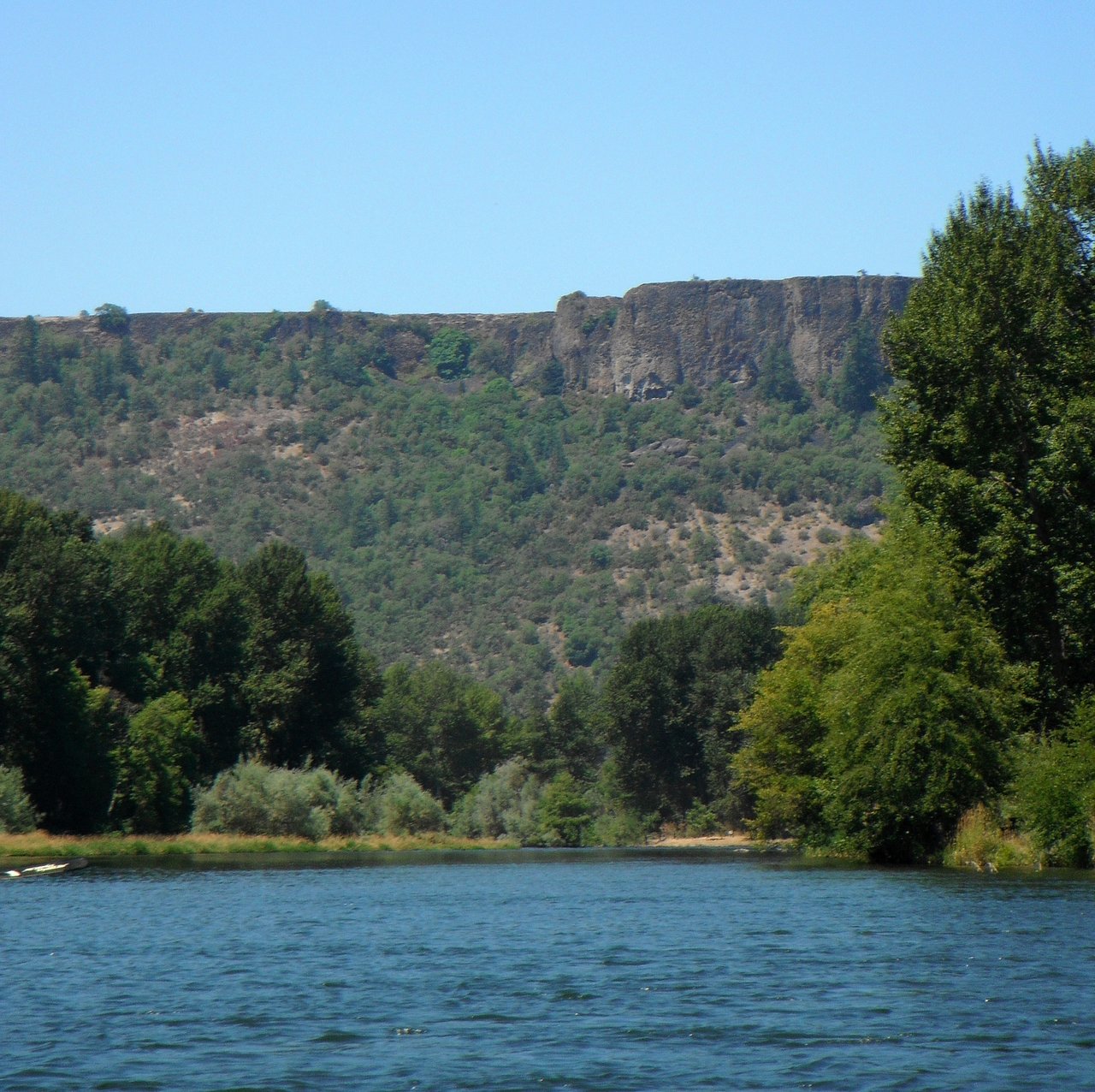
Wildfires and prolonged drought have accelerated outmigration from Southern Oregon’s Rogue Valley. In 2026, smoke pollution and fire risk have made the area less attractive for residents, with many moving to less fire-prone parts of the Pacific Northwest.
These ten regions illustrate the growing reality of climate-driven migration in the United States. As environmental conditions deteriorate, community resilience and adaptive strategies will become crucial to managing population shifts and safeguarding livelihoods in 2026 and beyond.