12 US States Where Home Prices Are Still Affordable and People Are Actually Moving In
Discover the 12 US states where affordable homes and positive migration trends are reshaping the housing landscape in 2026.

Chris F/Pexels
While many Americans continue to leave high-cost states, a significant number are relocating to areas where home prices remain affordable and job prospects strong. In 2026, these 12 states stand out for their positive net domestic migration and median home prices well below the national average, proving that affordable living is still possible in thriving communities.
1. North Carolina

North Carolina led the nation in domestic migration gains in 2025, welcoming over 84,000 new residents. The Research Triangle—Raleigh, Durham, and Chapel Hill—has become a magnet for tech and healthcare professionals, boasting a 3.2% job growth rate. Charlotte’s expansion as a financial services hub complements this growth. With a median home price around $330,000, North Carolina offers a rare mix of affordability and urban amenities, attracting a population growth rate of 1.3%, the third highest nationwide.
2. Tennessee

Tennessee added more than 42,000 net domestic migrants in 2025, buoyed by its status as one of just nine states with no income tax. This tax advantage, combined with affordable housing averaging $340,000, makes it a top choice for retirees and remote workers. Beyond Nashville’s booming music and tech scene, cities like Knoxville and Chattanooga are drawing buyers priced out of the capital, ensuring options for a wide range of budgets.
3. South Carolina

With the highest population growth rate in the country at 1.5% for 2025, South Carolina attracted 66,600 net domestic migrants, ranking third nationally. Greenville and Columbia lead the way with job opportunities in manufacturing, healthcare, and logistics. The median home price hovers near $290,000, offering significant savings compared to national figures and neighboring states. Its coastal location and mild climate continue to attract retirees seeking both affordability and lifestyle.
4. Indiana

Indiana’s housing market is a standout for affordability and economic stability, with median home prices near $245,000—more than $165,000 less than the national median. Indianapolis has grown into a Midwest economic powerhouse, especially in life sciences, technology, and logistics sectors. Positive net domestic migration in 2025 and an average home market time of just 50 days highlight strong demand rather than stagnation.
5. Ohio

Ohio’s capital, Columbus, remains one of the few large cities where median-income households can afford median-priced homes, with statewide median home prices around $241,000. The city’s economy is diversified, featuring Ohio State University, a budding tech scene, and major distribution hubs. Cleveland and Cincinnati offer even lower prices, making Ohio a magnet for first-time buyers. The state’s positive inbound migration reflects these affordability advantages.
6. Arkansas

Arkansas consistently ranks among the nation’s most affordable states, with median home prices ranging from $169,000 to $215,000 depending on location. Urban areas like Bentonville and Fayetteville have grown due to Walmart headquarters and an expanding tech supplier ecosystem. The state saw positive net domestic migration in 2025 and holds a top ranking in housing affordability, making it a compelling choice for cost-conscious buyers.
7. Oklahoma

Oklahoma’s median home values range roughly between $171,000 and $214,000, keeping it among the most affordable states in the country. Both Oklahoma City and Tulsa have become attractive destinations for those seeking low-cost housing paired with growing job markets. Positive net domestic migration in 2025 underscores the state’s appeal for families and professionals alike looking for value without sacrificing amenities.
8. Michigan

Michigan has experienced steady inbound migration driven by revitalized urban centers and a rebounding manufacturing sector. Median home prices in cities like Detroit and Grand Rapids average around $210,000, well below the national median. The state’s affordability, combined with improving job prospects and quality of life, has made it a hotspot for buyers seeking both opportunity and value.
9. Georgia

Georgia continues to draw residents with its combination of affordable housing and strong economic growth, especially in Atlanta and its suburbs. Median home prices near $320,000 remain below the national average, while job growth in technology, film, and logistics fuels population gains. The state’s diverse economy and relatively low cost of living have made it a top choice for relocating Americans.
10. Texas

Despite rapid growth, parts of Texas still offer affordable housing options with median prices around $350,000 statewide. Cities like San Antonio and Houston provide expanding job markets in energy, healthcare, and technology sectors. Texas’s lack of state income tax and business-friendly environment continue to attract a wide range of migrants seeking better affordability and opportunity.
11. Florida
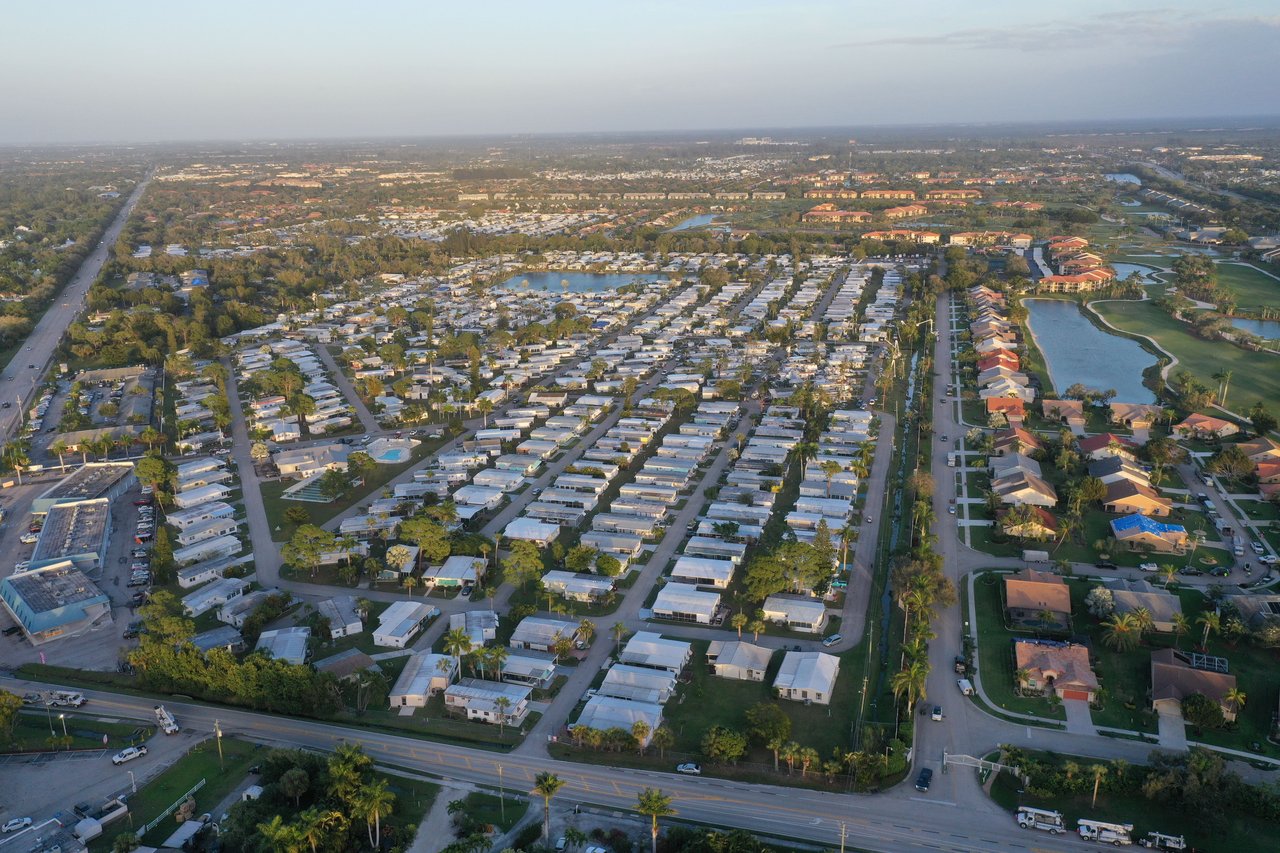
Florida’s positive net migration persists in 2025 despite housing price increases, with median home prices averaging about $350,000. While some coastal areas have become expensive, inland cities like Ocala and Gainesville offer more affordable options. The state’s warm climate, no state income tax, and strong retirement appeal keep it popular among retirees and remote workers alike.
12. Missouri

Missouri rounds out the list with median home prices near $230,000 and a positive migration trend in 2025. Cities such as St. Louis and Kansas City are revitalizing downtown areas and expanding tech and healthcare sectors. The state balances affordable living with increasing economic opportunities, attracting new residents looking for value and stability.
These 12 states demonstrate that affordable housing and positive population growth can coexist in 2026. Whether driven by job opportunities, tax advantages, or quality of life, Americans are finding new places to call home where their dollar stretches further without sacrificing amenities or economic prospects.