7 U.S. States With the Highest Single Parent Rates in 2026
Discover the 7 U.S. states with the highest rates of single parents in 2026 and what factors are driving this trend.

Sasha Kim/Pexels
Single parenthood in the U.S. continues to shape family dynamics, with certain states seeing notably higher rates than others in 2026. This list delves into the seven states where single parents make up the largest share of households, exploring the social, economic, and cultural factors behind these numbers.
1. Louisiana

Louisiana tops the list in 2026 with approximately 42% of families headed by single parents. The state’s high single parent rate is influenced by economic disparities and a strong cultural fabric that supports extended family networks. Cities like New Orleans show a significant concentration of single-parent households, often linked to challenges such as limited access to affordable childcare and fluctuating employment opportunities.
2. Mississippi

Mississippi ranks second, with nearly 40% of households led by single parents. The state’s persistent poverty levels and rural demographics contribute to this trend. Programs aimed at improving education and job training are in place but have yet to drastically reduce single parent rates, especially in the Mississippi Delta region where single mothers often face compounded barriers.
3. Georgia

Georgia sees about 38% of families led by single parents in 2026, driven largely by urban centers like Atlanta. The state’s growing population and economic shifts have increased the number of single-parent households. Support networks and community initiatives in metro areas are evolving to address the needs of these families, including childcare subsidies and parenting resources.
4. New Mexico

New Mexico reports a single parent rate near 36%, influenced by its unique cultural diversity and economic challenges. Rural isolation and limited healthcare access in many parts of the state create obstacles for single parents. However, New Mexico’s tribal communities also provide strong kinship support systems that help mitigate some difficulties faced by single-parent families.
5. South Carolina
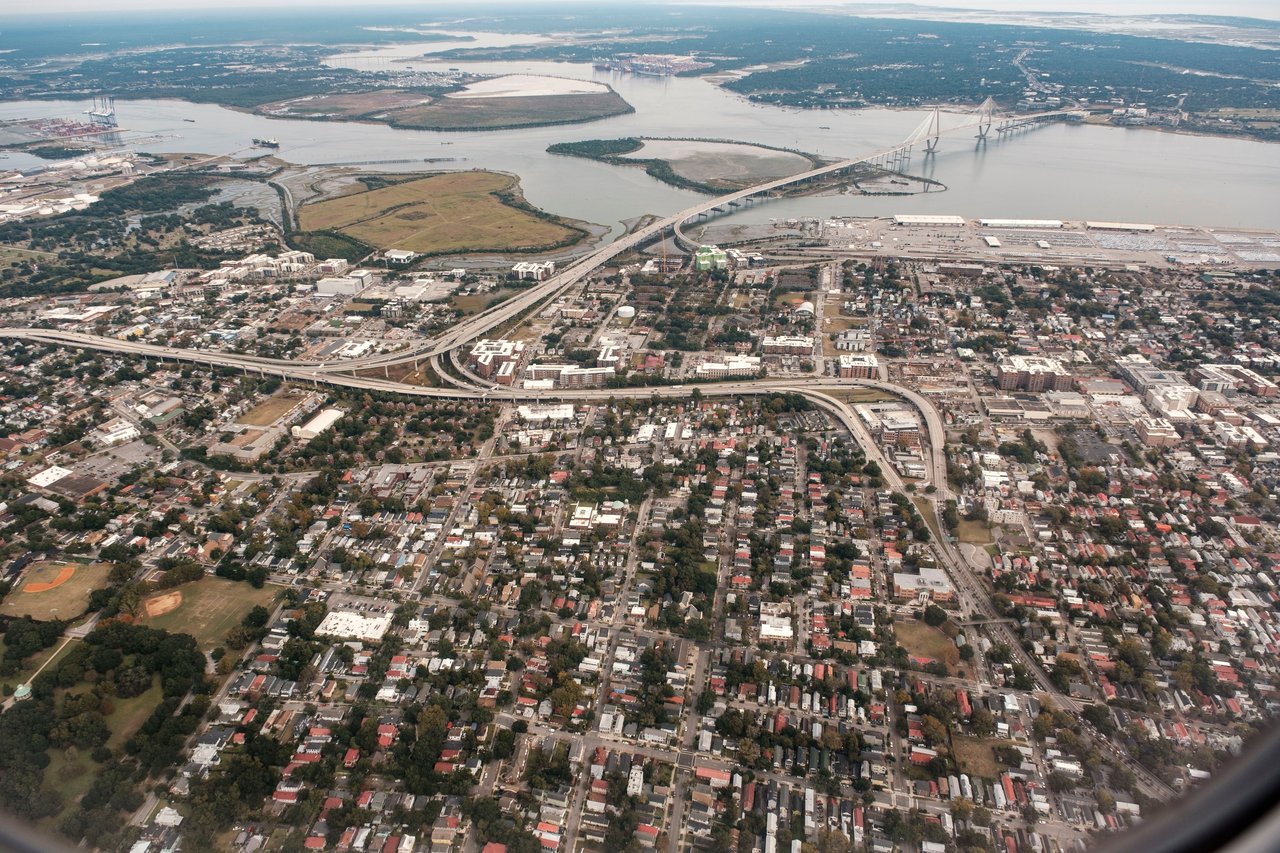
South Carolina’s single parent rate stands at around 34%. Economic inequality, particularly in coastal and rural areas, plays a significant role. The state has increased funding for early childhood education and family support programs in 2026, aiming to stabilize single-parent households and promote economic mobility.
6. Arizona

Arizona has seen a rise in single parent households, now at 33%, largely due to demographic shifts and immigration patterns. Urban areas like Phoenix and Tucson have growing single-parent populations that benefit from new initiatives in affordable housing and workforce development. Challenges remain around healthcare access and education equity for single-parent families.
7. Nevada

Nevada closes the list with a 31% single parent rate, fueled by economic volatility in the gaming and tourism industries. Cities such as Las Vegas have concentrated single-parent households, with state programs focusing on job retraining and mental health services to support these families in 2026.
These seven states highlight the diverse social and economic landscapes shaping single parenthood across the U.S. in 2026. Understanding these factors is key to developing targeted policies and resources that support single-parent families nationwide.