A Michigan Woman Went Missing in the Bahamas and Investigators No Longer Believe Her Husband’s Story About How She Disappeared
Authorities reopen search in Bahamas after digital forensics cast doubt on husband’s explanation of Michigan woman’s disappearance.

Tanhauser Vázquez R./Pexels
Authorities investigating the disappearance of Lynette Hooker, a 55-year-old Michigan resident missing since April 2026 in the Bahamas, now question her husband’s initial account of the events leading to her vanishing. New digital forensic evidence has prompted U.S. and Bahamian officials to expand the search and treat the case as a potential criminal matter.
Disappearance and Initial Investigation
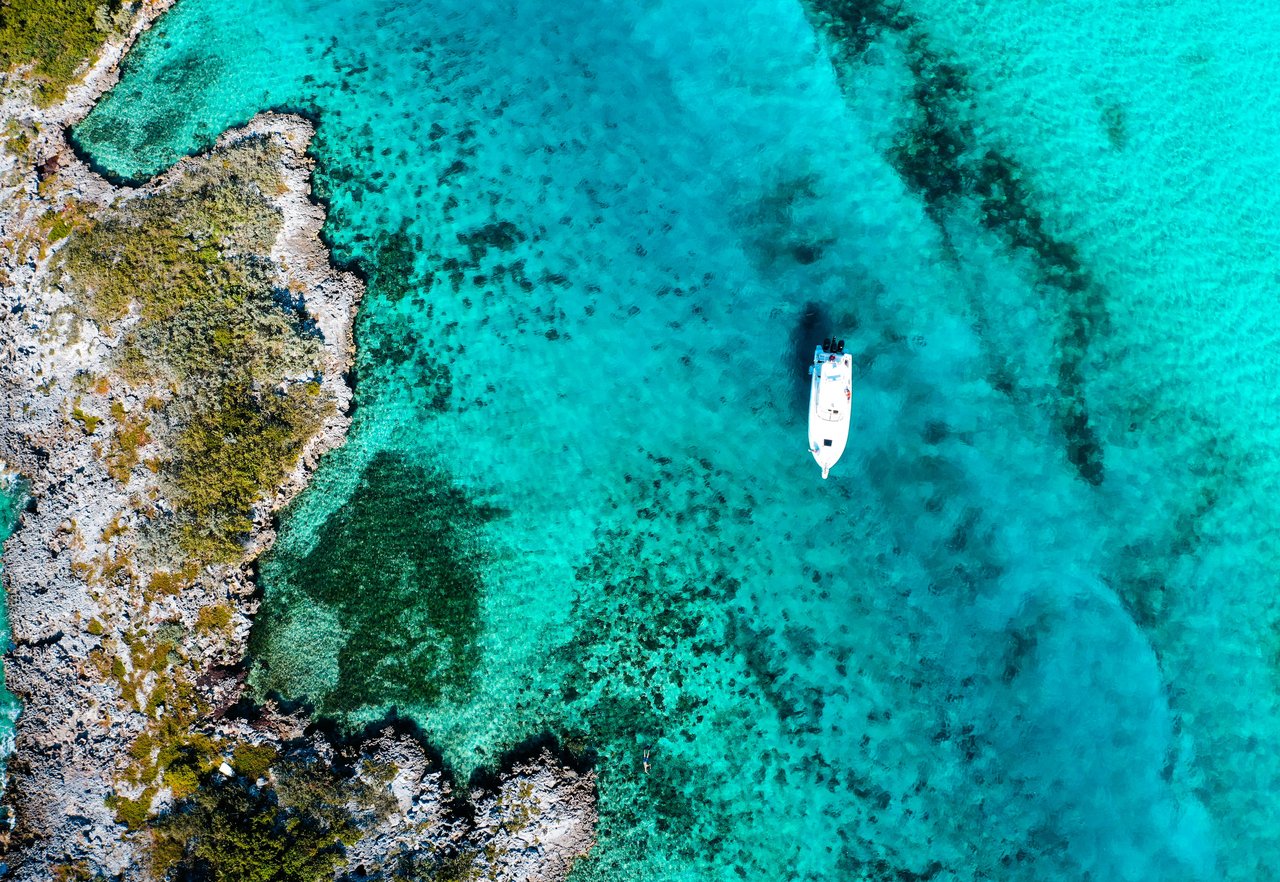
Lynette Hooker disappeared on April 4, 2026, near Elbow Cay and Hope Town in the Abaco Islands during a boating trip with her husband, Brian Hooker. According to the Royal Bahamas Police Force, Brian reported that Lynette had fallen from their 8-foot dinghy in rough water as they returned to their sailboat, Soulmate. Following this report, authorities launched a search and questioned Brian Hooker, who was arrested on April 8 but released without charges on April 13.
Emergence of Digital Forensic Evidence

The case took a turn in late May and early June when U.S. investigators revealed to the media that location data from electronic devices contradicted Brian Hooker’s version of events. Digital forensic analysis indicated discrepancies in the husband’s statements regarding their precise locations during the disappearance. This evidence prompted officials to consider the possibility of foul play, as reported by CBS News and CNN, even though Brian Hooker continues to deny any wrongdoing and has not been formally charged.
Renewed Search Efforts and Forensic Examination

In response to the new evidence, the U.S. Coast Guard deployed a specialized search team to the Bahamas in June 2026. The team utilized divers, remotely operated underwater vehicles, unmanned aerial systems, and a cadaver dog to probe newly identified areas. After completing the search, the Coast Guard took custody of the couple’s dinghy for detailed forensic testing, signaling the investigation’s shift from rescue to criminal inquiry. The Coast Guard confirmed its mission has concluded but emphasized that the broader investigation remains active.
Local Impact and Family Response
The disappearance has drawn significant attention in Michigan, where Lynette Hooker was a resident. Local media outlets have closely followed the case, highlighting the cross-border jurisdiction complexities. Lynette’s daughter, Karli Aylesworth, has publicly questioned her father’s story, expressing disbelief that her experienced sailor and swimmer mother would simply fall overboard and vanish without a trace. The family’s concerns reflect growing skepticism fueled by the emerging forensic evidence.
Ongoing Investigation and Unknowns

Despite the renewed search and forensic advances, Lynette Hooker remains missing. Authorities have not revealed whether additional physical evidence has been recovered or which specific devices provided the critical GPS data. Likewise, no formal charges have been filed in the Bahamas or the United States, and a comprehensive investigative timeline has not been released. The case illustrates the increasing role of digital forensics in maritime investigations, where environmental factors often obscure facts and complicate search efforts.
The investigation into Lynette Hooker’s disappearance continues with involvement from both U.S. and Bahamian agencies, as authorities piece together digital clues and forensic findings to resolve what happened that night in the Abaco Islands.