Pentagon, Spending Billions into Iran War, Faces Urgent Funding Shortfall
The Pentagon warns of critical budget shortages as the war in Iran drags on, forcing cuts to training and maintenance.
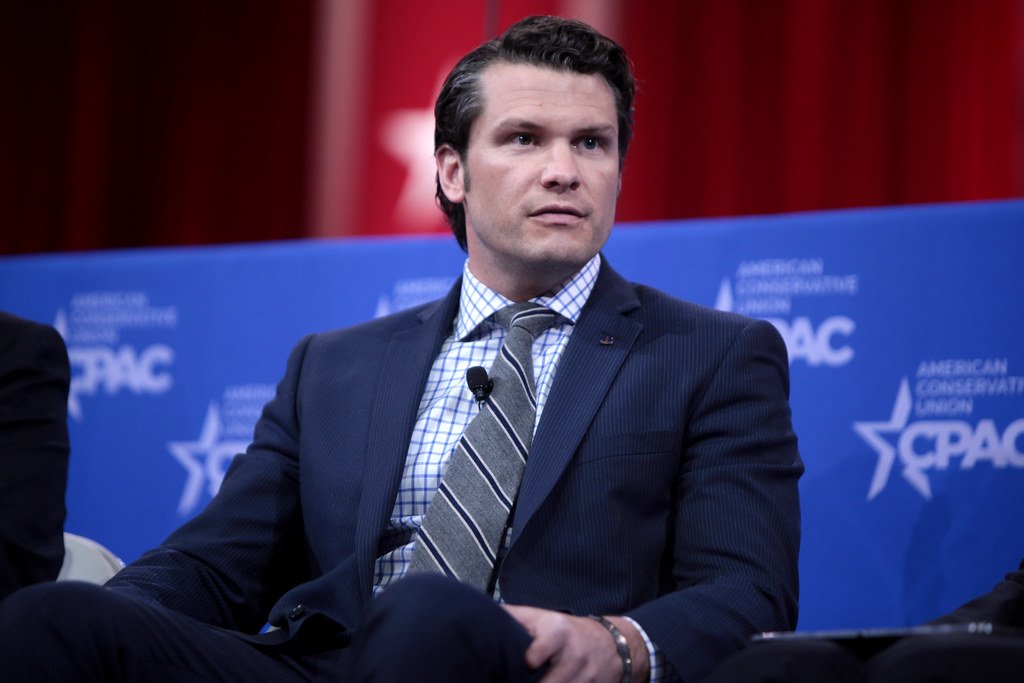
Gage Skidmore/Flickr
The Pentagon is confronting a severe budget shortfall as billions of dollars poured into the ongoing war in Iran rapidly deplete military coffers. With crucial lines of funding set to run dry within weeks, defense officials are forced to curtail training and maintenance programs vital to maintaining operational readiness. This fiscal crisis unfolds amid an intensifying conflict with Tehran, which shows no signs of abating in mid-2026.
Worsening Budget Crunch Amid Prolonged Iran Conflict
The war in Iran, launched by President Donald Trump with airstrikes beginning in late February 2026, was initially promised to be a brief campaign. Instead, the conflict has dragged on for months, fueled by Iran’s closure of the Strait of Hormuz—a critical artery for global oil and fertilizer shipments—and repeated Iranian missile strikes on U.S. bases in the Middle East. These developments have forced the Pentagon to rapidly escalate spending beyond initial estimates.
White House budget officials estimate the war has cost approximately $30 billion so far, though independent analysts suggest the true figure may be substantially higher when considering damage repairs and broader military deployments. The strain has been particularly acute on the Navy and Air Force, which have maintained a high operational tempo in the Middle East throughout 2026.
Cutbacks in Training and Maintenance Pose Readiness Risks
As funds dwindle, the Pentagon has begun limiting military exercises, training programs, and maintenance activities. These reductions directly impact the preparedness of U.S. forces, raising concerns among defense experts and lawmakers alike. Four current and former defense officials, speaking on condition of anonymity, confirmed that budget reallocations are draining accounts normally reserved for equipment upkeep and facility repairs.
To bridge immediate shortfalls, the Pentagon has requested Congressional approval to divert $4.3 billion from training and weapons procurement budgets to more urgent operational needs. However, lawmakers remain deadlocked amid political disagreements, with the House preparing to recess for a month starting Thursday, likely delaying any funding resolution for weeks.
Congressional Gridlock and Political Challenges
The White House has formally requested an additional $67 billion to cover war expenses, while House Republicans are drafting a $73 billion defense funding package via reconciliation to expedite approval. Despite these efforts, Senate Majority Leader John Thune and other key senators have expressed skepticism about the package’s passage, citing procedural and partisan hurdles.
Democrats largely oppose new war funding, framing it as an unnecessary escalation. This partisan divide hampers swift Congressional action, even as Defense Secretary Pete Hegseth and Joint Chiefs Chairman Gen. Dan Caine testified before the Senate Appropriations Committee on July 21, 2026, emphasizing the critical need for immediate financial support to sustain military readiness.
Implications for National Security and Global Stability
The ongoing budget crisis threatens to undermine U.S. military effectiveness at a time when the Iran war shows potential to expand. The loss of four U.S. service members during recent intensified clashes underscores the conflict’s severity. With the Pentagon forced to reallocate funds from key readiness areas, there is growing concern that the U.S. military could face significant challenges if the war escalates further or expands into other regions.
Moreover, the economic disruption caused by the Strait of Hormuz blockade continues to reverberate globally, adding urgency to resolving both the military and fiscal aspects of the conflict.
The Pentagon’s budget shortfall highlights the high cost of prolonged military engagements and raises difficult questions about fiscal priorities and war strategy as the summer of 2026 progresses.