Houthis Launch Missile Strikes on Saudi Aramco Facilities in Retaliation
Iran-backed Houthis fired missiles and drones at Saudi Aramco sites in Jizan and Yanbu, escalating regional tensions and impacting global oil markets.
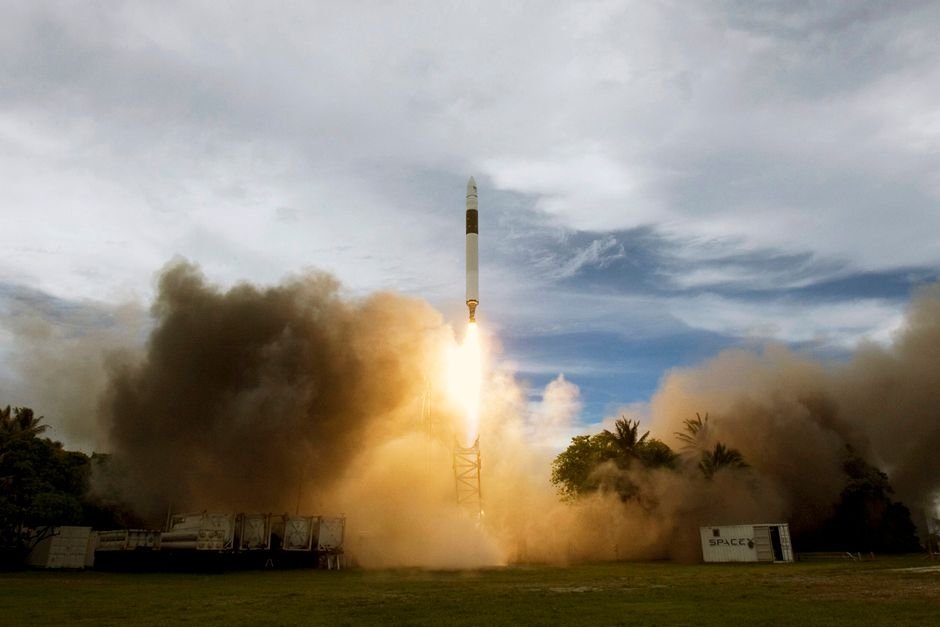
SpaceX/Pexels
On July 25, 2026, Iran-backed Houthi rebels in Yemen launched coordinated missile and drone attacks on key Saudi Aramco facilities in the cities of Jizan and Yanbu, marking a significant escalation in the ongoing Middle East conflict. The strikes were declared a direct retaliation for recent Saudi air raids on Yemen’s port city of Hodeida, intensifying concerns over regional stability and global energy security.
Details of the Houthi Retaliatory Attacks
The Houthi movement, led by Brig. Gen. Yahya Saree, announced the military operations through social media, describing the strikes as “accurate and direct.” The first salvo targeted sensitive Aramco-affiliated infrastructure in Jizan with dozens of ballistic missiles and drones. Shortly after, a second wave hit Aramco facilities in Yanbu using a combination of ballistic and cruise missiles alongside unmanned aerial vehicles. According to Saree, both operations achieved their intended objectives, demonstrating the group’s growing missile and drone capabilities.
Context of Rising Regional Tensions
This latest wave of attacks follows a pattern of escalating violence linked to the broader conflict between Iran and Saudi Arabia, with the Houthis acting as a proxy force for Tehran. The strikes come after Saudi forces conducted air raids on Hodeida, a critical Yemeni port city, which the Houthis cited as the justification for their retaliation. The Houthis have also imposed a maritime blockade and targeted oil tankers in the Red Sea, threatening vital shipping lanes that carry a significant portion of the world’s oil supply.
Impact on Global Oil Markets and U.S. Response
Following the Houthi attacks on Saudi tankers earlier this week, Brent crude oil prices surged to around $101 per barrel, reflecting market fears over supply disruptions. The closure of the Strait of Hormuz during previous U.S.-Iran confrontations has already tightened global oil supplies, and these new attacks on Saudi oil infrastructure risk further supply constraints.
In response to the escalating situation, U.S. officials have reiterated warnings to Iran. Former President Donald Trump, through a Truth Social post, emphasized that the United States would hold Iran responsible for any further Houthi attacks, labeling the group as a proxy of Tehran. He warned of major military repercussions if aggression continued, underscoring the fragile balance of power in the region.
Implications for North Carolina and Regional Energy Security
While the conflict unfolds thousands of miles away, the repercussions are felt locally in North Carolina and across the U.S. Energy markets remain volatile, impacting fuel prices and economic conditions in communities reliant on stable oil supplies. North Carolina’s industries and consumers could face higher costs as global uncertainties ripple through supply chains.
Furthermore, the risk of a wider regional war raises concerns about long-term geopolitical stability, which could affect national security policies and international relations. North Carolinians with ties to military service or international commerce may closely monitor these developments as tensions remain high.
Outlook and Future Risks
The ongoing cycle of attacks and reprisals between the Houthis and Saudi Arabia presents a dangerous escalation with the potential to draw in more regional and global powers. The vulnerability of critical oil infrastructure and shipping routes continues to threaten energy markets worldwide.
Diplomatic efforts remain limited amid entrenched hostilities, and experts warn that without de-escalation, further disruptions and violence are likely. The coming weeks will be critical in determining whether the conflict expands or if international pressure can curtail the violence.
The recent Houthi missile strikes on Saudi oil facilities underscore the complex and volatile nature of Middle East tensions in 2026, with far-reaching consequences that extend well beyond the region.