US Declares Strait of Hormuz ‘Irrelevant’ as Oil Routes Shift in 2026
Treasury Secretary calls Strait of Hormuz ‘irrelevant’ as US pivots to pipeline oil routes amid ongoing regional tensions.
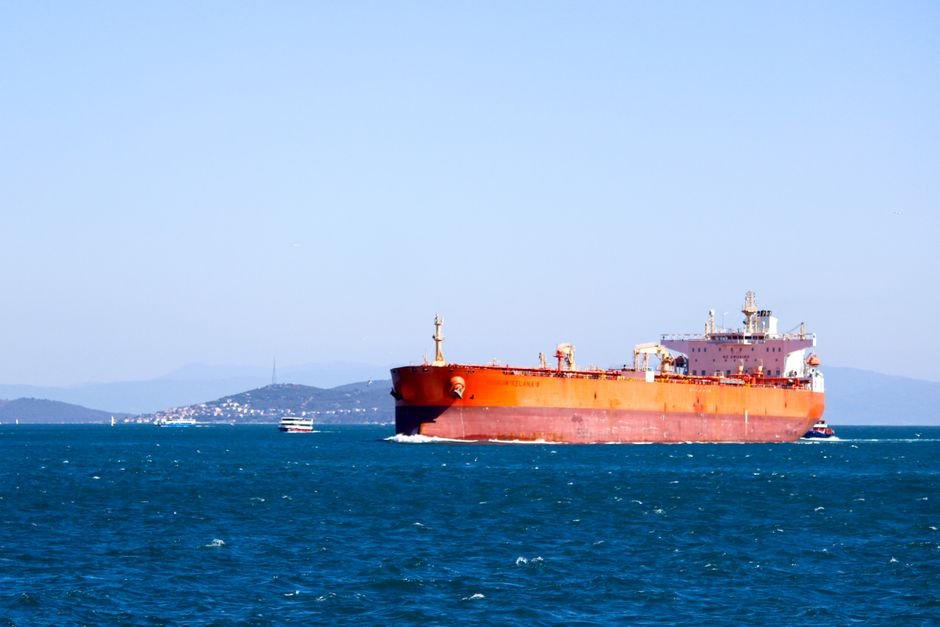
Muhammed Zahid Bulut/Pexels
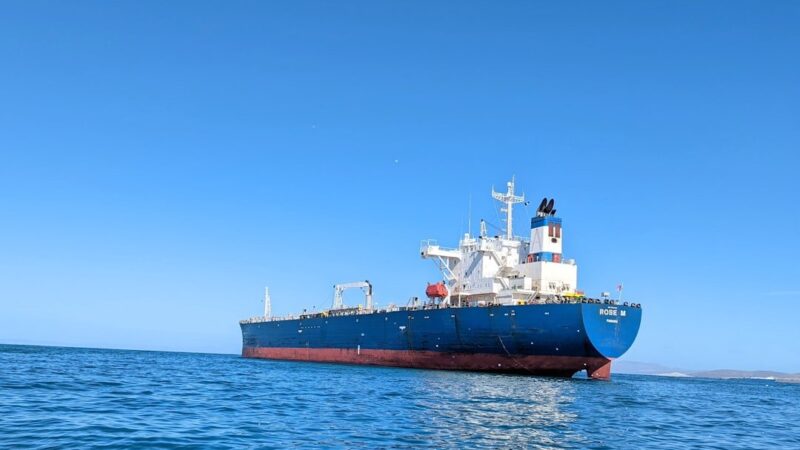
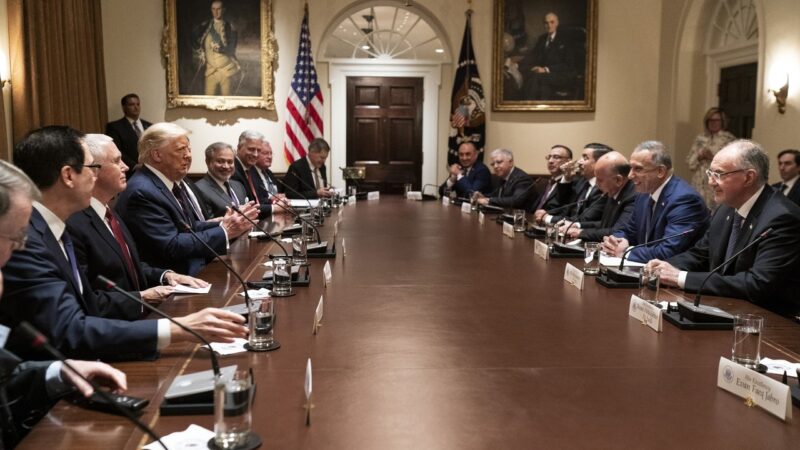
In a striking pivot, U.S. Treasury Secretary Scott Bessent declared over the weekend that the Strait of Hormuz is becoming “irrelevant” to American energy security as oil shipments are increasingly rerouted through alternative pipeline networks. This development comes amid ongoing geopolitical tensions in the region, with Iran and Houthi forces maintaining pressure on critical maritime chokepoints in the Middle East in August 2026.
US Strategy Shifts Amid Strait of Hormuz Uncertainty
The Strait of Hormuz, a narrow waterway linking the Persian Gulf to the Gulf of Oman, has long been a flashpoint due to its strategic importance—through it passes roughly a fifth of the world’s seaborne oil. However, Secretary Bessent’s recent remarks signal a significant shift in U.S. energy and geopolitical strategy. By emphasizing the growing role of pipelines bypassing the Strait, the U.S. government appears to be reducing its dependence on this vulnerable sea lane.
Analysts interpret this as a move by the White House to lessen American exposure to potential disruptions from Iran, which last week announced that a deal with Oman on new shipping lanes in the Strait was nearing completion. Despite this, Iran insists the waterway will not reopen until the U.S. meets additional, unlikely conditions, prolonging the current uncertainty.
Regional Tensions Keep Shipping Routes Volatile
Beyond the Strait of Hormuz, instability remains high along other vital maritime corridors. Houthi forces have resumed attacks on the Red Sea port city of Mocha, raising concerns among shippers about the safety of the Bab el-Mandeb strait, a crucial chokepoint connecting the Red Sea to the Gulf of Aden. These attacks threaten to further disrupt global oil shipments and increase shipping insurance costs.
Consequently, Brent crude prices rose by 1% to $84.38 per barrel, reflecting the market’s anxiety over constrained supply routes. U.S. crude also climbed 0.7% to $78.75. Tanker traffic through the Strait of Hormuz remains minimal, with only two vessels passing through on Friday, underscoring the fragility of current maritime trade flows.
Economic Implications and Market Reactions
Financial markets have responded cautiously to these developments. While Wall Street concluded last week with record closes and a strong earnings season led by AI-driven companies, futures dipped slightly on Monday amid oil price volatility and geopolitical risks. Bank of America analysts highlighted a 30% year-over-year rise in earnings per share for the S&P 500, propelled by a 28% growth in AI-related stocks, though forecasts predict slower growth ahead.
Market watchers are also eyeing upcoming U.S. economic data, including consumer price inflation figures due Wednesday and July retail sales on Friday. Currently, there is a 44% probability of a Federal Reserve interest rate hike in September, a figure that could shift depending on these reports.
Long-Term Impact on Global Energy Security
The U.S. pivot away from reliance on the Strait of Hormuz reflects broader trends in energy security and infrastructure resilience. Increased investment in pipeline capacity and alternative shipping routes aims to mitigate risks posed by regional instability. Still, experts caution that while the strait’s direct importance to the U.S. may diminish, it remains critical for many global energy consumers, leaving the overall geopolitical risks intact.
Moreover, the ongoing conflict in Yemen and Iran’s strategic positioning continue to pose unpredictable challenges to global energy markets and maritime security.
As 2026 progresses, the evolution of U.S. energy logistics and Middle East diplomacy will be vital to watch, with potential repercussions for markets, security, and international relations worldwide.