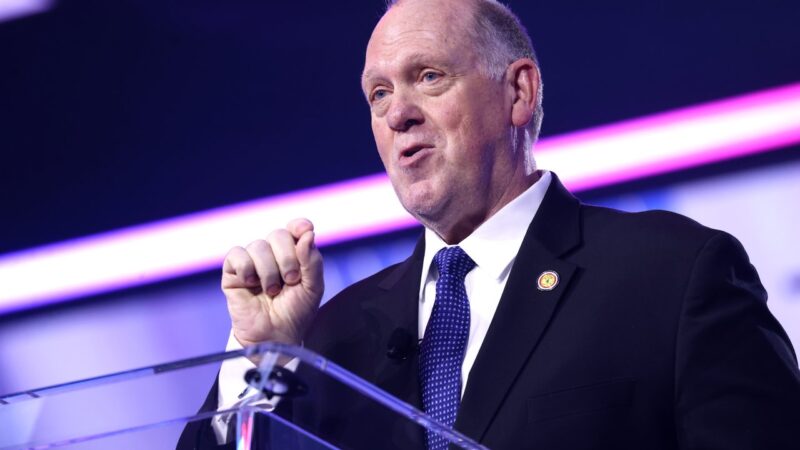
Pentagon Temporarily Pulls Controversial Testosterone Screening Guidelines
Pentagon rescinds new testosterone screening guidelines for male troops after backlash, citing an inadvertent draft posting.
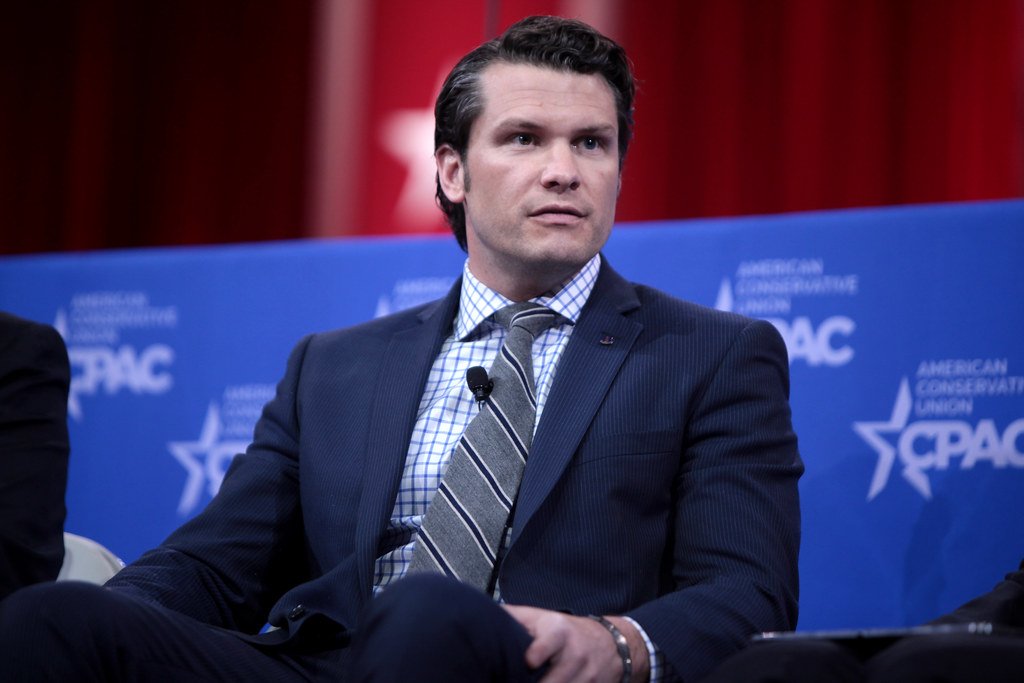
Gage Skidmore/Flickr
The Pentagon has temporarily withdrawn recently introduced guidelines mandating testosterone deficiency screening for male service members aged 30 and older. The move comes just a day after the guidelines were posted online, following a mid-July directive from Defense Secretary Pete Hegseth to include testosterone checks in annual health exams for active-duty and reserve personnel. Officials say the document was an inadvertently released draft and that finalized clinical guidance will be issued soon.
Background on the Testosterone Screening Policy
Defense Secretary Pete Hegseth announced in July 2026 a new policy aimed at identifying testosterone deficiency among male troops 30 and above. The order required testosterone screening as part of routine medical exams, with the option for service members to pursue testosterone replacement therapy if recommended by their doctors. The policy also included guidelines for female service members, focusing on symptoms like fatigue and disrupted menstrual cycles that may indicate hormonal imbalance.
The Pentagon’s Defense Health Agency (DHA) subsequently posted detailed clinical guidance documents outlining uniform screening and treatment pathways across military medical facilities. However, these documents were removed just one day later, sparking confusion and debate within military and medical communities.
Reasons Behind the Sudden Withdrawal
Pentagon spokesman Sean Parnell explained that the ‘Interim Guidance on Testosterone Deficiency Screenings’ remains effective, but the documents posted online were drafts not intended for public release. A senior advisor to Secretary Hegseth confirmed the guidelines were mistakenly published before final review and approval.
No further details were provided on potential revisions or the timeline for the official release of the finalized clinical guidance.
Medical Community’s Response and Ongoing Debate
The policy has drawn criticism from some medical experts who question the necessity and scope of broad testosterone screening. While low testosterone, or ‘Low-T,’ can affect a small percentage of men, especially in high-stress military environments like special operations, many doctors argue that widespread screening is not supported by sufficient scientific evidence. They warn against medicalizing a condition that may be overhyped in popular culture and caution about unnecessary treatments.
Critics also highlight concerns that uniform screening could lead to overtreatment, with possible side effects and unclear long-term benefits for otherwise healthy service members.
Implications for Military Health Policy
The Pentagon’s move underscores the challenge of balancing proactive health care with evidence-based medicine in the armed forces. Testosterone levels can be influenced by physical strain, nutrition, and stress, factors common in military life, especially in demanding roles.
The temporary rescindment adds uncertainty for troops and healthcare providers awaiting clear guidance on managing hormone-related health issues. It also highlights the sensitivity surrounding new medical mandates in the military, particularly those that may affect readiness and individual choice.
As the Pentagon prepares to finalize its clinical guidance, military personnel and medical experts alike will be watching closely to see how the policy evolves amid ongoing scientific and ethical considerations.