Homan Urges Body Cameras for ICE After Fatal Shootings in Texas, Maine
Former ICE chief Tom Homan advocates for body cameras following deadly ICE shootings in Texas and Maine, citing transparency and safety.
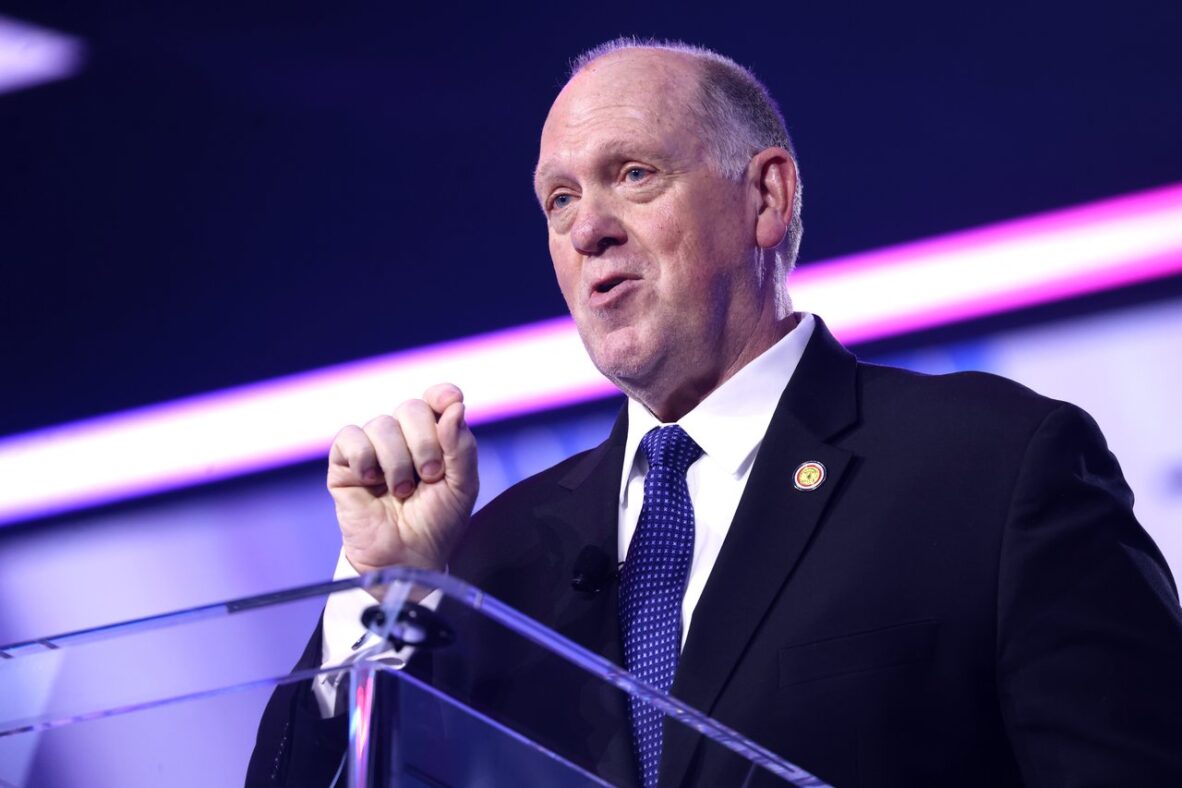
Gage Skidmore/Wikimedia Commons
Tom Homan, former Immigration and Customs Enforcement (ICE) official, emphasized the need for body cameras on ICE officers following fatal shootings in Texas and Maine earlier this month. Speaking on July 19, 2026, Homan stressed that body-worn cameras provide crucial transparency by showing what officers see and hear during critical encounters.
Fatal Shootings Renew Calls for Body Cameras
On July 7, an ICE officer shot and killed a Mexican national in Houston, Texas, who had lived in the United States for decades. Just days later, another ICE officer fatally shot a Colombian man in Biddeford, Maine. In both incidents, the officers involved were not equipped with body cameras, raising questions about accountability and the clarity of events leading to the shootings.
Homan highlighted the importance of officers wearing body cameras, saying, “I think body cameras let the American people know what that officer sees when he takes that action.” Pointing to the limitations of bystander cellphone footage or city surveillance cameras, he argued that only body cameras can capture the officer’s perspective during high-stakes decisions.
DHS Moves to Expand Body Camera Use Amid Criticism
The Department of Homeland Security (DHS) announced last week that every ICE arrest team will now have at least one officer equipped with a body camera. This move follows DHS’s previous deployment of body cameras to over half of ICE’s field offices, with full rollout expected by September 2026.
Homan acknowledged that funding delays slowed the rollout. Earlier this year, Democrats in Congress withheld funding during a Department of Homeland Security shutdown, which stalled efforts to equip all ICE officers with cameras. However, after a $70 billion funding package passed in June, the department resumed purchases and began training officers nationwide on body camera use.
Critics from the Democratic Party have argued that the rollout remains too slow, despite significant appropriations in April and last year’s comprehensive DHS funding bill. Homan defended progress, noting that the initial $20 million allotment was insufficient but the recent funding has accelerated deployment efforts.
Operational Changes and Safety Concerns After Shootings
The shootings in Texas and Maine prompted DHS Secretary Markwayne Mullin to temporarily pause certain vehicle stop operations, particularly those involving ICE agents. While President Trump overturned this suspension on July 15, the incidents have focused attention on officer and public safety during immigration enforcement actions.
Homan stressed that both men shot in these cases were not the intended targets of the operations, which involved vehicle stops. He also raised concerns about whether officers activated emergency lights during the stops, noting that ICE vehicles are equipped with sirens and insignia designed to clearly identify law enforcement presence.
“If they didn’t activate the lights, then there’s an issue there,” Homan said, underscoring the need for clear communication and procedure during enforcement actions.
Rhetoric and Compliance With Law Enforcement
Beyond equipment and policy, Homan expressed worry about public and political rhetoric that might encourage noncompliance with ICE agents. He specifically called out statements from some members of Congress that he believes embolden individuals to resist ICE enforcement.
“No matter what people think of ICE or immigration law, you should always comply with law enforcement,” Homan stated. He emphasized that even unmarked law enforcement vehicles are equipped with emergency lights and sirens, which should make their status clear during enforcement encounters.
Homan’s comments come amid a broader national debate over immigration enforcement methods, transparency, and civil rights, with the recent shootings intensifying scrutiny of ICE operations nationwide.
As the body camera rollout continues and investigations into the shootings proceed, the debate over immigration enforcement tactics and accountability remains a critical issue for communities across the country, including those in North Carolina and the broader Southeast region.