Drone Activity at U.S.-Mexico Border Drops 75% After Military Deploys Laser Weapon
Military use of high-energy lasers reduces suspicious drone flights along the southern border by 75%, marking a major shift in border security.
NASA/Joel Kowsky/NASA
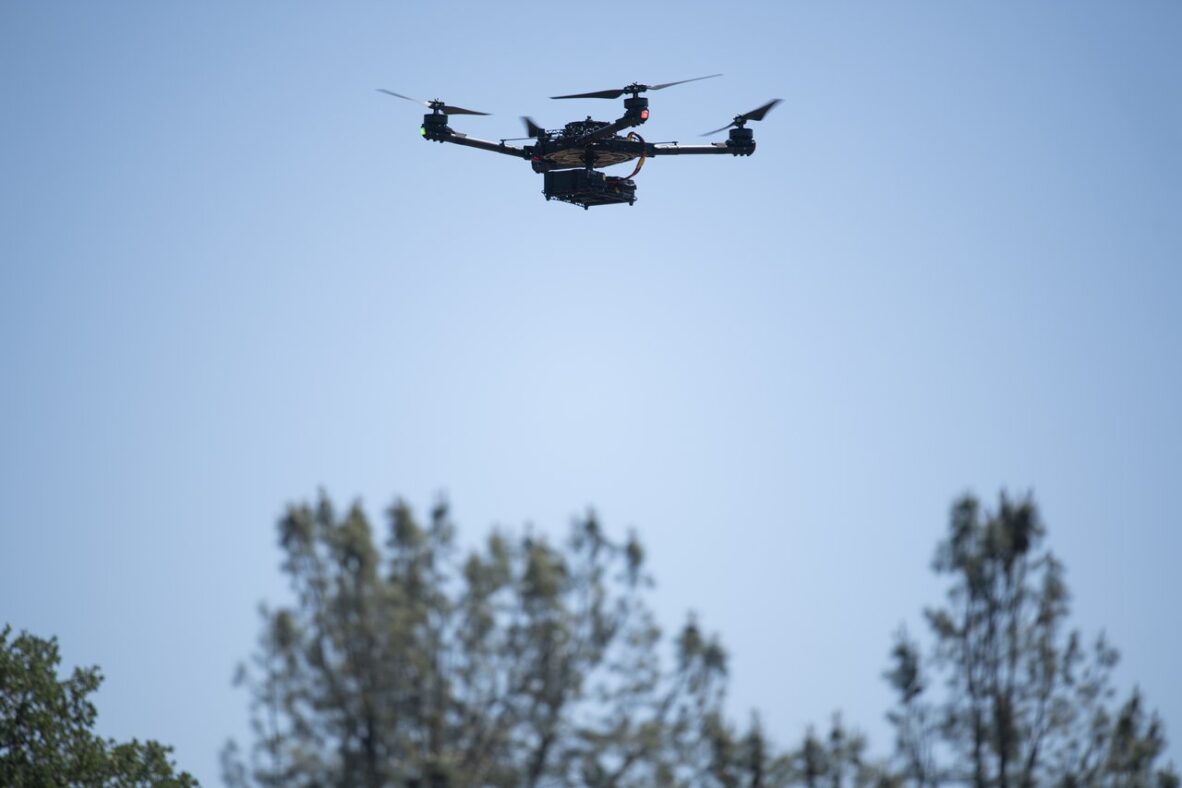
Drone incursions along the U.S.-Mexico border have plummeted by approximately 75% since the U.S. military began deploying a high-energy laser weapon system in late August 2026, according to military officials. The cutting-edge technology, first used actively on August 25 and 26, has provided a new method for countering drones suspected of being operated by cartel groups in the Rio Grande Valley region of Texas.
Laser Weapon Debuts on the Southern Border
The laser system made its operational debut after months of preparation and training, including earlier incidents that led to a temporary FAA airport shutdown. This new weapon offers the military an alternative to conventional drone countermeasures such as jamming, allowing for the physical disablement of suspicious drones rather than merely forcing them to retreat temporarily.
Army Col. Robert Felicio, commander of the 130th Maneuver Enhancement Brigade deployed to the border, described the laser as a “game changer” in drone defense. Since its deployment, the military has successfully neutralized 11 drones with the laser over a ten-day period. These drones are believed to be connected to cartel surveillance and smuggling operations.
How the Laser System Works
The laser weapon, a variant of AeroVironment’s LOCUST system, operates by emitting a concentrated beam of heat aimed at precise points on a drone, causing critical damage and forcing it down. During a recent demonstration near the border wall, operators used an Xbox-style controller and a live video feed to track and engage a test drone. The beam is invisible to the naked eye, only producing a brief flash of light upon impact.
The damaged drone recovered from the test had a destroyed propeller and a missing battery but remained identifiable. The military currently operates multiple laser systems along the border and recently awarded AeroVironment a $465 million contract to expand high-energy laser capabilities.
Coordination and Safety Considerations
Officials emphasized the importance of coordination with the Federal Aviation Administration (FAA) to mitigate risks of laser use near civilian aircraft. The FAA had previously raised concerns about potential hazards, including catastrophic accidents if a laser were to mistakenly hit a plane. The military ensures strict protocols are followed before and after laser deployment to maintain safety.
In addition to FAA coordination, U.S. officials work closely with Mexican authorities to monitor drone threats and cartel activities across the border region. Although the precise locations of recent drone takedowns were not disclosed, the military’s joint operations reflect a comprehensive approach to border security.
Limitations and Broader Impact
While the laser offers a significant advantage, it is not without limitations. Atmospheric conditions such as rain or vapor can reduce the effectiveness of the laser beam. Additionally, the system is one of several tools used to counter drone incursions. The military continues to rely on jamming and other air defense technologies alongside the laser.
Despite these challenges, military and defense experts praise the laser as a cost-effective option compared to traditional interceptors, which can cost millions per shot. Each laser engagement costs only a few dollars, making it an economical choice for ongoing border security efforts.
Air Force Gen. Gregory Guillot previously estimated that about 1,000 drone incursions occur monthly along the southern border, highlighting the scale of the threat. The 75% decrease since the laser’s deployment signals a major shift in the operational environment.
The reduction in drone activity might also be influenced by changes in cartel tactics or the use of alternative smuggling routes. Nevertheless, the introduction of high-energy lasers marks a new chapter in U.S. border defense strategy, providing an innovative response to evolving threats.