NC Senate Debates Controversial Tax on Obscene Material, Social Media Curbs, and Surveillance Tech
North Carolina Senate considers a 50% tax on prurient materials, age limits for social media, and the expansion of license plate reader technology.
Associated Press
North Carolina lawmakers are exploring a multifaceted legislative agenda that includes a proposed 50% excise tax on certain sexually explicit materials to fund anti-human trafficking initiatives, stricter age restrictions for social media use by minors, and the expanded deployment of license plate reader technology across state highways. These proposals, brought forth in the Senate Judiciary Committee, aim to address critical public safety and social issues facing the state, though they have also sparked debate regarding their efficacy and potential implications.
Proposed Tax on ‘Prurient’ Materials for Anti-Trafficking Funds
A significant proposal under consideration is Senate Bill 1007, which seeks to impose a 50% excise tax on materials deemed “prurient” or “obscene,” specifically those considered harmful to minors. The revenue generated from this tax would be earmarked for combating human trafficking and establishing a North Carolina Human Trafficking Commission. Proponents argue that the state’s current efforts are fragmented and require better coordination, citing North Carolina’s historically high ranking in human trafficking cases.
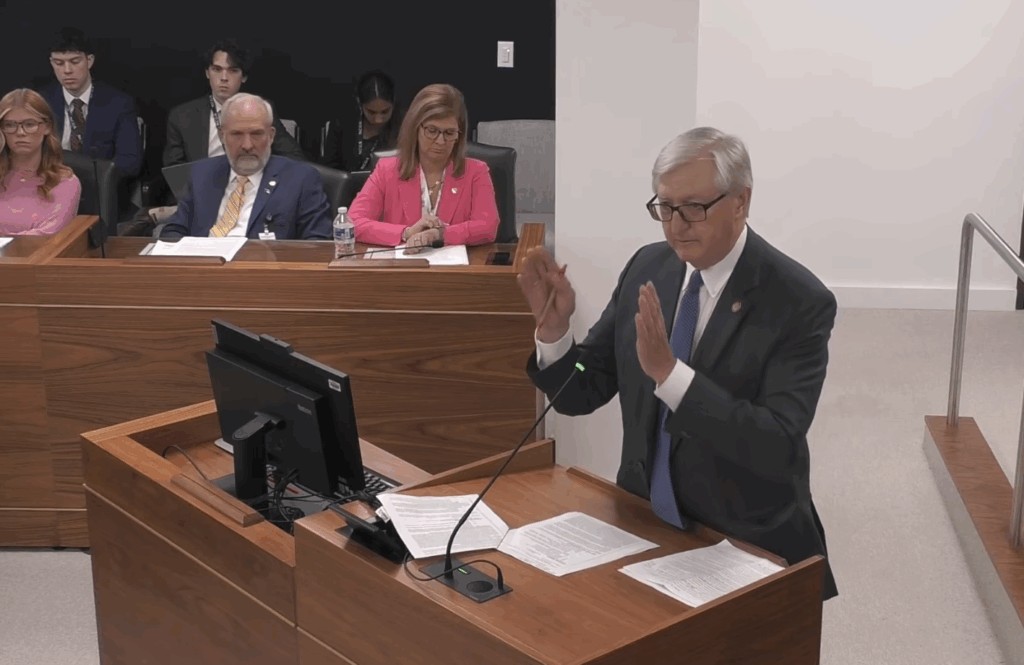
Senator Ted Alexander, a key proponent of the bill, emphasized the need for enhanced training and resources to support victims and hold traffickers accountable. The tax would apply to content already illegal under state law, including material that is “patently offensive” and not protected by the First Amendment, as well as sexually explicit content sold to individuals under 18. Alexander indicated that the tax would likely be assessed during criminal proceedings when such materials are confiscated from sellers.

Concerns Over Subjectivity and Revenue Projections
Despite the stated goals, questions have been raised about the practical implementation and potential revenue yield of the proposed tax. The committee has not yet received projections for the amount of revenue that could be collected. Furthermore, a provision in the bill that would prevent the Department of Revenue from sharing confidential tax information for criminal prosecutions related to these materials has drawn scrutiny. Lawmakers identified potential targets for the tax, such as certain online content platforms and adult magazines, but the ultimate determination would rest with the Department of Revenue.
Senate Democratic Leader Sydney Batch expressed reservations about granting state revenue officers the subjective authority to define what constitutes “prurient” material, arguing that such a process lacks the robust protections of a judicial system. Batch questioned the bill’s potential impact on curbing human trafficking and suggested that more direct legislative action might be more effective in preventing trafficking in the first place.
Social Media Age Limits and AI Safety
In parallel, the committee reviewed House Bill 301, a social media and AI safety bill that originated in the House. This bill proposes prohibiting minors under 14 from accessing “addictive social media platforms.” While the proposal garnered broad support, some Democrats advocated for extending the age limit to 17. The bill sponsor indicated an openness to such an amendment. The discussion also touched upon the role of app stores in age verification, with a lobbyist for Meta suggesting that app stores, rather than individual applications, should be responsible for verifying user ages to create a more effective barrier against underage access and potential exploitation.
Debate on License Plate Reader Technology
Another significant piece of legislation, House Bill 206, which would authorize the State Bureau of Investigation to install automated license plate readers (ALPRs) on North Carolina highways, also faced debate. While proponents see ALPRs as a valuable tool for public safety, civil liberties advocates and some lawmakers voiced concerns about data privacy and the potential for misuse of the collected information. Senator Sophia Chitlik highlighted worries about how private companies managing ALPR data would store and protect sensitive information, fearing it could be monetized or exploited.
The American Civil Liberties Union has been vocal in its opposition to ALPRs, arguing that they infringe upon privacy rights by documenting the movements of individuals who have not been accused of any crime. They contend that such surveillance systems often expand beyond their original intended purpose, creating extensive databases of people’s movements and associations.
All three bills are slated for a vote in the Senate Judiciary committee on June 3, marking a critical juncture for these potentially impactful pieces of legislation in North Carolina.