Sarah Stevens Departs NC House for Supreme Court Ambitions
Rep. Sarah Stevens resigns from NC House to pursue a seat on the state Supreme Court, shifting her focus to a high-stakes judicial race.
Associated Press
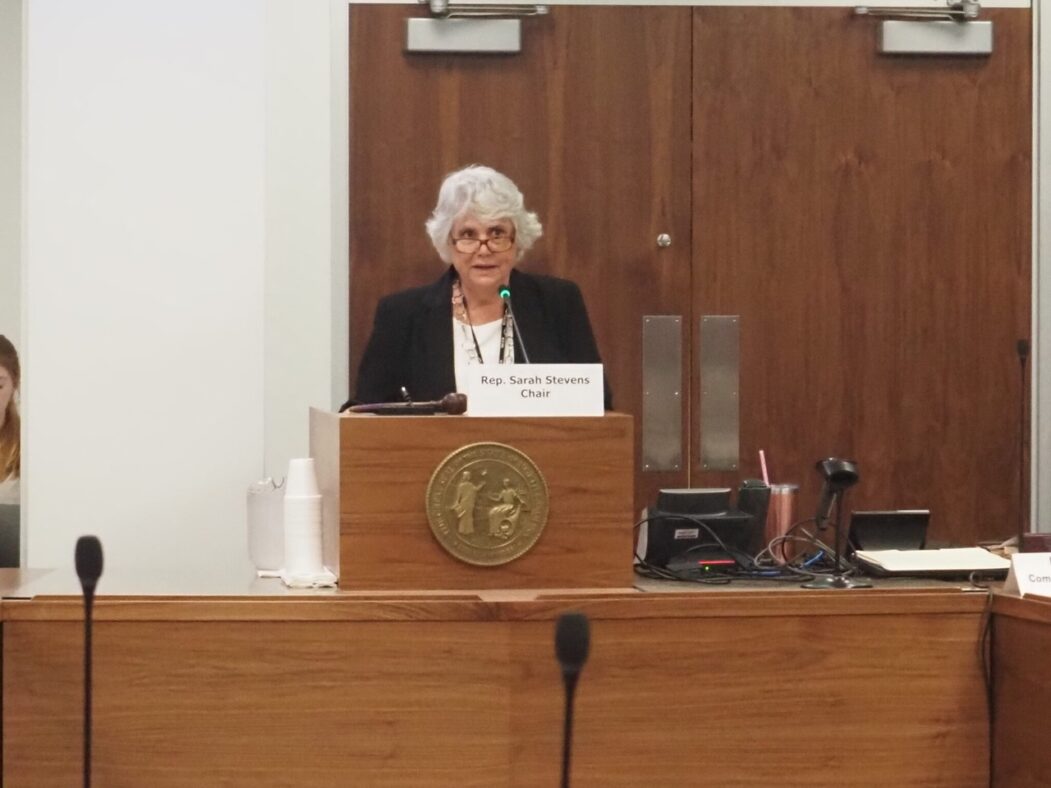
In a significant political maneuver, North Carolina Representative Sarah Stevens (R-Surry) has announced her departure from the state House of Representatives, effective June 16. This strategic move is driven by her unwavering commitment to her burgeoning campaign for a coveted seat on the North Carolina Supreme Court. Stevens’ decision marks the end of a long and influential tenure in the state legislature, signaling a pivotal shift in her public service career.
A New Judicial Path
Stevens articulated her motivations in a formal resignation letter, stating, “After careful consideration, I have decided to devote my full time and energy to my campaign for the North Carolina Supreme Court.” She expressed a firm belief that this transition will enable her to “continue serving the people of North Carolina and upholding the rule of law in a new capacity.” This declaration underscores her ambition to influence the state’s highest court and contribute to its legal interpretations and rulings.
Navigating a Challenging Political Landscape
Stevens’ aspirations to unseat incumbent Justice Anita Earls face considerable headwinds. As one of only two Democrats on the state’s highest judicial body, Justice Earls presents a formidable opponent. The broader political climate also poses challenges for Republican candidates statewide. An electorate grappling with the economic fallout of national policies and ongoing international conflicts appears less receptive to the GOP’s platform. A March 2026 poll conducted by Catawba College-YouGov highlighted this sentiment, revealing that 43% of likely voters surveyed favored the Democratic candidate for the state Supreme Court, while only 36% indicated support for the Republican contender.
Financial Disparities and Campaign Scrutiny
The financial landscape of the race further illustrates the uphill battle Stevens faces. Justice Earls has significantly outpaced Stevens in fundraising, reporting a total of $2,468,707 in donations by February, a stark contrast to Stevens’ $245,620. Adding to the campaign’s challenges, the North Carolina Board of Elections identified instances of illegal campaign contributions received from registered lobbyists, who are prohibited from donating to sitting lawmakers’ political campaigns. Stevens’ campaign did return the contributions upon notification of the violations, which were initially brought to light by NC Newsline.
A Legacy of Legislative Leadership
Stevens’ departure marks the end of an era for Republican leadership in the North Carolina General Assembly. She first entered the legislature in 2008, securing a victory in a closely contested race against an incumbent Democrat, even as President Barack Obama carried the state that year. Throughout her tenure, Stevens has held influential positions within the Republican caucus, including serving as House Speaker Pro Tem for several years and chairing key committees such as the House Judiciary 2 and the House Election Law committees. During a recent House Judiciary 2 Committee meeting, Representative Karl Gillespie (R-Macon) acknowledged Stevens’ significant contributions, expressing gratitude for her service and impact on North Carolina.
Reflecting on Service and Future Contributions
In her parting statement, Stevens expressed particular pride in her legislative work, citing judicial reform initiatives, educational advancements, and infrastructure improvements as key accomplishments. “It has been one of the greatest honors of my life to serve the people of North Carolina in the House of Representatives,” Stevens stated. She further reflected on her time in the General Assembly, highlighting the privilege of collaborating with dedicated colleagues to advance policies that have bolstered the state’s courts, enhanced public safety, fostered economic growth, and served the citizenry.
Stevens’ transition from the legislative arena to the judicial campaign trail signifies a profound shift in her approach to public service. Her decision to focus entirely on her Supreme Court bid signals a determined effort to bring her experience and vision to the state’s highest court, aiming to shape the future of law and justice in North Carolina.