20 Health Risks Drinking Alcohol Can Raise in 2026
Discover 20 serious health conditions linked to alcohol consumption—even moderate drinking can increase your risk in 2026.

cottonbro studio/Pexels
Alcohol consumption is often seen as a social norm, but recent research highlights its hidden dangers. Even moderate drinking can elevate your risk for a wide range of health issues, from cancer to chronic diseases. Here are 20 health conditions that can worsen with alcohol use in 2026.
1. Breast Cancer

Alcohol intake is strongly linked with an increased risk of breast cancer. Studies show even low-to-moderate drinking raises estrogen levels, which can fuel hormone receptor-positive breast tumors. Women who consume alcohol regularly face a higher chance of developing this disease.
2. Colorectal Cancer

Colorectal cancer risk increases with alcohol use due to alcohol’s toxic effects on the digestive tract lining. Acetaldehyde, a byproduct of alcohol metabolism, damages DNA in colon cells, promoting cancerous changes.
3. Esophageal Cancer
Heavy and moderate drinking both increase esophageal cancer risk substantially. Alcohol irritates the esophagus, causing chronic inflammation and cellular mutations, especially when combined with smoking.
4. Liver Cancer

Alcohol-related liver damage, including cirrhosis, is a major risk factor for liver cancer. Ongoing alcohol use promotes liver cell death and regeneration cycles that increase mutation chances, leading to cancer in 2026.
5. Pancreatic Cancer
Alcohol contributes to chronic pancreatitis, which significantly raises pancreatic cancer risk. The pancreas’ exposure to alcohol’s toxic metabolites causes inflammation and cellular damage, setting a path for malignant transformations.
6. Prostate Cancer

Emerging evidence links alcohol consumption to higher prostate cancer risk and progression. Alcohol may disrupt hormone regulation and immune responses, contributing to tumor development in men.
7. Stomach Cancer

Alcohol increases stomach lining irritation and inflammation, which can lead to the development of stomach cancer. Persistent alcohol use also impairs the stomach’s ability to heal, increasing vulnerability to cancerous changes.
8. Atrial Fibrillation

Alcohol is a well-known trigger for atrial fibrillation, an irregular heartbeat condition. Even moderate drinking can provoke episodes by affecting electrical conduction in the heart, raising risks of stroke and heart failure.
9. Chronic Obstructive Pulmonary Disease (COPD)

Alcohol impairs lung immune defenses and worsens inflammation, which can exacerbate COPD symptoms. People with COPD who consume alcohol may experience more frequent flare-ups and lung function decline.
10. Rheumatoid Arthritis (RA)

Alcohol can influence immune system activity, potentially worsening rheumatoid arthritis by increasing inflammation and joint damage. While some studies suggest moderation might help, the overall risk of flare-ups rises with drinking.
11. Type 2 Diabetes
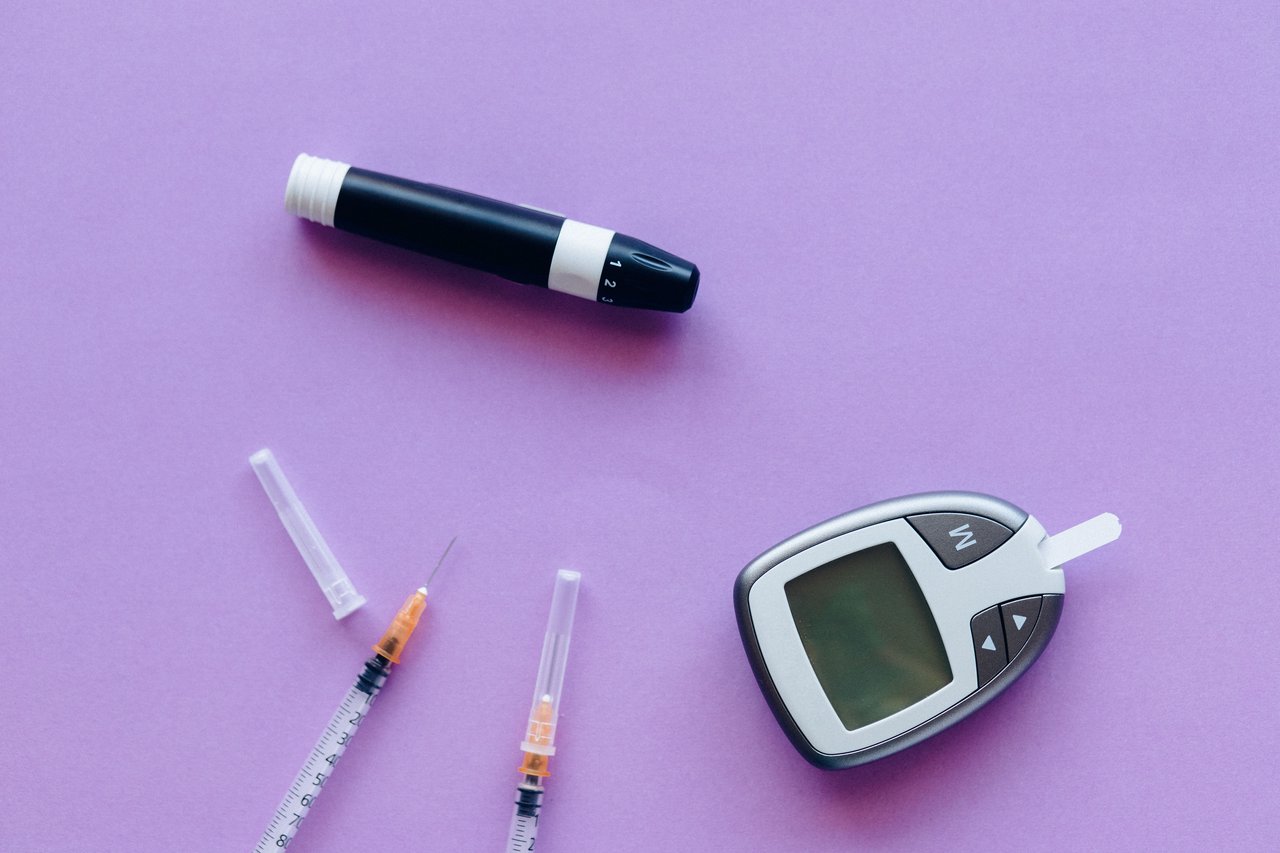
Alcohol disrupts glucose metabolism and insulin sensitivity, increasing the risk of developing type 2 diabetes. It can also interfere with diabetes management, making blood sugar control more challenging.
12. Chronic Kidney Disease
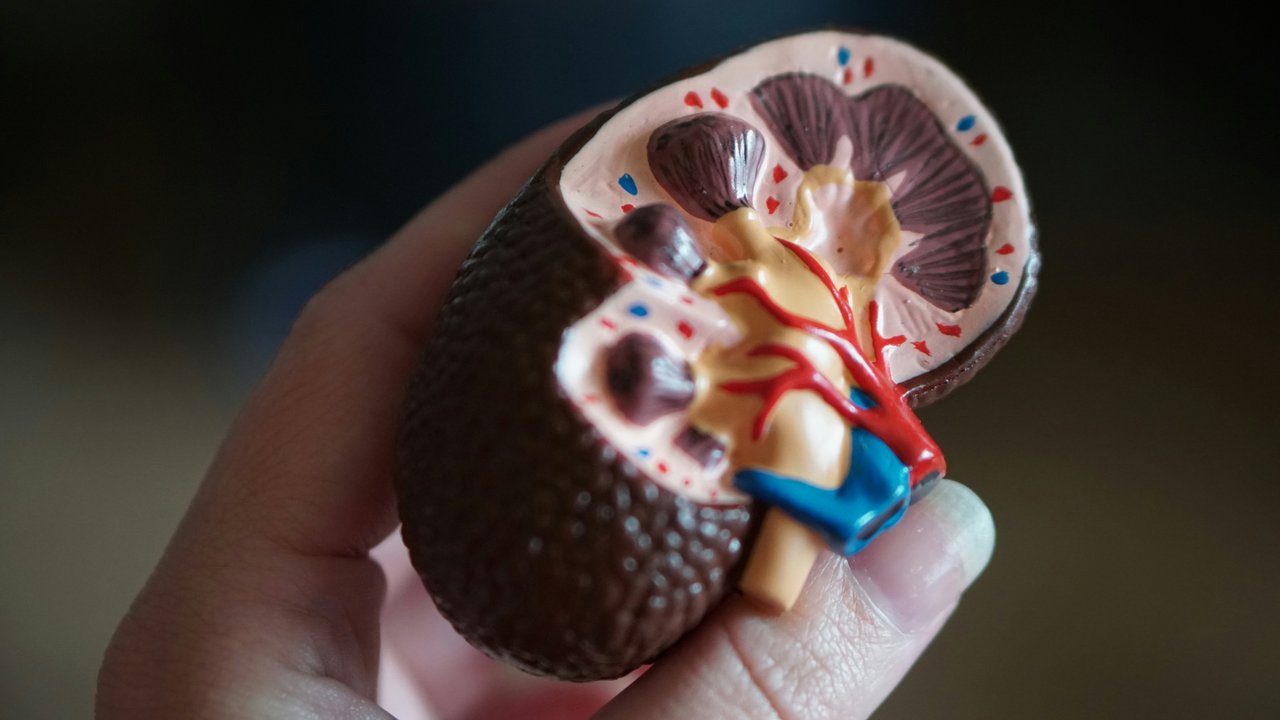
Alcohol’s dehydrating effects and impact on blood pressure can damage kidney function over time. Regular consumption raises the risk of chronic kidney disease and accelerates its progression.
13. Migraine

Alcohol is a common migraine trigger due to its effects on blood vessels and neurotransmitters. Even small amounts can initiate severe headache episodes, disrupting daily life for migraine sufferers.
14. Mental Health Disorders

Alcohol worsens anxiety, depression, and bipolar disorder symptoms. It alters brain chemistry and impairs emotional regulation, increasing the likelihood of mental health crises and suicidal thoughts.
15. Alzheimer’s Disease and Dementia
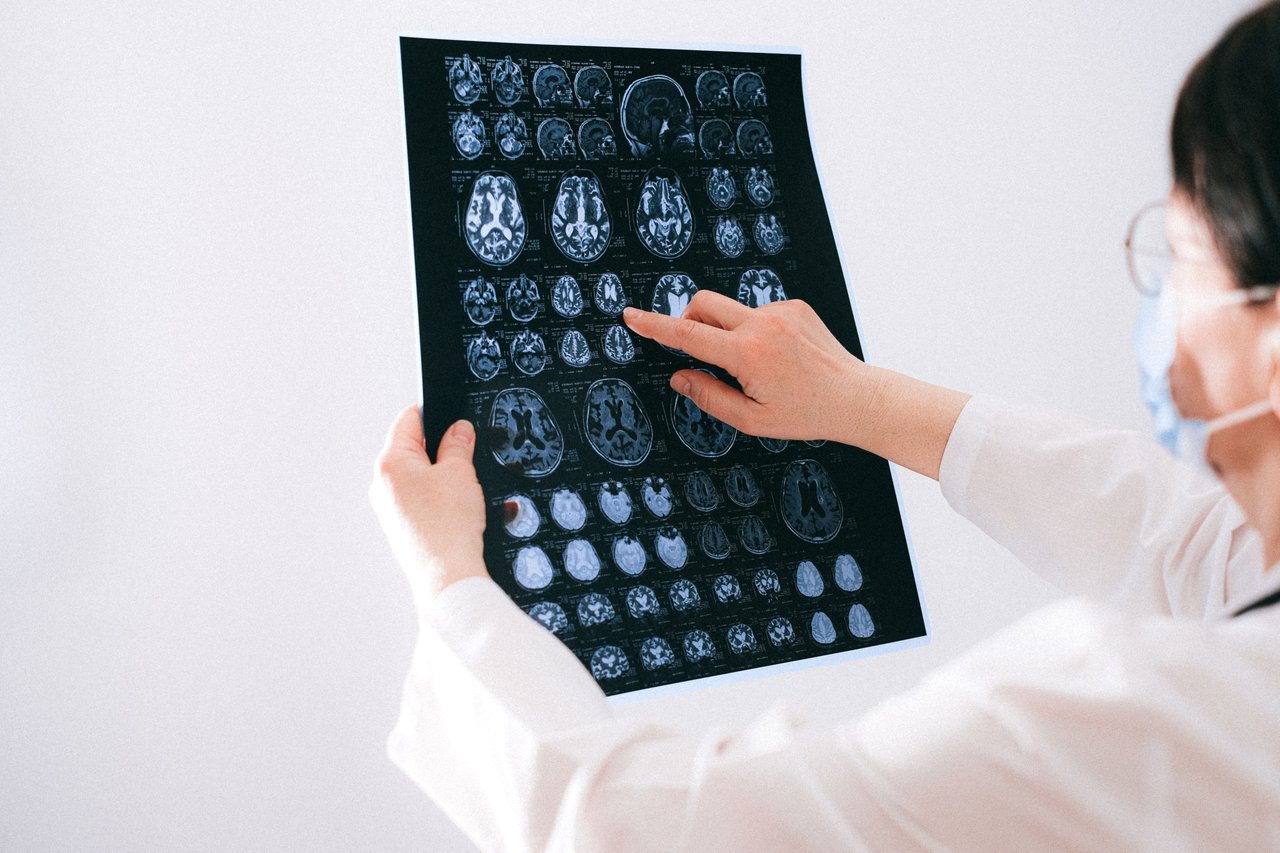
Long-term alcohol use contributes to brain shrinkage and cognitive decline. It increases the risk of developing Alzheimer’s disease and other dementias by damaging neurons and promoting inflammation in brain tissue.
16. Psoriasis
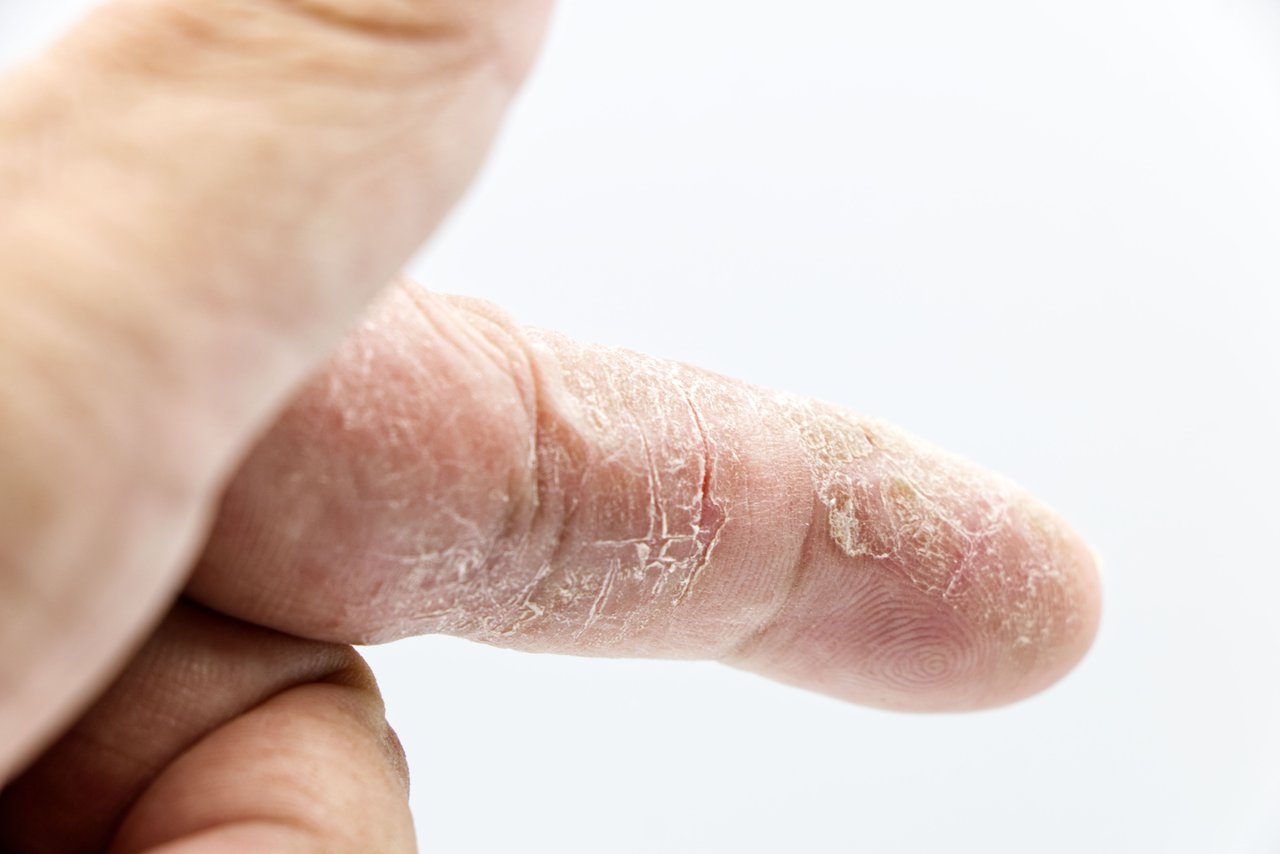
Alcohol can trigger or aggravate psoriasis flare-ups by affecting the immune system and increasing skin inflammation. People with psoriasis who drink often experience more severe symptoms.
17. Sleep Disorders

Although alcohol may initially induce sleepiness, it disrupts sleep cycles and reduces REM sleep quality. This leads to poor restorative sleep and worsens conditions like insomnia and sleep apnea.
18. Eye Health Problems
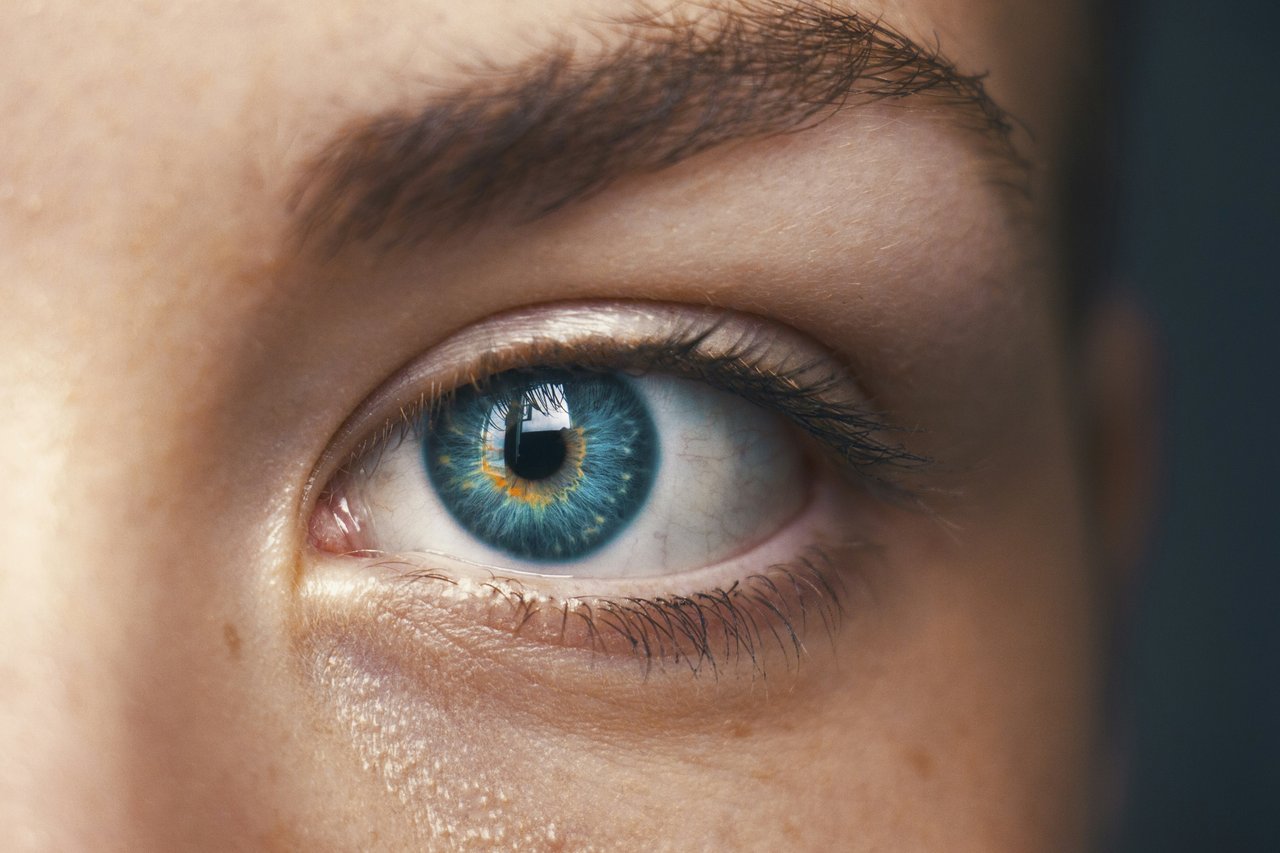
Alcohol consumption is linked to an increased risk of cataracts and age-related macular degeneration. It can impair nutrient absorption critical for eye health and promote oxidative stress damaging eye tissues.
19. Weight Management Issues
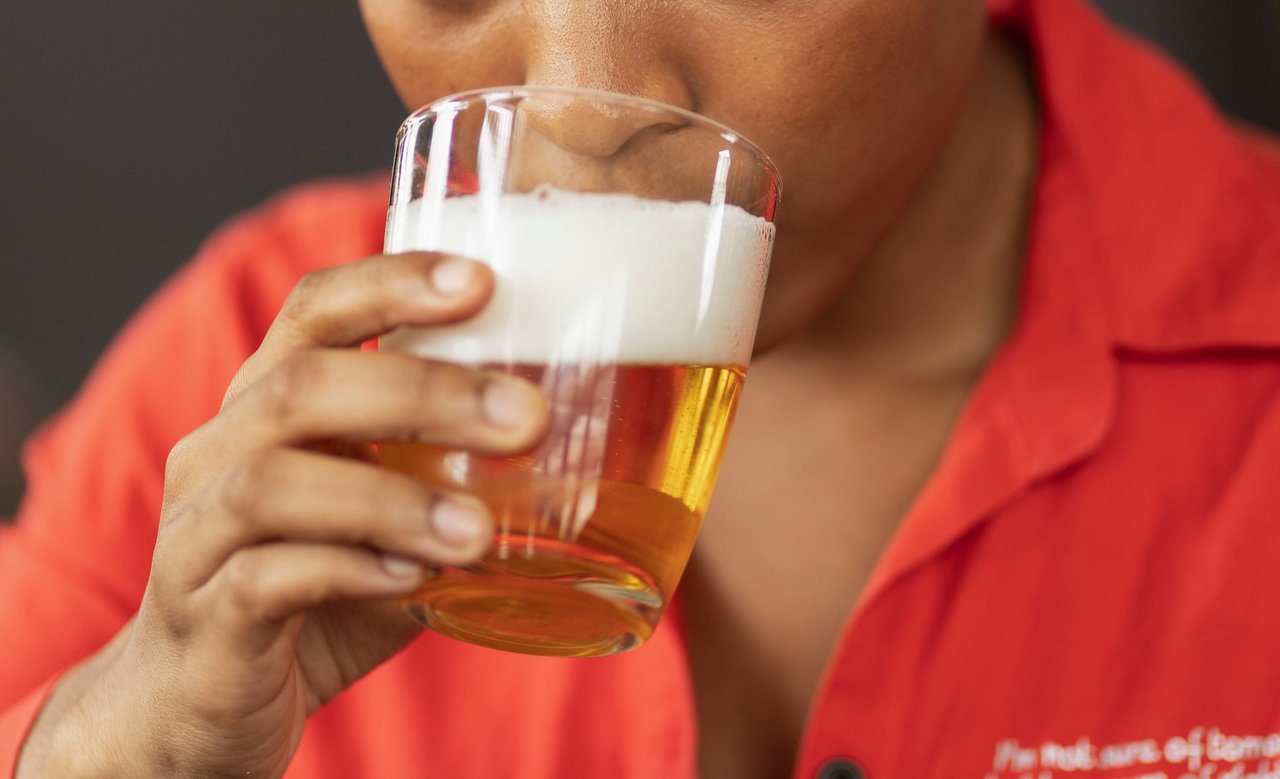
Alcohol is calorie-dense and often leads to poor dietary choices, contributing to weight gain and obesity. Excess weight further increases the risk of many health disorders linked to alcohol.
20. Menopause Symptom Worsening

Alcohol can exacerbate menopausal symptoms such as hot flashes, night sweats, and mood swings. It interferes with hormone balance during this critical phase, reducing quality of life for many women.
Understanding the wide-ranging health risks associated with alcohol is essential for making informed decisions about drinking. Even moderate amounts can contribute to serious conditions, so staying aware and cautious can protect your long-term health in 2026 and beyond.