9 Weird Laws Still on the Books in the US That Will Surprise You
Discover 9 bizarre and surprising laws still active across the US in 2026 that prove truth is stranger than fiction.
Pixabay/Pexels
Even in 2026, the United States is home to some truly strange laws that have somehow survived decades, baffling residents and visitors alike. These quirky statutes range from the hilarious to the downright bizarre, revealing a fascinating glimpse into local histories and cultures. Let’s explore nine weird laws still on the books that might just make you question reality.
1. No Ice Cream Cones in Your Back Pocket – Alabama

In Alabama, it is illegal to carry an ice cream cone in your back pocket. This peculiar law dates back to the 19th century when horse thieves allegedly used this trick to lure horses away without technically stealing them. While enforcement is practically nonexistent in 2026, the law remains a quirky reminder of past horse-related crimes.
2. No Walking Backwards While Eating a Donut – Massachusetts

Massachusetts still has a law on the books forbidding people from walking backwards while eating a donut on a public street. The origin is unclear, but it likely stems from old public safety ordinances aimed at preventing accidents. Today, it serves as a humorous example of overly specific legislation that has never been repealed.
3. No Whistling Underwater – Vermont
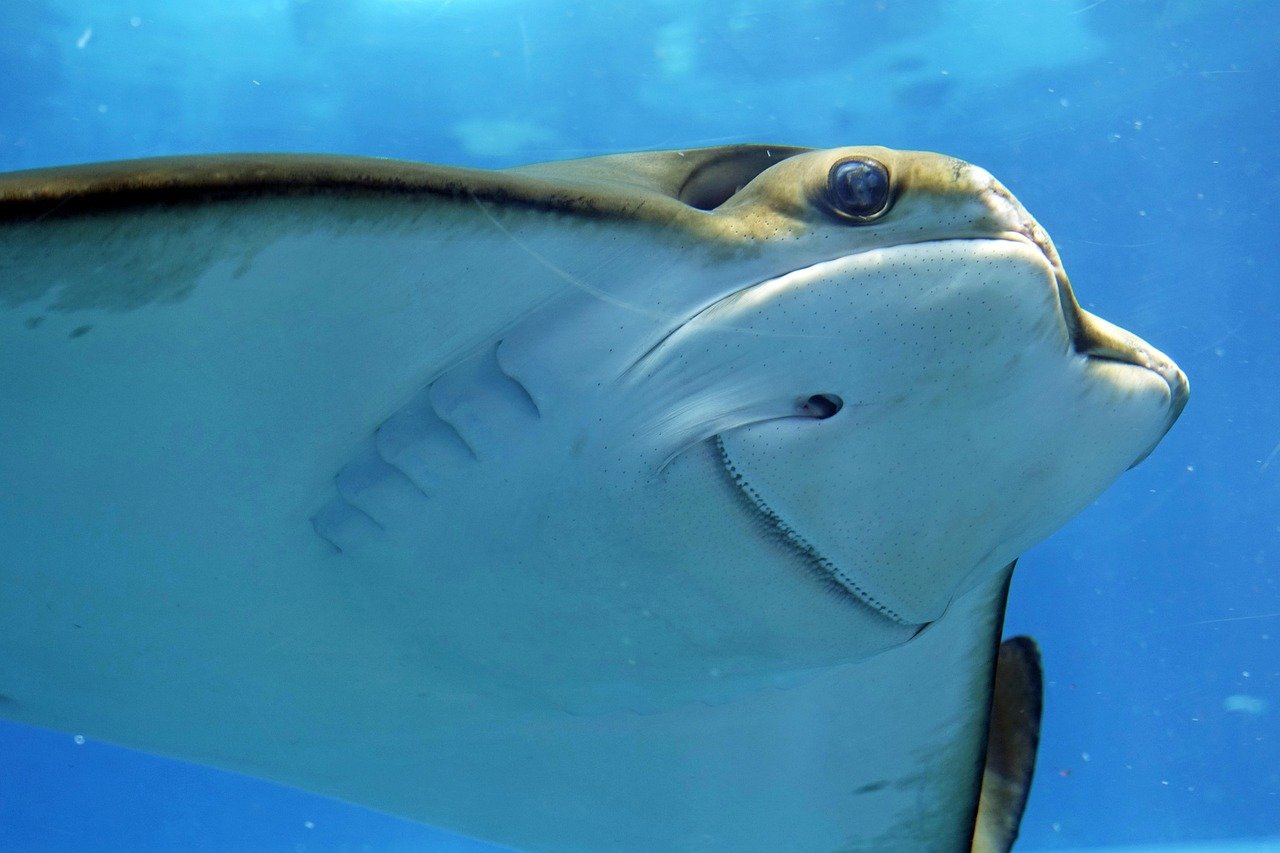
Believe it or not, whistling underwater is illegal in Vermont. This law, which sounds like a joke, reportedly originated to avoid disturbing aquatic wildlife in the state’s lakes and rivers. While it’s rarely if ever enforced in 2026, it’s a fascinating example of how environmental concerns influenced unusual local laws.
4. No Wearing a Hat That Obscures Your Face in Public – New York City

In New York City, it is technically illegal to wear a hat that hides your face in public places, a law intended to prevent disguises that could facilitate crime. Although this law is rarely enforced, it remains relevant in 2026 amid ongoing discussions about public safety and anonymity in crowded urban environments.
5. No Feeding Pigeons at Certain Times – San Francisco, California

San Francisco has restrictions on feeding pigeons during specific hours to control the bird population and reduce public nuisance. This law aims to protect the city’s cleanliness and is actively enforced as of 2026, with fines issued to repeat offenders caught feeding pigeons in prohibited zones or times.
6. No Dancing After Midnight Without a Permit – Miami, Florida

Miami still enforces a law requiring venues to have a permit for dancing after midnight. Originally enacted to control noise and public disturbances, this law has been a point of contention among club owners and dancers. In 2026, it remains in effect, ensuring that late-night parties comply with city regulations.
7. No Using a Lasso to Catch a Fish – Oklahoma

Oklahoma prohibits using a lasso to catch fish, a law that might seem odd until you consider the state’s deep cowboy and fishing traditions. This law protects fish populations from unfair or unsafe capture methods, and while rarely challenged, it still stands firm in 2026 as part of wildlife conservation efforts.
8. No Carrying a Dead Fish in Your Pants – Arizona
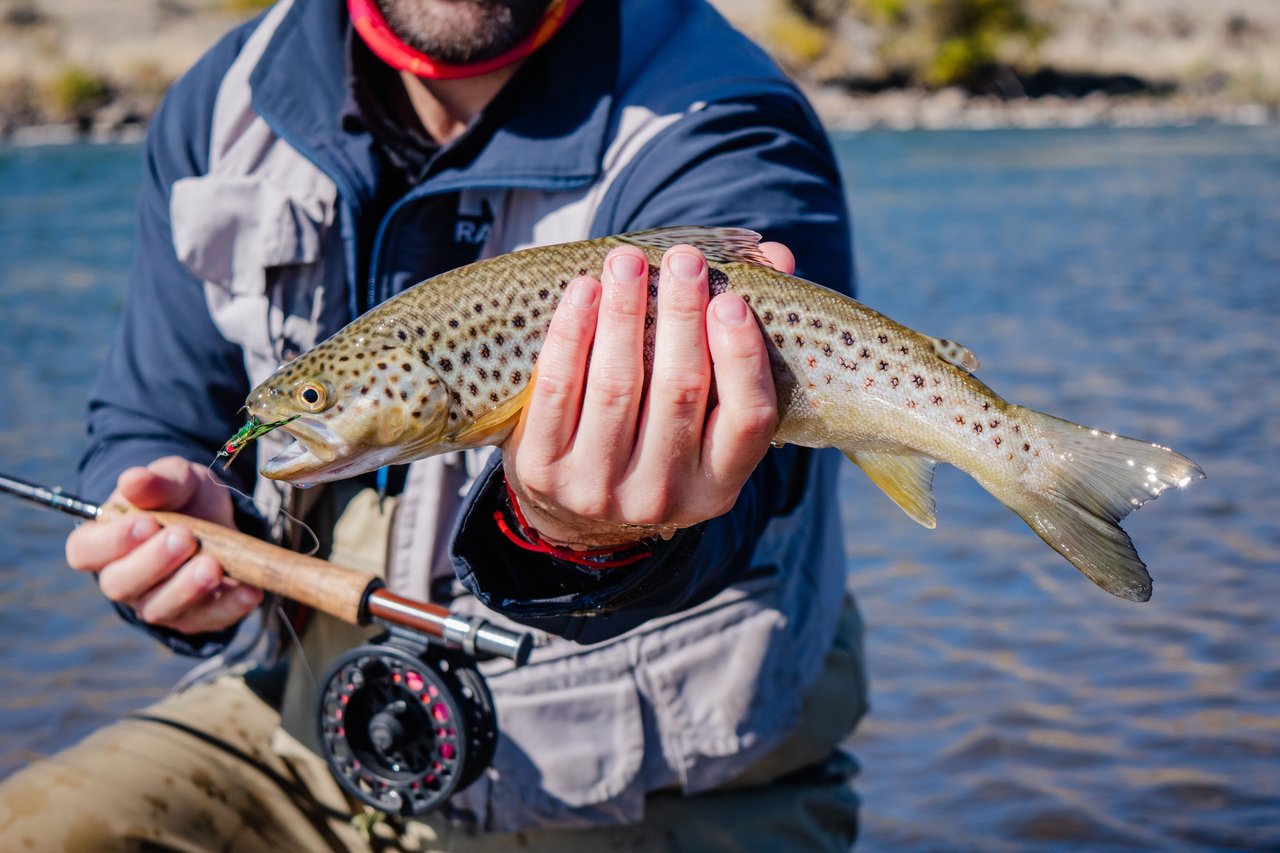
In Arizona, it’s illegal to carry a dead fish in your pants. This bizarre law was originally designed to prevent people from smuggling fish or evading fishing limits. Even in 2026, this odd statute remains on the books, more as a historical curiosity than a practical regulation.
9. No Selling Haunted Houses Without Disclosure – New York State

New York State requires sellers to disclose if a house is reputed to be haunted. This law protects buyers from superstitions or psychological harm related to paranormal claims. As of 2026, real estate agents take this seriously, adding a unique twist to property transactions in certain regions.
These nine weird laws remind us that history and culture can create some truly strange rules that linger long after their original purpose fades. Whether still enforced or simply odd relics, they add color to the legal landscape of the US in 2026 and beyond.