At Every Turn, Trump’s Consumer Aid Plans Face Fierce Resistance in Washington
President Trump’s proposals to assist U.S. consumers are repeatedly blocked by lawmakers and regulatory hurdles in 2026.
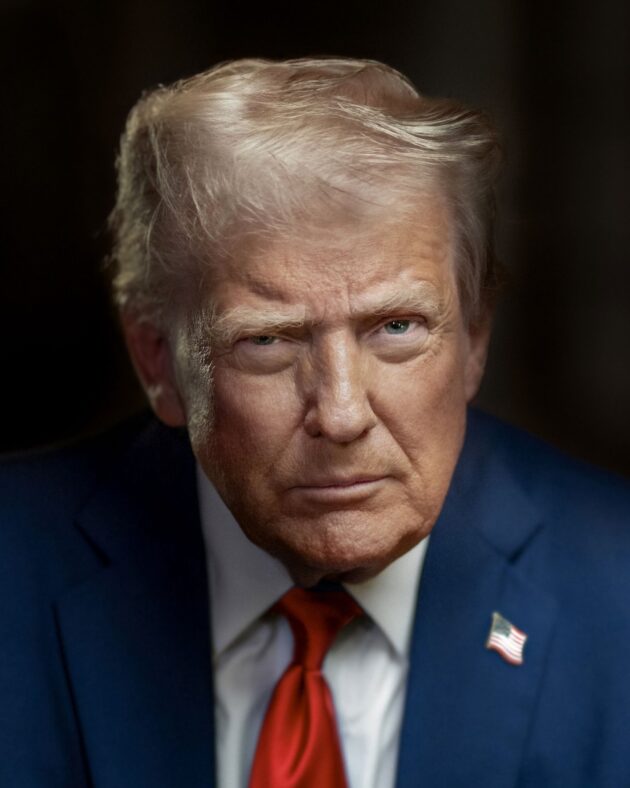
Daniel Torok/Wikimedia Commons
President Donald Trump’s second term has been marked by ambitious efforts to provide relief to U.S. consumers, but his proposals continue to encounter significant resistance from Congress, regulatory agencies, and industry groups. As of late September 2026, many of the administration’s key initiatives aimed at lowering costs and increasing consumer protections have stalled or been diluted amid political gridlock and economic debate.
Key Consumer Aid Proposals and Their Challenges
Since his inauguration in January 2025, President Trump has pushed several consumer-focused policies, including price caps on prescription drugs, expanded tax credits for low-income families, and new regulations targeting corporate transparency in pricing. However, many of these initiatives have faced intense hurdles. Congressional Democrats, while occasionally supporting some relief measures, have criticized the administration’s broader economic approach, arguing it favors corporations over consumers. Meanwhile, some Republicans express concern about increased government intervention and fiscal impact.
For example, the proposed federal cap on insulin prices, which aimed to limit out-of-pocket costs for millions of Americans, has been watered down after fierce lobbying from pharmaceutical companies and resistance in the Senate. Similarly, the expansion of the Child Tax Credit to further aid struggling families has stalled amid budgetary disputes.
Regulatory Roadblocks and Industry Opposition
Beyond Congress, regulatory agencies have also slowed or complicated President Trump’s consumer initiatives. The Federal Trade Commission and the Department of Health and Human Services have been cautious in implementing new rules that could disrupt existing market dynamics. Industry groups representing pharmaceutical companies, insurance providers, and major retailers have mounted aggressive campaigns to oppose regulations they say would harm innovation and economic growth.
These groups argue that price controls and aggressive regulatory mandates could lead to shortages or reduced investment in research and development. President Trump’s administration has at times pushed back, highlighting the urgent need to address inflationary pressures and the rising cost of living for everyday Americans.
Political Dynamics in a Divided Government
Although Republicans control the White House, Senate, and House of Representatives in 2026, internal party divisions complicate legislative success. A coalition of moderate and conservative Republicans has expressed skepticism about expansive consumer aid programs, fearing higher federal spending and regulatory overreach. This faction’s influence has often diluted President Trump’s proposals in key committees and during floor debates.
Speaker Mike Johnson and Senate Majority Leader John Thune have worked to balance party priorities, focusing on tax cuts and deregulation while cautiously supporting targeted consumer relief. Vice President JD Vance has been active in advocating for specific measures, but the administration’s legislative agenda remains a delicate negotiation.
Public Reaction and Economic Implications
Public opinion polls in 2026 show Americans remain concerned about rising costs, especially for healthcare, housing, and energy. Many consumers welcome President Trump’s attention to these issues but express frustration over the slow progress and partisan battles. Advocates for consumer rights argue that stronger, more decisive action is needed to ease financial burdens on families across the country.
Economists warn that while some regulatory relief might stimulate short-term market stability, unresolved conflicts and uncertainty could undermine long-term growth. The administration’s challenge is to craft policies that satisfy both economic pragmatism and the urgent demands of everyday Americans.
As the year progresses toward the 2026 midterm elections, President Trump’s consumer aid initiatives will remain a key point of contention in Washington, reflecting broader national debates over the role of government in addressing economic challenges.