Trump Pauses Tariffs on 300,000 Tons of Foreign Beef, Sparking Rancher Backlash
President Trump suspends tariffs on 300,000 tons of foreign beef, igniting fierce opposition from American ranchers.
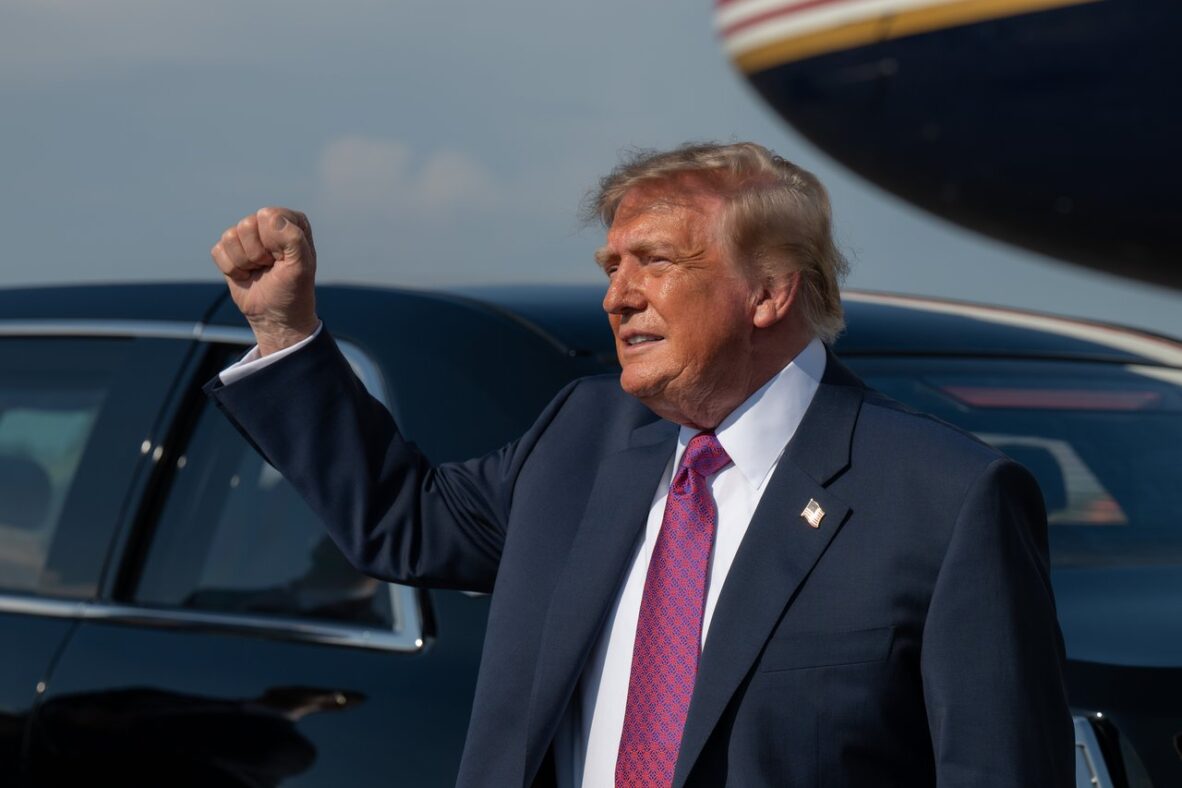
NASA/John Kraus/NASA
President Donald Trump announced a temporary suspension of tariffs on 300,000 tons of foreign beef this week, a move aimed at easing supply chain pressures and lowering beef prices for consumers. However, the decision has sparked immediate backlash from American ranchers, especially in North Carolina and across key agricultural states, who warn the pause threatens domestic producers’ livelihoods.
Details of the Tariff Suspension
On September 25, 2026, the White House declared a pause on the 25% tariffs imposed on beef imports from several countries, including Brazil, Australia, and Argentina. The suspension is set to last for six months, with a potential review for extension depending on market conditions. The administration cited rising beef prices nationwide and supply chain disruptions as key reasons behind the move.
“This temporary measure will help stabilize beef prices for American families facing inflationary pressures,” said White House Press Secretary in a statement. The suspension covers roughly 300,000 tons of beef, roughly 10% of annual US beef imports, and is intended to increase availability in domestic markets.
Ranchers Voice Strong Opposition
American ranchers and cattle industry groups quickly condemned the decision, arguing it undercuts domestic producers who already face rising feed costs and labor shortages. The National Cattlemen’s Beef Association (NCBA) called the tariff pause “a blow to hardworking American ranchers who rely on fair trade policies.”
Local ranchers in Wayne and Duplin counties expressed frustration. “This isn’t just business, it’s our way of life,” said Sarah Jenkins, a third-generation cattle rancher near Mount Olive. “Opening the doors wider to foreign beef floods the market and pushes down prices when we’re barely breaking even.”
Several state legislators from North Carolina have signaled their intent to push for stronger protections for domestic ranchers in upcoming policy sessions, citing the economic importance of the beef industry to rural communities.
Economic and Political Implications
Experts note that the tariff suspension reflects a balancing act by President Trump’s administration between consumer interests and agricultural stakeholders—particularly as inflation remains a key voter concern heading into the 2026 midterms.
“The administration is prioritizing immediate relief for consumers at grocery stores but risks alienating a core Republican constituency—ranchers and farmers,” said Dr. Emily Carter, an agricultural economist at North Carolina State University. “This move could fuel tensions within the GOP base, especially in rural areas.”
Trade analysts also point out that the suspension may influence ongoing trade negotiations with major beef-exporting countries, potentially opening doors to long-term changes in beef market dynamics.
Impact on Local Beef Markets
In Wayne and Duplin counties, beef production remains a critical economic sector. The tariff pause is expected to increase competition from imported beef, which typically sells at lower prices than domestic beef due to production cost differences.
Local markets have already reported a slight dip in prices following the announcement, affecting ranchers’ profit margins. Industry insiders warn that if the suspension extends beyond six months, some small and mid-sized producers could struggle to stay afloat.
To adapt, some ranchers are exploring value-added products and direct-to-consumer sales to maintain profitability. Others are calling for state and federal assistance to offset losses attributed to foreign competition.
Despite the challenges, some consumer groups have welcomed the tariff suspension, noting that more affordable beef is critical for families managing tight budgets amid ongoing economic uncertainty.
President Trump’s tariff suspension on foreign beef has introduced a new flashpoint in the debate over trade, agriculture, and economic policy. As ranchers rally against what they see as an unfair disadvantage, the administration faces pressure to balance multiple competing interests in the months ahead.