President Trump Rolls Back Fuel Economy Standards, Citing Lower Car Prices
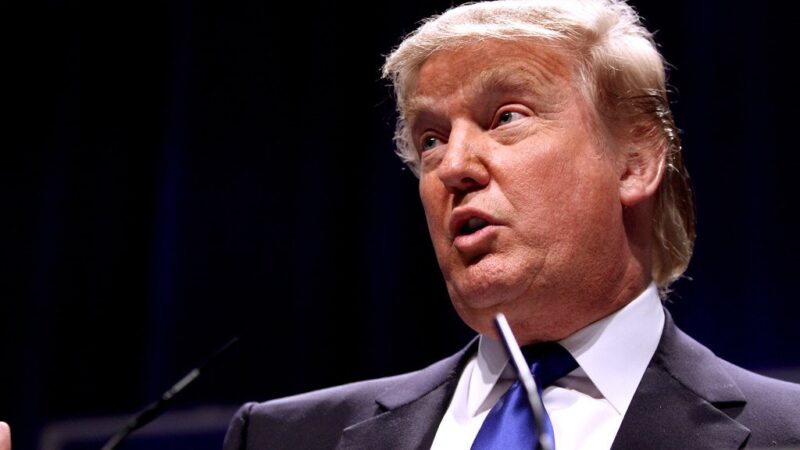
President Trump announces rollback of fuel economy rules, claiming it will reduce car prices and boost the auto industry nationwide.
Shealeah Craighead/Wikimedia Commons
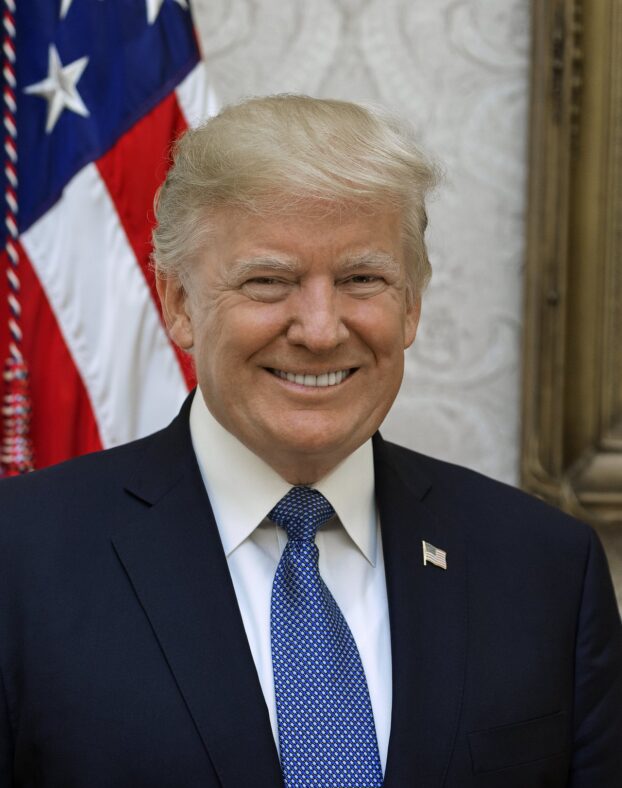
President Donald Trump announced on September 27, 2026, a significant rollback of federal fuel economy standards aimed at easing regulatory burdens on automakers. Speaking at the White House, Trump claimed the changes would lead to lower car prices for consumers and give the U.S. auto industry a competitive boost. The move reverses regulations set during previous administrations and has sparked debate among environmentalists, industry leaders, and policymakers nationwide.
Details of the New Fuel Economy Rollback
The Trump administration unveiled revised Corporate Average Fuel Economy (CAFE) standards that relax the requirements for average miles per gallon that automakers must meet across their fleets. The new rules extend the timeline for compliance and reduce the stringency of fuel efficiency targets through 2035. According to the Environmental Protection Agency (EPA), the updated standards will allow automakers to produce more traditional internal combustion engine vehicles without facing heavy penalties.
President Trump emphasized that the rollback is designed to lower the manufacturing costs of vehicles, which he argues will translate into more affordable prices for American buyers at dealerships. “These regulations were driving up car prices and hurting hardworking Americans,” Trump said, adding that the changes will “bring relief to families and help revive our great auto industry.”
Industry and Consumer Reactions
Major U.S. automakers welcomed the announcement, praising the administration for reducing what they called “onerous” regulations. Executives from Detroit’s Big Three—General Motors, Ford, and Stellantis—issued joint statements supporting the new standards as a path toward economic growth and job preservation in manufacturing hubs across the country, including in North Carolina’s automotive supply sectors.
Conversely, environmental groups and many consumer advocates expressed strong opposition. They warn that the rollback could increase greenhouse gas emissions, worsen air quality, and undermine efforts to combat climate change. “This is a step backward for public health and our planet,” said a representative from the Sierra Club. Some consumer rights organizations also question whether the promised savings on car prices will materialize, citing concerns over long-term fuel costs.
Environmental and Public Health Implications
Experts note that easing fuel economy standards generally leads to increased fuel consumption and higher emissions of pollutants such as carbon dioxide and nitrogen oxides. This has potential consequences for air quality, particularly in regions already struggling with pollution-related health issues. Wayne and Duplin counties, for instance, have seen rising concerns about respiratory illnesses linked to environmental factors.
The EPA estimates that the rollback could result in millions of additional tons of carbon emissions annually by 2035, potentially slowing progress toward national climate goals. Health officials caution that increased pollution may exacerbate asthma and other respiratory conditions, particularly among vulnerable populations such as children and the elderly.
Political Context and Future Outlook
The rollback fits within President Trump’s broader agenda to reduce federal regulations deemed harmful to economic growth. It follows a series of deregulatory actions taken since his second inauguration in January 2025. The Republican-controlled Congress has largely supported these moves, although some moderate lawmakers have expressed reservations about environmental impacts.
Looking ahead, the new standards are likely to face legal challenges from states and environmental organizations. Several Democratic-led states, including California, have previously set their own stricter emissions standards and may continue to enforce those rules independently. This could result in a patchwork of regulations complicating auto manufacturing and sales.
As the nation adjusts to these changes, consumers, industry stakeholders, and policymakers will be watching closely to see whether the rollback delivers on its promises of lower vehicle prices without sacrificing environmental and public health protections.