Attorney General Todd Blanche Faces Court Backlash Over Epstein Files Delay
Attorney General Todd Blanche criticized in court for months-long delay in complying with Epstein files review order.
Uploaded image
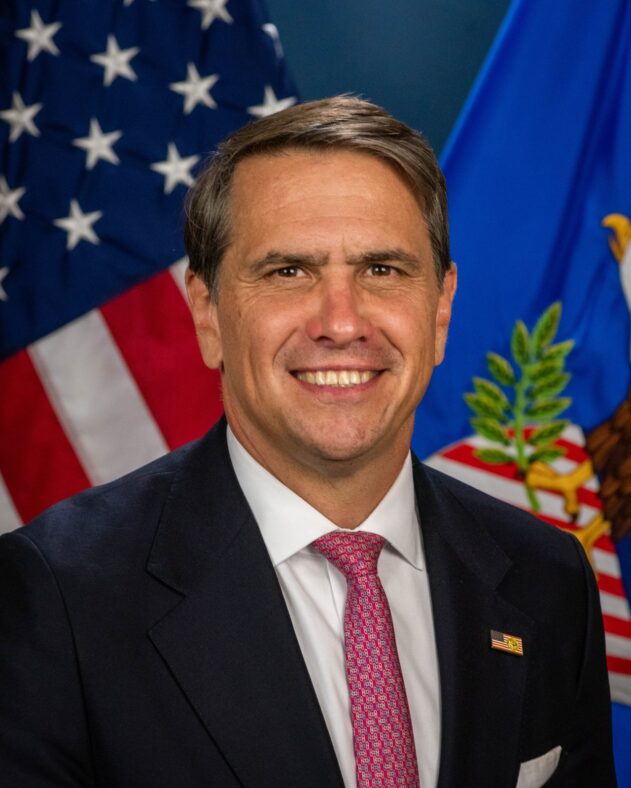
Attorney General Todd Blanche is under fire in federal court after his months-long delay in complying with a judicial order to review Jeffrey Epstein files, prompting sharp criticism from both the presiding judge and the plaintiff’s legal team. The dispute centers on Blanche’s failure to meet deadlines set by U.S. District Judge Emmet G. Sullivan requiring a review of Epstein-related documents, including those written in foreign languages. Blanche’s recent last-minute request to pause the review deadline has been characterized by opponents as a procedural misstep and an attempt to circumvent court mandates.
Background of the Epstein Files Transparency Case
The controversy stems from the Epstein Files Transparency Act, legislation designed to ensure public access to records related to Jeffrey Epstein’s criminal activities. Katie Phang, a journalist, filed a lawsuit against Attorney General Blanche and the Justice Department after repeated delays in complying with court orders to review and release the files. Judge Sullivan first ordered Blanche to begin the review process in June 2026 following the department’s claim that reviewing foreign-language files was impractical.
Despite the clear deadline of July 2, Blanche did not begin reviewing the documents until months later, prompting the court to issue a renewed order in mid-September 2026 requiring an immediate start on the review. Blanche’s failure to meet these deadlines has intensified scrutiny and legal pushback.
Court Criticism and Legal Arguments Against Blanche
Blanche’s legal team filed a motion late on Friday, September 18, 2026, asking Judge Sullivan to delay the September 24 deadline for reviewing Epstein files written in foreign languages while they appeal the order. However, Phang’s attorneys argued this request was both untimely and procedurally improper, noting that Blanche waited 85 days after the initial June order to seek relief and failed to communicate with opposing counsel before filing, violating court rules.
Phang’s lawyers stated bluntly that Blanche “has only himself to blame” for the lack of time to appeal and comply with the court’s orders, criticizing the Attorney General’s disregard for professional norms. Judge Sullivan has also weighed in, rejecting the Justice Department’s argument that administrative burdens excuse noncompliance, emphasizing that meeting statutory obligations is mandatory regardless of inconvenience.
Implications for the Justice Department and President Trump
The conflict places Attorney General Blanche in a difficult position, particularly given his past as a defense attorney for President Donald Trump. The court’s recent orders also require Blanche to provide handwritten FBI notes from interviews related to sexual assault allegations against President Trump, a highly sensitive matter that Blanche’s motion to pause does not cover. This intensifies the public and legal scrutiny on Blanche’s handling of both the Epstein files and related investigations.
The ongoing legal battle highlights tensions within the Justice Department under President Trump’s administration, where transparency advocates argue that court orders and public trust are being undermined by delays and inconsistent communications.
Next Steps in the Legal Battle
Judge Sullivan has set a tight timeline for Blanche to comply with the review order or face potential contempt of court. In previous hearings, Sullivan warned Blanche’s legal team that noncompliance could lead to serious consequences, referencing his willingness to hold Justice Department attorneys in contempt as early as 2009 to ensure justice is served.
Blanche’s attempt to appeal the enforcement order is viewed by Phang’s legal team as an improper effort to raise arguments he neglected earlier, and the court is expected to issue a ruling on the stay request promptly. Meanwhile, the transparency lawsuit continues to shine a spotlight on the Justice Department’s handling of sensitive Epstein-related materials and its obligations under the law.
As the case unfolds, Attorney General Todd Blanche’s actions and the Justice Department’s compliance with court orders will remain under close observation by the media, legal experts, and the public, underscoring the ongoing demand for accountability in high-profile investigations linked to Jeffrey Epstein and President Trump.