Bitcoin and Ethereum Prices Dip Amid Anticipation of Inflation Data
Bitcoin and Ethereum prices fell Thursday as investors await key inflation data expected to influence market direction.
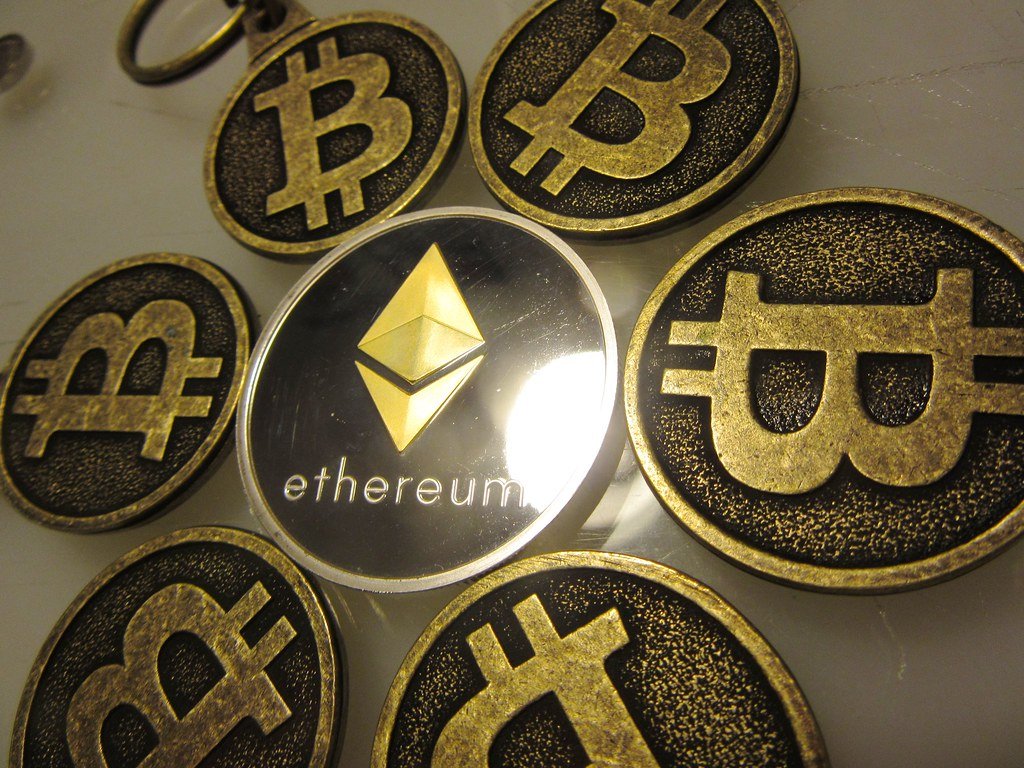
btckeychain/Flickr
Bitcoin and Ethereum, the two largest cryptocurrencies by market capitalization, experienced a notable price decline on Thursday, September 10, 2026. The drop comes as investors and traders brace for the release of critical inflation data later in the day, which could significantly impact market sentiment and future monetary policy decisions.
Crypto Market Reaction to Inflation Expectations
Cryptocurrency markets have been sensitive to macroeconomic indicators throughout 2026, with inflation data playing a pivotal role in shaping investor confidence. On Thursday morning, Bitcoin (BTC) fell below the $45,000 mark, down approximately 3% from its previous close. Ethereum (ETH) also saw a decline, trading near $3,200, down nearly 4% amid the cautious market mood.
Analysts attribute this pullback to growing uncertainty ahead of the U.S. Consumer Price Index (CPI) report scheduled for release later today. The CPI data is closely watched as it signals inflation trends that could influence the Federal Reserve’s policy decisions, including potential interest rate moves. Higher-than-expected inflation could pressure cryptocurrencies as investors reassess risk assets, while a lower reading might provide relief and renewed optimism.
Impact of Federal Policies on Cryptocurrency Prices
Since President Donald Trump’s inauguration for his second term in January 2025, the Republican-controlled government and Federal Reserve policies have played an influential role in financial markets, including cryptocurrencies. With ongoing debates on inflation control, monetary tightening, and regulatory frameworks for digital assets, crypto prices have exhibited volatility tied to policy signals.
Market watchers note that any indication of continued or accelerated rate hikes could dampen appetite for riskier assets like Bitcoin and Ethereum. Conversely, signs of easing inflationary pressure might encourage inflows back into the crypto space, which has seen increased institutional interest in recent years.
Investor Sentiment and Market Trends
Investor sentiment remains cautious as many crypto traders adopt a wait-and-see approach ahead of the inflation report. Trading volumes have moderated, reflecting uncertainty about near-term price direction. Some investors are using the current dip as a buying opportunity, betting on the long-term growth potential of blockchain technologies and decentralized finance.
Experts suggest that while short-term volatility is likely to continue, the broader trend for major cryptocurrencies could stabilize if inflation shows signs of easing. Market participants are also watching global economic conditions, including supply chain dynamics and geopolitical developments, which can indirectly affect crypto valuations.
Looking Ahead: What to Expect Post-Inflation Report
Once the inflation data is released, traders expect immediate price reactions as the market digests the new information. Key factors to monitor include:
- Whether the inflation rate exceeds or falls below consensus estimates
- The Federal Reserve’s likely response to the inflation data
- Shifts in investor risk appetite across asset classes
Analysts recommend that retail investors approach the market with caution amid these fluctuations, emphasizing the importance of diversification and risk management in volatile periods.
As September progresses, the cryptocurrency market remains poised for further movements driven by macroeconomic news and policy shifts. Traders and investors across Wayne County, Duplin County, and North Carolina will be watching closely to see how these factors shape the digital asset landscape.