Dentists Are Recommending Procedures You Do Not Actually Need and Here Is How to Tell the Difference
Navigating dental treatment plans can be confusing. Learn how to discern truly necessary procedures from optional recommendations, guided by national standards and practical advice.

.hj barraza/flickr (BY-SA)
Dental health is a cornerstone of overall well-being, but when it comes to treatment plans, costs can be significant, reaching tens of billions of dollars annually in the United States. It’s not uncommon for patients to receive varying recommendations from different offices, leaving many to wonder: is this crown, deep cleaning, or replacement filling truly necessary?
Thankfully, guidance from reputable bodies like the American Dental Association, the CDC, and state dental boards can help empower you to make informed decisions about your oral care.
Understanding National Guidance and Your Rights
At the heart of ethical dental practice is the principle that patient welfare comes first. The American Dental Association (ADA) emphasizes this in its Principles of Ethics and Code of Professional Conduct, setting a clear baseline for appropriate treatment. This means your dentist should always act in your best interest. The ADA also stresses the importance of informed consent, which requires your dentist to thoroughly explain the diagnosis, the proposed treatment, potential risks, expected benefits, and any reasonable alternatives before any work begins.
While the Centers for Disease Control and Prevention (CDC) doesn’t dictate whether you need a specific crown or a scaling and root planing procedure, its updated guidance for oral health and infection control settings provides clinical expectations for documentation and standard practice. Practically speaking, this empowers you to ask for specific details: the exact diagnosis, the tooth number involved, and supporting X-rays, whether they are new or from prior visits.
Consumer advocates and state regulators often point to high-pressure tactics as a red flag. If you feel pressured to approve a costly procedure on the same day without adequate time for review, it’s a clear warning sign. Seeking a second opinion is a routine and wise safeguard, and many dental benefit plans and employer networks, especially when a treatment plan involves several crowns, implants, or periodontal procedures, readily allow for one.
What to Expect from State and Local Offices: Documentation is Key
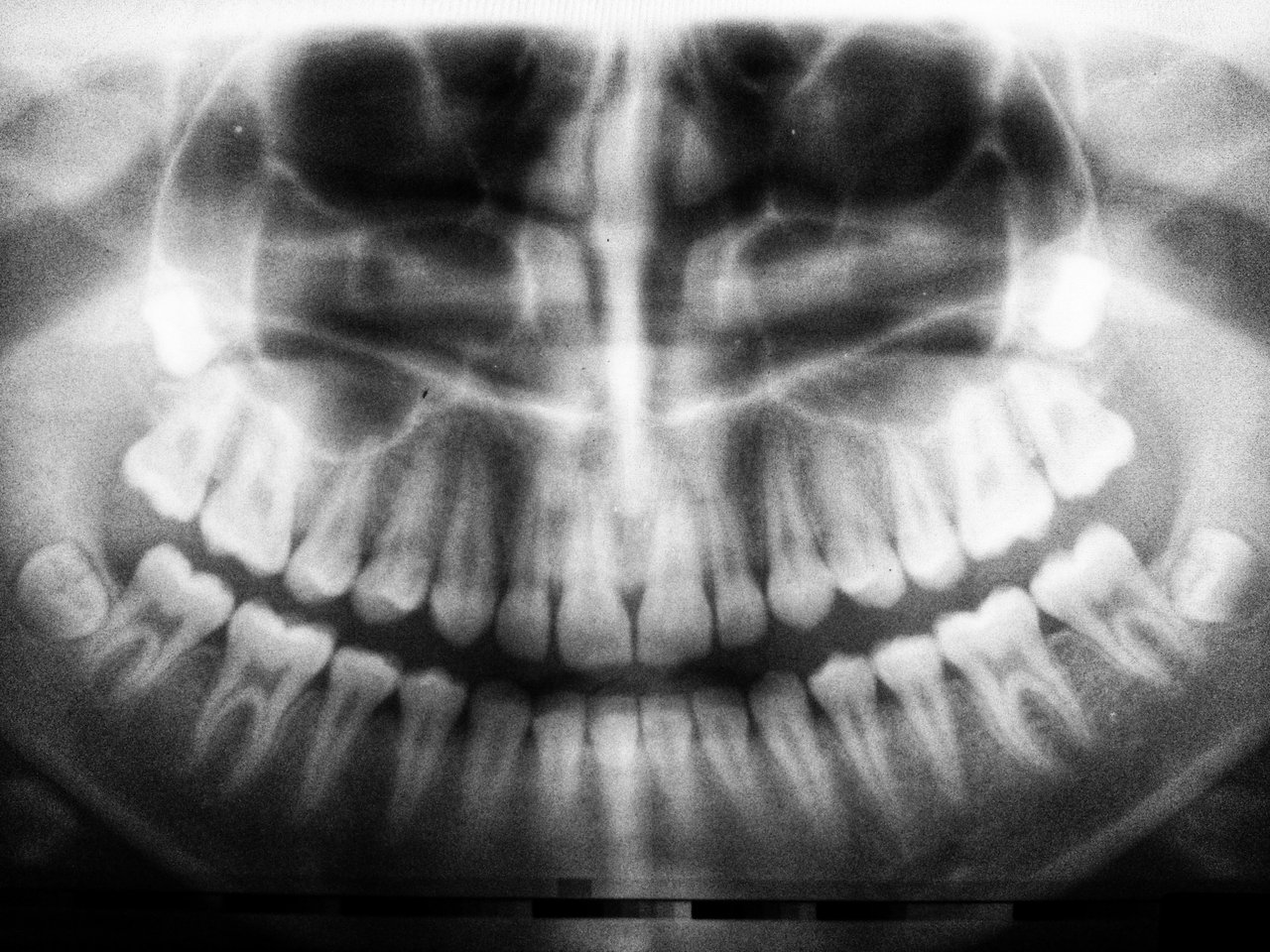
Complaints about overtreatment, substandard care, and recordkeeping are handled by state dental boards, such as those in California, Texas, and Florida. While no single national count of unnecessary procedures exists, these boards investigate issues at the local level. This means you, as the patient, often rely on your own visit records—including periodontal charting, cavity measurements, and radiographs—to compare recommendations.
What’s typically confirmed at the local level is whether a dentist documented specific issues like decay, bone loss, cracked tooth structure, or gum-pocket depths that genuinely support the proposed care. It’s not always easy for a patient to know if a recommendation stems from a legitimate difference in clinical judgment or a pattern that regulators might view as improper.
Your dental insurance can also provide an important layer of scrutiny. Major carriers like Delta Dental often require predeterminations for higher-cost work. Additionally, plans commonly classify services as preventive, basic, or major, with different patient costs attached. This can make it easier to identify potentially optional treatment, especially when the diagnosis provided feels weak or inconsistent.
Spotting the Difference: Necessary vs. Elective Treatments
Generally, dentists and insurers distinguish between necessary and elective care by looking for documented disease, clear symptoms, or structural failure. For instance, a filling is typically considered necessary when an X-ray clearly shows active decay extending into the dentin. In contrast, purely cosmetic procedures like whitening, veneers, or contouring are usually optional, unless a dentist identifies a separate underlying functional problem that these treatments would address.
Deep cleanings, often billed as scaling and root planing, are another common area of confusion. The American Academy of Periodontology defines periodontitis as a disease requiring specific clinical findings, such as attachment loss, bone loss, or pocketing. If this procedure is recommended, you have every right to ask for the exact measurements, such as 5-millimeter or 6-millimeter pockets, before agreeing to treatment.
Your Action Plan for a Second Opinion
For consumers, the expectation is straightforward: a legitimate treatment recommendation should always come with a clear, named diagnosis, a tooth-by-tooth explanation of the problem, and records that can be easily reviewed by another dental professional. If your dental office cannot provide this information on the day treatment is recommended, remember that state board complaint systems and insurer review processes remain important formal backstops in 2026 to help ensure you receive appropriate and ethical care.