Donald Trump Is Right: It’s Time for a New Renaming Spree in America
President Trump’s calls to rename landmarks spark debate, but many agree it’s time to celebrate culture through names.
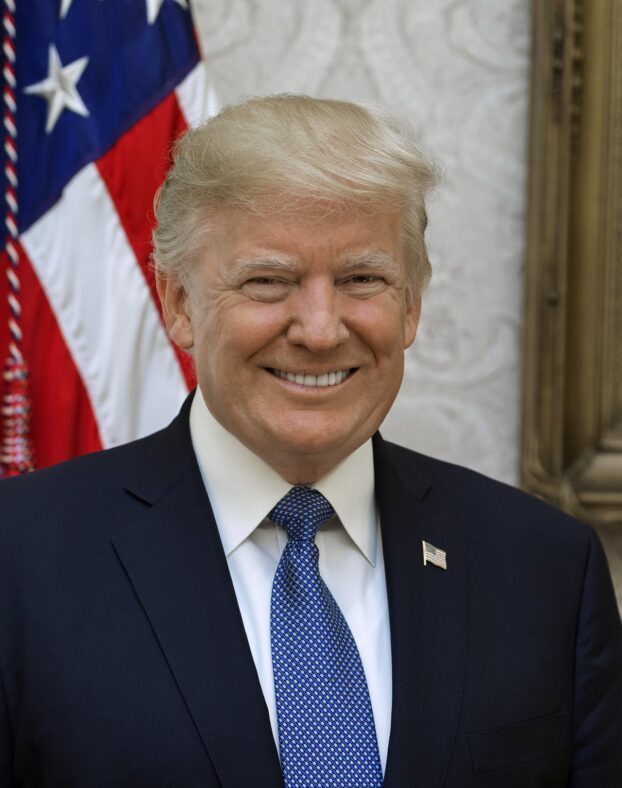
Shealeah Craighead/Wikimedia Commons
President Donald Trump’s recent remarks about renaming iconic landmarks have reignited a national conversation over the power and meaning of place names. From suggesting the Strait of Hormuz be called the “Trump Strait” to proposing new names for American lakes and monuments, Trump’s push has stirred both controversy and curiosity. Yet beyond the political noise, there’s a compelling cultural argument for a new wave of renaming—one that celebrates the arts, history, and local heroes in ways that resonate with all Americans.
Why Names Matter in Cultural Spaces
Names are more than just labels—they are gateways to history, identity, and pride. Take the example of the US Open tennis tournament, where matches are played on courts named after cultural icons like Louis Armstrong. For many younger fans, hearing they will watch a match on the “Louis Armstrong Court” sparks curiosity and prompts questions about the legendary jazz musician’s legacy. This practice seamlessly blends sport with cultural education, inviting people to explore the stories behind the names.
In contrast, many American sporting venues and courts remain stuck with generic numbering or compass points, missing an opportunity to engage fans more deeply. Renaming stadium stands or courts after local or national cultural figures could foster a richer connection between communities and their heritage. It transforms a sporting event into a living classroom of culture and history.
President Trump’s Renaming Proposals: Controversy and Opportunity
President Trump’s proposals to rename landmarks such as Lake Ontario to “Lake America” or the vital Strait of Hormuz to the “Trump Strait” have attracted headlines and criticism alike. While some view these moves as self-aggrandizing or politically motivated, they highlight a broader willingness to reconsider how we honor places and history. Trump’s campaign to rename everything may be heavy-handed, but it opens up an important dialogue about the significance of names in public spaces.
Moreover, Trump’s promise of a $5,000 “Trump dividend” tied to Republican midterm victories adds a political dimension to the renaming conversation, underscoring how symbolic acts like renaming can have real-world political weight. This mix of politics and culture challenges Americans to think critically about what and whom they celebrate in their communities.
Bridging Sport and Culture: A National Opportunity
Across the United States, there is an untapped opportunity to bring culture into the mainstream by naming sports venues and facilities after celebrated artists, musicians, writers, and actors. Imagine a football stadium stand named after Maya Angelou or a baseball park honoring jazz legend Duke Ellington. Such gestures could spark family conversations, encourage cultural exploration, and deepen local pride.
This approach is not about insisting every name reflect a direct connection to the sport itself. Louis Armstrong was never a tennis player, yet his stature as a cultural icon and local resident makes the naming meaningful. Similarly, local heroes from Wayne County, Duplin County, and beyond could be honored in ways that celebrate their contributions to American culture and history, enriching the game-day experience.
Examples Worth Considering in North Carolina and Beyond
North Carolina’s rich cultural heritage offers many possibilities for meaningful renaming. For instance, stadiums and arenas could honor figures like jazz musician John Coltrane, author Thomas Wolfe, or even contemporary artists who have shaped the region’s identity. This would not only celebrate local pride but also educate younger generations in a subtle and inspiring way.
Such renaming efforts would also encourage inclusivity, recognizing the wide variety of contributions from diverse communities across the state and nation. Whether it’s a stand named after a pioneering female artist in women’s sports venues or a court honoring a local poet, these symbolic acts bridge gaps between communities’ cultural and sporting lives.
While President Trump’s renaming spree may have sparked debate, the underlying idea of using names to celebrate culture, history, and community deserves serious attention. Embracing this opportunity could transform how Americans connect with their landmarks, their sports, and ultimately, with each other.