Michigan Senate Candidate Abdul El-Sayed Challenges GOP Focus on Culture Wars in Face the Nation Interview
Michigan Democrat Abdul El-Sayed rejects GOP distractions, urging voters to focus on inflation, tariffs, and healthcare in 2026 Senate race.
Conlan Houston/Wikimedia Commons
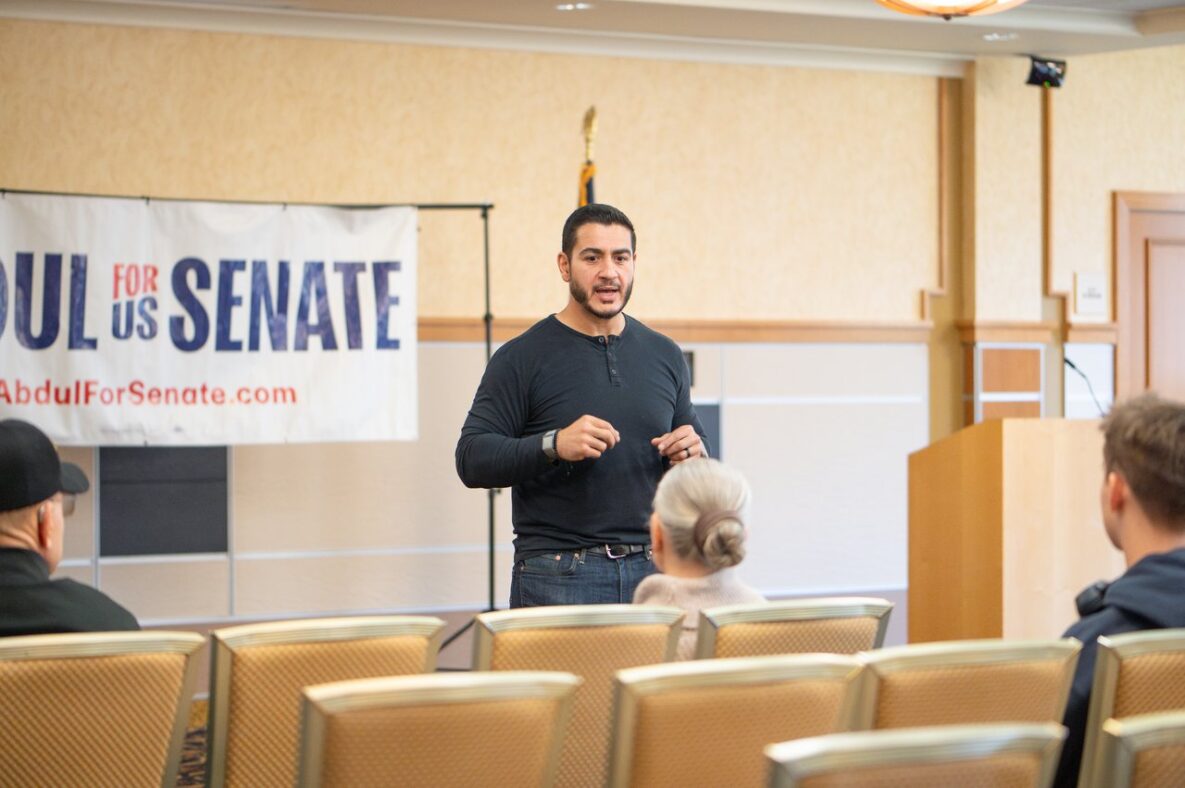
Michigan Senate candidate Dr. Abdul El-Sayed appeared on CBS’s “Face the Nation with Margaret Brennan” on September 13, 2026, addressing Republican attacks on his campaign and the broader political climate. Speaking from Ann Arbor, El-Sayed criticized the GOP for deflecting from pressing economic issues by focusing on his associations and faith, while calling for public oversight on AI and highlighting the impact of current national policies on Michigan families.
Republicans Target El-Sayed Amid Broader Economic Concerns
During the interview, El-Sayed responded to the spotlight placed on him by Republican leaders, including Speaker Mike Johnson, who accused Democrats like El-Sayed of enabling extreme left-wing agendas. El-Sayed countered by labeling the “barbarian” as being in the White House, referring to President Donald Trump’s administration and its policies. He criticized the GOP convention for ignoring critical issues such as rising gas and grocery prices, tariffs, and the ongoing conflict with Iran—factors he said are burdening Michigan families by thousands of dollars annually.
He emphasized that Republicans are using his name and background as a distraction from policies driving inflation and economic hardship, stating, “They’re doing that so that you don’t pay attention to the fact that you are being nickeled and dimed by the barbarian in the White House and by a set of public policies that are not in your interest, but in his.”
Addressing GOP Attacks and the Piker Controversy
El-Sayed was also questioned about his relationship with Hasan Piker, a controversial Twitch streamer frequently cited by his Republican opponent, Mike Rogers, as El-Sayed’s “running mate.” The Michigan Democrat rejected this characterization, noting that Senate candidates run independently to represent their state’s voters. He accused Rogers of evading discussion on key economic issues and instead resorting to distractions tied to El-Sayed’s campaign connections.
When pressed on concerns from Jewish voters about Piker’s rhetoric and El-Sayed’s refusal to directly condemn it, he reframed the conversation, urging a focus on tangible issues affecting Michiganders like healthcare access, environmental quality, and affordability. “I’m not interested in having a conversation about streamers in California,” El-Sayed said. “I’m more interested in having a conversation about tariff policies and trade wars we shouldn’t be fighting, about hot wars with Iran, about AI.”
Public Oversight on AI and Economic Justice
El-Sayed also highlighted the importance of public oversight regarding artificial intelligence, warning that without it, AI could disproportionately serve the interests of a privileged few rather than the broader public. He linked this concern to his campaign’s broader platform of economic justice and equitable access to resources.
He criticized the Trump administration’s handling of economic and foreign policy, arguing that these actions have tangible negative effects on average Americans, especially in battleground states like Michigan. El-Sayed urged voters to look beyond culture war distractions and focus on real issues impacting their daily lives.
The 2026 Michigan Senate Race in a Divided Political Landscape
The interview underscored the fierce political contest unfolding in Michigan ahead of the November 2026 midterms. With Republicans controlling the White House, Senate, and House, and President Trump actively engaging in down-ballot races, Democrats like El-Sayed face uphill battles as they challenge GOP incumbents like Mike Rogers.
El-Sayed positioned himself as a candidate focused on affordability, healthcare, and responsible technology policy, directly confronting the dominant Republican narrative. His refusal to engage in what he described as culture war distractions signals a campaign strategy centered on economic issues and voter concerns over inflation and healthcare access.
As Michigan voters prepare to head to the polls, El-Sayed’s message frames the choice as one between addressing immediate economic hardships and continuing under policies he argues have favored elite interests at the expense of average families.