Eastern North Carolina Faces Dangerously Low Water Levels Amid Worsening Drought
Critically low water levels in lakes and reservoirs prompt stricter restrictions and impact agriculture across the region as exceptional drought conditions persist.
[2Ni]/Unsplash
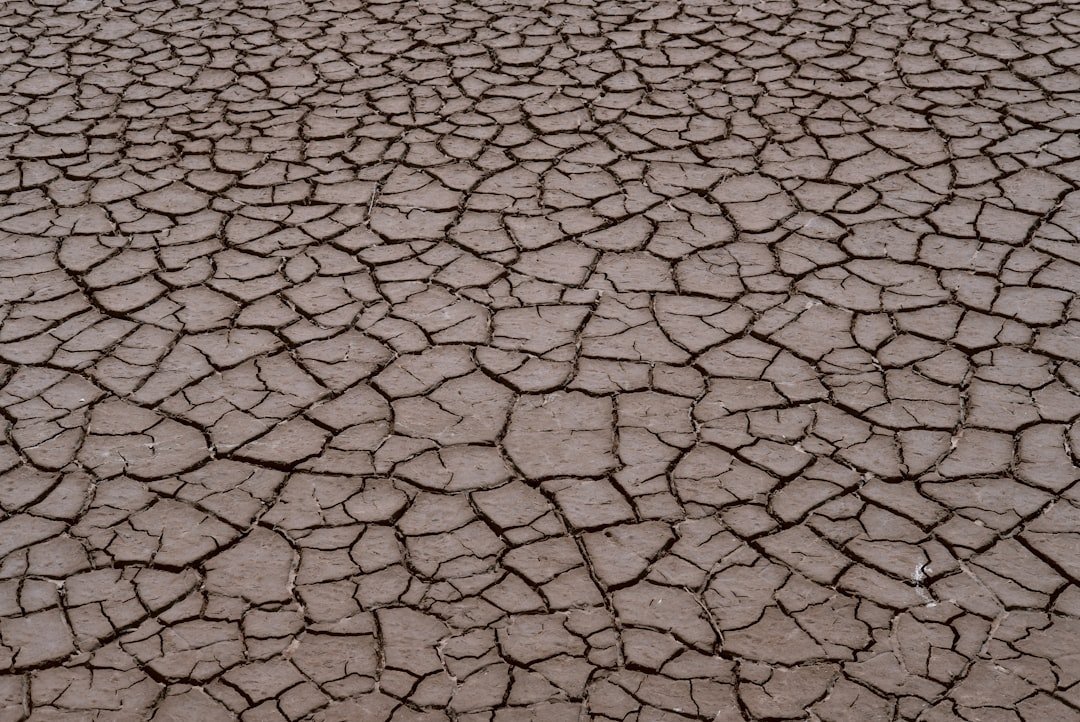
Eastern North Carolina is experiencing critically low water levels as a persistent drought grips the region, leading to increased water restrictions and impacting agriculture. Several areas, including parts of the Triangle, are now classified under “exceptional drought,” the most severe category.
Falls Lake, a primary water source for Raleigh, has dropped to under 70% of its normal water level, a significant decrease from mid-April when it was at 85%. As of this week, Falls Lake is approximately 5 feet below normal. Similarly, Jordan Lake is showing more exposed shoreline than usual. In Durham, reservoirs like Lake Michie and Little River Reservoir have also seen significant drops due to limited rainfall, warm temperatures, and increased water demand.
The drought’s severity has prompted stricter water conservation measures across the region. Starting June 15, Durham will implement Stage 2 water shortage responses, prohibiting spray irrigation, limiting car washing to commercial facilities, and asking large water users to reduce consumption by 30%. Raleigh and the Orange Water and Sewer Authority are also enforcing water restrictions. Chatham County’s TriRiver Water customers in the North District will face restrictions beginning June 15. Officials warn that violations could lead to enforcement actions.
The lack of rainfall has had a considerable impact on North Carolina’s agriculture. Farmers are reporting that corn leaves are rolling and twisting as crops struggle to retain moisture. Those unable to irrigate are facing significant challenges, and hay fields and pastures are not growing as expected, affecting cattle producers. Hay yields are reportedly fractions of what they should be, forcing some cattle farmers to reduce their herds.
The dry conditions have also heightened wildfire risks across the state. In Hyde County, a wildfire ignited on the coast burned over 450 acres and was only 20% contained.
Groundwater levels in many parts of North Carolina are near record lows, with some areas showing deficits of over 15 inches from normal since the drought began in August. Hydrogeologists note that the lack of rain is preventing groundwater recharge, which in turn affects stream flow.
Meteorologists indicate that 12 to 14 inches of rain would be needed across the entire area to end the drought within a month. While some scattered thunderstorms are possible, they are unlikely to alleviate the prolonged rainfall deficit. Temperatures are expected to remain high, with highs in the 90s and potentially reaching 100 degrees Fahrenheit.
The current drought situation is being compared to the dry periods experienced in 2007-2008 and 2008-2011, with officials noting that sustained periods of significant rainfall are necessary to improve conditions.