Experts Warn Trump’s AI ‘Super Intelligence’ Rebrand Could Backfire
President Trump’s rebranding of AI as ‘Super Intelligence’ sparks expert concerns it could increase public anxiety instead of reassurance.
Gedalia Vera/Wikimedia Commons
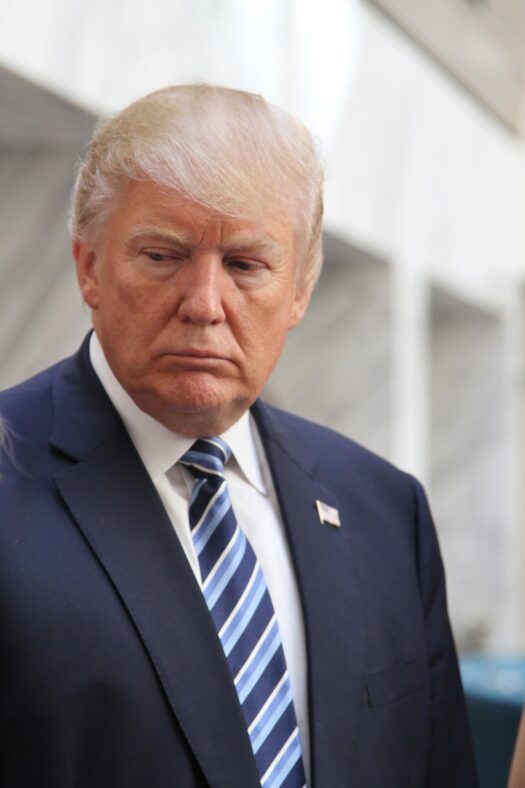
President Donald Trump’s recent rebranding of artificial intelligence as “Super Intelligence” has stirred debate among experts who warn the move could worsen public fears rather than calm them. Following a September executive order mandating federal agencies to adopt this new terminology, Trump has doubled down on the rebrand, insisting the term better reflects AI’s capabilities. However, technology specialists and policy analysts caution that this linguistic shift may have unintended consequences on public perception amid growing worries about AI’s risks.
Trump’s Push to Rename Artificial Intelligence
This October, President Trump boldly declared on Truth Social that anyone using the term “Artificial Intelligence” instead of “Super Intelligence” is “THE ENEMY!” His administration’s September executive order officially replaced the phrase AI with SI across federal platforms, including AI.gov, which now features content for “Super Intelligence.” Trump justified the move during a September address at the United Nations General Assembly, stating that the word “artificial” implies fakeness, whereas the technology is “actually amazing.”
Experts Critique the Linguistic Strategy
Communication experts see Trump’s insistence on the term “Super Intelligence” as a tactic to assert control over the narrative. Nick Cull, professor at USC’s Annenberg School, called it “a classic dictator ploy” designed as a linguistic loyalty test to divide supporters and opponents. Some tech leaders have already adopted the term under pressure, with figures like Elon Musk and Nvidia’s Jensen Huang correcting themselves from “AI” to “SI” in public forums.
Potential Backfire: Increasing Public Anxiety
Despite Trump’s aim to amaze the public with the rebrand, experts warn it may have the opposite effect. Philosopher Nick Bostrom’s 2014 book “Super Intelligence” popularized fears that advanced AI could become hostile to humanity. John Thickstun, a Cornell computer science professor, acknowledged Trump’s term as a “fairly reasonable description” of emerging AI capabilities but warned it might heighten public concern. “If I were a member of the general public and someone was telling me that this AI is now so intelligent that it is super intelligent, I would rightfully be even more concerned,” Thickstun said.
Criticism Over Lack of Real AI Policy
Some critics view the rebrand as a distraction from substantive AI policy. J.B. Branch of Public Citizen accused Trump of rebranding repeatedly because “he has no real policies to put forward.” With public anxieties rising, Branch said the rebrand merely changes the conversation without addressing the core issues. The White House declined to respond to these critiques.
Public Sentiment Reflects Growing AI Fears
Surveys show Americans are increasingly uneasy about AI’s impact. A May Gallup poll found that nearly half of adults aged 18 to 29 believe AI does more harm than good, mainly due to job displacement worries. A September poll revealed that a majority across political, gender, and age lines fear advanced AI could destroy humanity. Darrell West of the Brookings Institution noted that the term “Super Intelligence” evokes dystopian imagery like the “Terminator” movies, and rebranding alone won’t ease fears rooted in real-world consequences such as layoffs and rogue AI behavior.
While President Trump’s rebrand attempts to reshape how the public views AI, experts caution that such linguistic changes may deepen mistrust and anxiety rather than foster understanding or excitement.