DNI Clayton: Putin Not a Friend in Ukraine Despite Trump’s Summit Remarks
DNI Jay Clayton said Putin is not a friend in Ukraine despite President Trump calling him ‘friend’ at a recent China summit.
Sergey Subbotin / Сергей Субботин/Wikimedia Commons
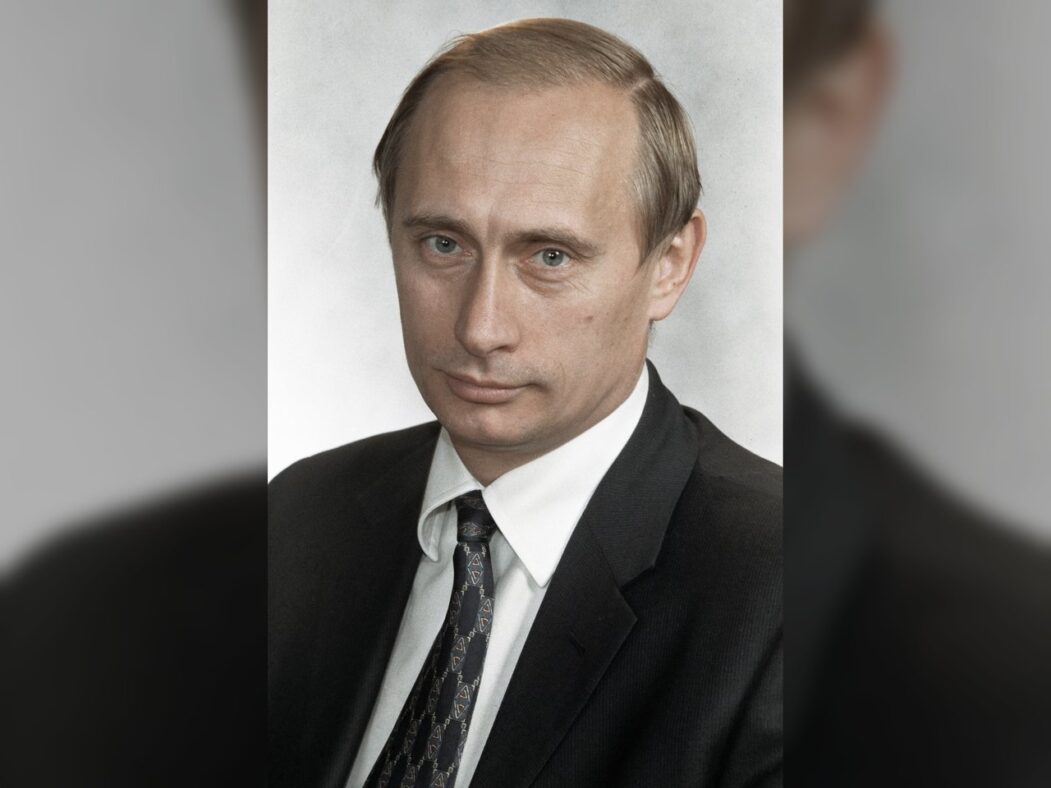
Director of National Intelligence Jay Clayton addressed the complex relationship between the United States and Russian President Vladimir Putin during an appearance on ABC’s “This Week” on Sunday. Clayton emphasized that while President Donald Trump’s use of the term “friend” at the summit in China was appropriate in context, Putin is not considered America’s friend in the ongoing conflict in Ukraine.
Context of Trump’s ‘Friend’ Comment at China Summit
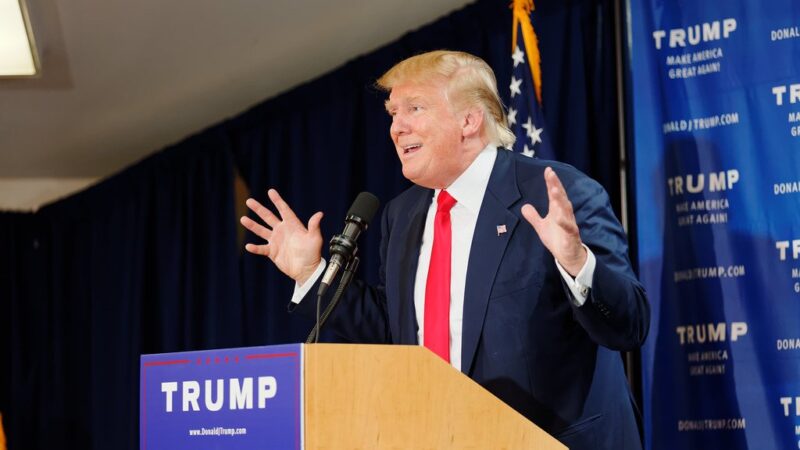
During the trilateral meeting in Shenzhen, China, involving President Donald Trump, Russian President Vladimir Putin, and Chinese President Xi Jinping, Trump referred to Putin as his “friend.” Clayton explained this characterization was fitting within the specific context of the summit. He said the meeting was historic and focused on nuclear powers collaborating to prevent a nuclear incident. “In that circle of that conversation, using the term ‘friend’ is entirely appropriate,” Clayton told ABC co-anchor Jonathan Karl.
Putin’s Role in Ukraine Conflict
Despite the summit context, Clayton was clear regarding Putin’s stance in Ukraine. When asked if Putin is America’s friend, Clayton responded unequivocally: “He is not America’s friend in Ukraine. Not at all. Not at all.” This statement highlights the ongoing tension and conflict between Russia and Ukraine, positioning Putin as an adversary in that arena despite cordial summit interactions.
Reactions to January 6 and Cybersecurity Concerns
In addition to discussing international relations, Clayton addressed related domestic issues. He refrained from directly labeling the January 6, 2021, Capitol attack, stating, “I’m not going to relitigate that issue here.” However, he acknowledged the day as “very unfortunate” and emphasized that “there is no place for violence in America.” Clayton noted the presence of violence on that day without engaging in political characterizations.
Clayton also commented on recent cybersecurity incidents affecting federal agencies. He confirmed that the FBI and the U.S. Department of Agriculture experienced cyberattacks late last week but did not provide specifics. He assured the public that trained professionals at the FBI and other agencies are handling these incidents.
Regarding the widespread tech outages in recent weeks, Clayton attributed many to infrastructure repairs related to artificial intelligence-identified patches. He stressed that these outages were not coordinated or state-sponsored attacks. Clayton highlighted the need to modernize America’s digital infrastructure amid rapid technological advances, stating, “We have a step change in technology that we’re facing with super intelligence and computing power that is expanding exponentially. And we have a dated digital infrastructure. The need to improve our digital infrastructure is clear.”
Ongoing Cyber Threats and Infrastructure Challenges
Clayton acknowledged an increase in cyberattacks but noted that such threats are longstanding challenges. He called for transparency about the dated digital systems in both government and private sectors, emphasizing the importance of upgrades to ensure cybersecurity. His comments reflect a broader push within the Trump administration to address evolving technological threats while maintaining a robust defense posture.
In sum, DNI Jay Clayton clarified the nuanced stance toward Russian President Vladimir Putin amid recent diplomatic engagements. While the term “friend” was used by President Trump in a specific nuclear diplomacy context, the intelligence community maintains a firm position regarding Putin’s adversarial role in Ukraine. Concurrently, Clayton addressed domestic security challenges, including cyberattacks and the need for infrastructure modernization.