First Kenyan-Born NFL Player Daniel Adongo Deported by ICE in June 2026
Daniel Adongo, the first Kenyan NFL player, was deported by ICE last month over visa issues and past arrests.
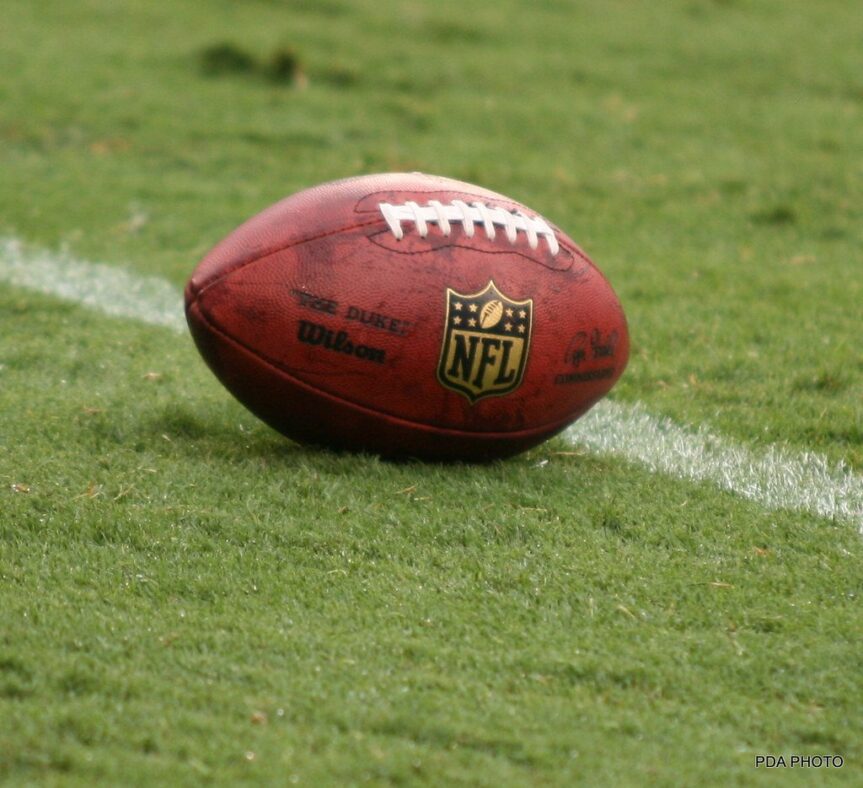
PDA.PHOTO/Flickr
Daniel Ogama Adongo, the first Kenyan-born player in the National Football League (NFL), was deported from the United States on June 20, 2026, following a visa overstay and a series of legal troubles, U.S. Immigration and Customs Enforcement (ICE) confirmed in a statement Saturday. Adongo’s removal marks a rare and notable instance of a former professional athlete being deported under immigration violations.
Background on Daniel Adongo’s NFL and Rugby Career
Adongo, 37, first made headlines when the Indianapolis Colts signed him in 2013, transitioning from a successful rugby career in Kenya to become the first Kenyan-born player to compete in the NFL. His professional football career was brief, lasting only until 2015, after which he remained in the U.S. on a visa that ICE says he overstayed beginning in 2016. Before football, Adongo had built a reputation as a rugby star, but his NFL journey was marked by challenges on and off the field.
Legal Issues and Mental Health Concerns
ICE cited not only Adongo’s visa violation but also a history of arrests that contributed to his deportation. Court records reviewed by local media reveal multiple incidents involving Adongo, including a 2020 conviction for criminal mischief, a misdemeanor for which he was sentenced to nearly a year in jail, ultimately serving six months. Other charges—such as felony intimidation, battery, and disorderly conduct—were dismissed. Notably, some of his recent charges fell under the Laken Riley Act, which mandates ICE detention for undocumented immigrants arrested or charged with certain crimes like burglary and theft.
Adongo’s defense attorneys and mental health professionals have highlighted his struggles with mental illness, possibly linked to traumatic brain injury sustained during his rugby and football careers. A 2020 medical report described him as “acutely psychotic with traumatic brain injury,” and a social worker speculated he might suffer from Chronic Traumatic Encephalopathy (CTE), a progressive brain condition associated with repeated head trauma. However, DHS and ICE have not publicly addressed these mental health claims.
ICE’s Statement and Community Impact
Douglas Thompson, Assistant Field Office Director for ICE Chicago, emphasized the agency’s stance on enforcing immigration laws equally. “This dangerous individual was clearly a threat to the community, which is now safer since he’s been removed,” Thompson said in the statement. The agency underscored that violating immigration laws results in accountability regardless of one’s background, including former professional athletes.
The deportation has sparked discussion about the treatment of immigrant athletes and the intersection of immigration enforcement with mental health issues. While Adongo’s legal troubles weighed heavily in ICE’s decision, advocates question whether his mental state and possible brain injury-related illnesses were adequately considered.
Broader Context: CTE and Athlete Welfare
CTE has become a growing concern in contact sports, particularly football. The NFL acknowledged the link between repeated head trauma and CTE in 2016, but diagnosis remains post-mortem. According to a 2026 survey, about one-third of former NFL players suspect they suffer from symptoms consistent with the disease. Adongo’s case adds a poignant example of how brain injuries may complicate life after sports, especially for immigrant athletes navigating legal and health challenges.
Daniel Adongo’s deportation highlights complex issues where immigration policy, criminal justice, and athlete health intersect. His story raises questions about how mental health and traumatic brain injuries are factored into immigration enforcement decisions, particularly for vulnerable populations with high-profile backgrounds.