Gorsuch Joins Sotomayor in Raising Concerns Over Police Power in Vehicle Forfeiture Case
Justices Neil Gorsuch and Sonia Sotomayor express shared concerns about police power after court denies review of Chicago vehicle forfeiture case.
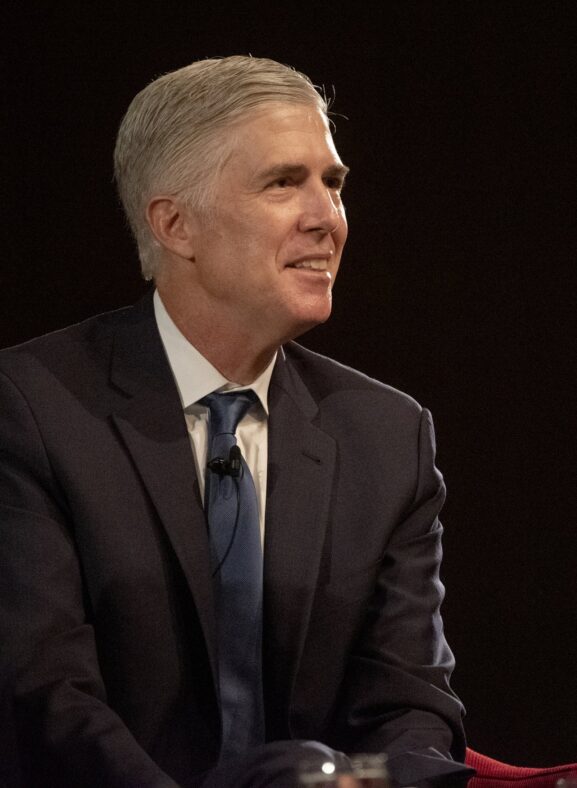
LBJ Library/Wikimedia Commons
The U.S. Supreme Court recently declined to review a contentious case involving Chicago’s policy of impounding and selling vehicles over unpaid parking tickets, with Justices Sonia Sotomayor and Neil Gorsuch jointly expressing serious concerns about the scope of police power in such actions.
Background of O’Donnell v. City of Chicago
The case, O’Donnell v. City of Chicago, challenges the city’s practice of impounding and selling a driver’s car after two unpaid parking tickets, then keeping the proceeds without offsetting the original ticket debt or refunding any surplus. Petitioners Ryan O’Donnell and Michael Goree argued that this policy violates the Fifth Amendment’s Takings Clause, which prohibits the government from taking private property without just compensation.
O’Donnell had three minor parking tickets and lost his vehicle when he could not pay the fines. Goree’s vehicle was impounded due to outstanding ticket debt by a co-signer on a different vehicle, despite Goree himself having no tickets. The petition highlighted that Chicago does not sell vehicles at fair market value nor apply proceeds to extinguish the lien, instead retaining the funds. Petitioners described the policy as “devastating and counterproductive,” noting that owners often lose their primary asset and transportation means while still bearing fees and debts.
Supreme Court’s Response and Justices’ Concerns
The Court denied review of the case, with a statement respecting the denial of certiorari from liberal Justice Sonia Sotomayor and conservative Justice Neil Gorsuch jointly addressing the issue. Sotomayor wrote, “I have serious concerns about that conclusion, which implicates a Circuit split over whether, and under what circumstances, exercises of the State’s police power are immune to takings claims.” She noted that the ongoing split among federal circuits would benefit from further examination but that this case was not the ideal vehicle to resolve it.
Gorsuch joined Sotomayor’s statement, signaling bipartisan concern about the implications of police power in these matters. Sotomayor emphasized courts should “carefully and narrowly define the circumstances in which the State’s exercise of its police powers are held exempt from the just compensation requirement, as well as explain the source of any such exemption.” She warned against allowing deference to state police powers to overshadow constitutional rights.
Legal Arguments and Circuit Court Rulings
The Seventh Circuit previously upheld Chicago’s policy as consistent with the Takings Clause, reasoning it falls within police power to enforce traffic laws. Chicago’s lawyers argued the case was poor for addressing the Takings Clause and law enforcement authority relationship, noting the petitioners filed a facial challenge, which requires invalidating the ordinance in all applications—a high legal bar they asserted was not met.
The Takings Clause, part of the Fifth Amendment, ensures private property cannot be taken for public use without just compensation. The Court in Armstrong v. United States (1960) described this clause as protecting individuals from shouldering public burdens alone.
What Lies Ahead for Police Power and Takings Claims
Sotomayor indicated the Court may need to address these issues in future cases, though no immediate plans are clear. The Court will continue hearing other significant cases this term. The split among federal circuits on the immunity of police power from takings claims remains a critical legal question requiring further clarification.
For now, the denial to hear O’Donnell v. City of Chicago leaves the contentious practice intact but shines a spotlight on the growing judicial concern over balancing law enforcement authority with constitutional protections.
The outcome underscores ongoing debates about the extent of police power and the protection of private property rights under the Constitution.