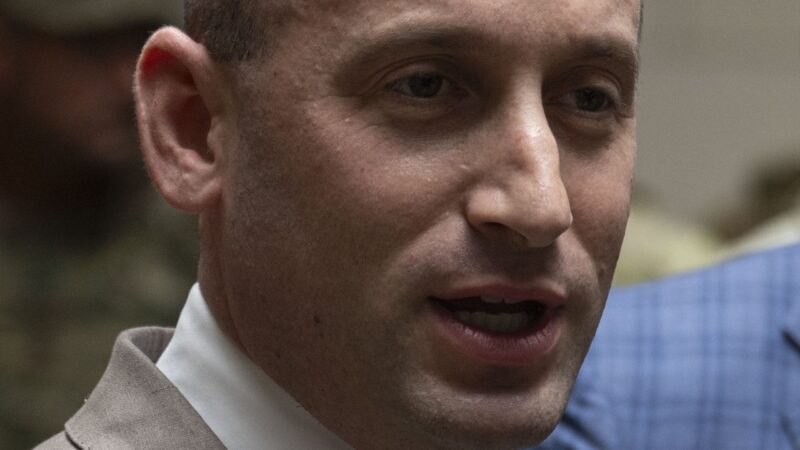
Homan Defends ICE Crackdown Amid Rising Criticism: ‘Give Me an Example Where We Went Too Far’
Thomas Homan defends ICE’s aggressive immigration enforcement during recent remarks, challenging critics to cite examples of overreach.
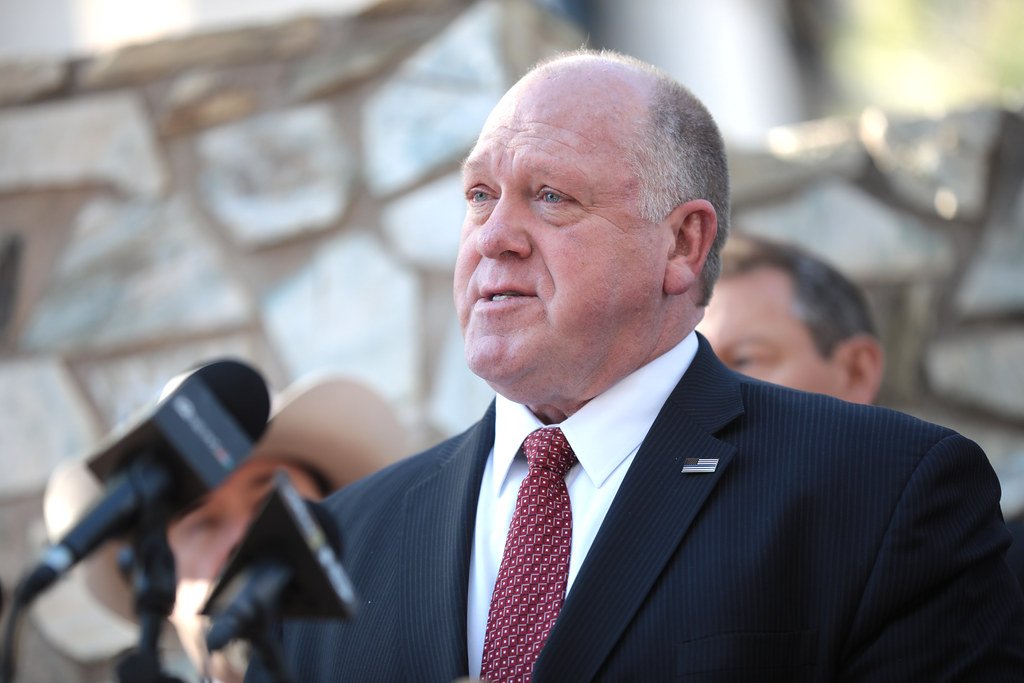
Gage Skidmore/Flickr
Thomas Homan, former acting director of U.S. Immigration and Customs Enforcement (ICE), doubled down on the agency’s recent immigration enforcement actions during a public forum held in Raleigh, North Carolina, on October 1, 2026. Amid growing controversy and criticism over ICE’s crackdown on undocumented immigrants, Homan challenged opponents to provide concrete examples of where the agency has exceeded its authority or acted unjustly.
Homan’s Defense of ICE Enforcement Policies
Speaking before a packed audience of local officials, law enforcement representatives, and community members, Homan emphasized the importance of upholding immigration laws to protect national security and public safety. “Give me an example of where we went too far,” Homan said in response to questions about allegations of ICE abuse and overreach. “We are enforcing the law, plain and simple.”
Homan pointed to recent ICE operations across multiple states, including North Carolina and neighboring regions, aimed at apprehending individuals with criminal records or those who have overstayed visas. He stated that these actions reflect a commitment to President Donald Trump’s administration’s priorities of border security and interior enforcement.
Growing Criticism and Community Concerns
Despite Homan’s staunch defense, ICE’s intensified enforcement has drawn sharp criticism from immigrant advocacy groups, local leaders, and civil rights organizations. Critics argue that the crackdown has led to family separations, community fear, and disruptions in local economies, especially in agricultural and service sectors prevalent in Wayne and Duplin counties.
Maria Gonzalez, a spokesperson for the North Carolina Immigrant Rights Project, said, “Communities are living in fear. ICE’s tactics have created a climate of intimidation that hurts families and undermines trust between law enforcement and residents.”
Some local officials have called for increased oversight and transparency regarding ICE operations to ensure constitutional protections are respected. However, Homan dismissed these concerns as politically motivated efforts to hinder law enforcement.
ICE’s Role Under the Trump Administration
Since President Donald Trump’s inauguration for his second term in January 2025, ICE has intensified its focus on removing undocumented immigrants, especially those with criminal convictions. The administration’s hardline immigration stance aligns with broader Republican control of Congress and the White House, reinforcing policies aimed at strengthening border and interior enforcement.
Homan, who served as acting ICE director from 2017 to 2019, has remained an influential voice in immigration policy circles. His recent public remarks underscore the administration’s continued commitment to aggressive immigration enforcement despite widespread debate over its social and economic impacts.
Balancing Enforcement and Community Relations
As ICE operations continue in North Carolina and nationwide, local leaders face the challenge of balancing immigration enforcement with maintaining community cohesion. Law enforcement agencies often coordinate with ICE, but many cities and counties have adopted policies to protect immigrant residents from federal immigration actions.
Experts note that successful integration and public safety require cooperation built on trust rather than fear. “Effective policing and immigration enforcement must respect civil rights and community values,” said Dr. Laura Kim, a sociologist specializing in immigration studies at the University of North Carolina.
While Homan insists on the necessity of stringent enforcement, the ongoing debate reflects broader national tensions over immigration policy as the Trump administration approaches its midterm milestones. Whether ICE’s approach will evolve or remain steadfast remains to be seen, but for now, Homan is unapologetic in his defense of the agency’s tactics.