Inflation Surges in September, Highlighting Economic Struggles Under Trump
September’s inflation report shows sharp price increases and falling wages, underscoring economic challenges during Trump’s second term.
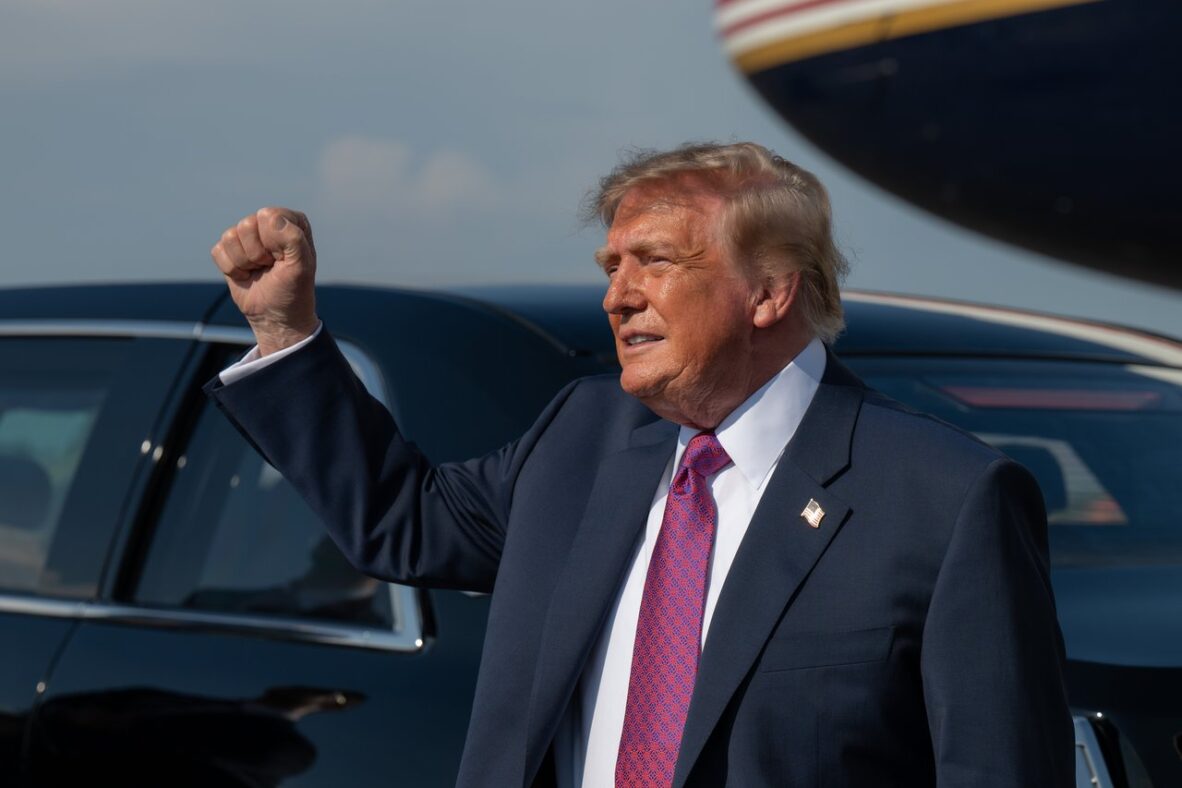
NASA/John Kraus/NASA
A new Consumer Price Index report released today by the Department of Labor reveals that inflation continues to worsen under President Donald Trump’s second term, with prices rising sharply in September and significantly outpacing wage growth. These developments highlight the growing economic difficulties faced by Americans as key costs surge while paychecks stagnate.
Sharp Price Increases Mark September
The Department of Labor’s report shows that consumer prices jumped by 0.6 percent in September, marking the highest monthly increase in several months. Overall, prices are now 3.7 percent higher than they were last year, illustrating persistent inflationary pressures. This rise in prices is particularly pronounced in critical sectors, directly impacting daily expenses for millions of Americans.
Energy Costs Drive Inflation Higher
Fuel prices led the inflation surge last month, with gasoline prices increasing by 9.1 percent and fuel oil costs climbing 15.3 percent. Fuel oil saw its largest increase since March, a time linked to the start of the ongoing Iran war. Together, these energy costs accounted for nearly half of the total price increase in September, putting additional strain on household budgets amid already difficult circumstances.
Wages Fail to Keep Up With Rising Costs
Despite soaring prices, wages have not risen to meet the increased cost of living. In fact, hourly wages fell by 0.5 percent in August and are down 0.7 percent compared to last year. This effectively places wage levels back to where they were when Trump first took office, meaning most Americans are earning no more than they did years ago while facing higher expenses.
Political Reactions and Economic Policy Concerns
The Trump administration’s response to the economic crisis has been criticized as inadequate. The White House’s June social media message, “TRUST IN TRUMP,” promised that the situation would improve without offering concrete solutions. Since then, escalations in Iran and ongoing political distractions have overshadowed efforts to address inflation. Calls for further strike packages in Iran and a reliance on vague reassurances like “Trust the process,” posted recently by the White House, have done little to calm public concerns.
The Federal Reserve’s Role and Future Outlook
Financial analysts expect the Federal Reserve to consider raising interest rates again at its meeting late this month, aiming to curb inflation by discouraging consumer spending. However, increasing interest rates will also make borrowing more expensive, creating additional challenges for households and businesses. As prices continue to climb, the economic numbers that Americans dread are rising, while those they hope for remain stagnant or decline — a troubling trend that shows no sign of reversing during President Trump’s second term.
In summary, the September inflation report starkly illustrates the economic difficulties confronting the nation. With energy costs surging, wages falling behind, and uncertain political leadership, many Americans face an increasingly challenging financial landscape.